


Nā Pākuʻi Paʻa Māmā | Nā ʻĀpana Hoʻohuʻi Kiʻekiʻe no ka Kelepona Kelepona


NA PALAPALA HUA
wehewehe
Introduce of Redispersible Polymer Powder RDP/VAE for Construction Tile Adhesive
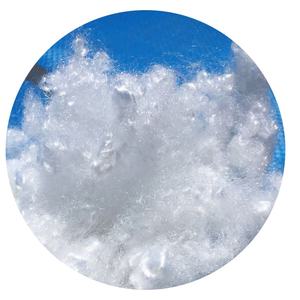
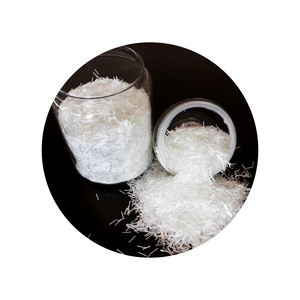
Ka pauda polimer hiki ke wehe hou (RDP), ʻike ʻia hoʻi he pauka latex redispersible, he polimer pauda i hana ʻia e ka hoʻomaloʻo ʻana o ka polimer emulsion. Hiki ke hoʻopuehu hou ʻia kēia pauka e hana i ka emulsion paʻa ma hope o ka hoʻopili ʻana i ka wai. Hoʻohana nui ʻia ia i nā mea hana kemika e like me nā mortar dry-mix, nā mea hoʻopili tile, hamo hamo, a me nā mea papahele hoʻonanea ponoʻī e hoʻonui i ka pili, ka wai ʻole, a me ka hikiwawe a me ka lōʻihi.
Features of Redispersible Polymer Powder RDP/VAE for Construction Tile Adhesive
Hoʻonui i ka ikaika pili: Hoʻomaikaʻi nui i ka ikaika hoʻopaʻa ma waena o ka mortar a me nā mea kumu ʻē aʻe, e hoemi ana i ka hollowing a me ka haule ana.
E hoʻomaikaʻi i ka maʻalahi: Hāʻawi i nā mea hana sima i ʻoi aku ka maikaʻi o ka hoʻopololei a me ka pale ʻana i ka māwae, pale pono i ka pohā i hoʻololi ʻia e ka wela a me ka haʻalulu.
E hoʻomaikaʻi i ka lōʻihi: Hoʻonui i ka impermeability o ka mea, ʻO ke kūpaʻa manuahi-thaw a me ka pale ʻana i ka corrosion kemika e hoʻolōʻihi i kona ola lawelawe.
Hana maʻalahi: E hoʻomaikaʻi i ka plasticity a me ka manawa wehe o ka mortar e hoʻomaʻamaʻa i nā hana kūkulu a me nā hoʻoponopono.
Palekana kaiapuni: ʻaʻohe hoʻoheheʻe ʻana, hoʻokō i nā koi palekana kaiapuni, a kūpono no ke kūkulu hale ʻōmaʻomaʻo.
Hoʻopili maikaʻi: Hoʻohālikelike me nā ʻano mea hana sima a hiki ke hoʻohana nui ʻia i nā ʻano mea hale.
Specification of Redispersible Polymer Powder RDP/VAE for Construction Tile Adhesive
Redispersible Polymer Powder RDP/VAE for Tile Adhesive
He aha ia
This item is a white, free-flowing powder made from vinyl acetate and ethylene (WAWAE). It liquifies in water to create a steady polymer film. Builders blend it right into dry ceramic tile adhesive solutions to enhance performance.
Pōmaikaʻi hoʻopunipuni
ʻOi aku ka pilina ikaika— The powder helps the sticky stick much better to floor tiles and walls. This minimizes the threat of tiles falling off with time.
Better flexibility— It includes flexibility to the solidified adhesive. This allows the bond take care of small movements without fracturing.
Kūleʻa wai— Ke hoolaia, the glue withstands moisture much better. This makes it perfect for restrooms, nā wahi kīhini, and exterior areas.
ʻOi aku ka paʻakikī o ka hana— The powder improves just how the mix feels during application. It spreads out smoothly and remains in place without sagging.
Pehea e hoʻohana pono ai
E hoʻohui pololei i ka pauka i kāu hui maloʻo loa. Nā papa helu maʻamau mai 1% i 5% ma ke kaumaha o nā mea paʻa holoʻokoʻa. E hui pono me ka sima, one, a me nā ʻano mea like ʻole. After that add water as usual and mix till you obtain a consistent paste. Let the blend remainder for a couple of mins before usage to ensure full redispersion.
Waihona & Ka lawelawe ʻana
E mālama i ka pauka i kahi nui, wahi maloʻo loa. Store it in sealed bags or containers to avoid dampness. Use within one year of production. Wear handwear covers and a mask when dealing with to prevent skin or eye call and breathing.
Nā Manaʻo Kūikawā
– Kiʻekiʻe kiʻiʻoniʻoni-hana pae wela: a puni 0 ° C.
– Ke koena ma ka kānana (0.315 mm): ≤ 0.1%.
– ʻAno nui: 450– 600 g/L.
– ʻAno lehu: 10– 15%.
This RDP/VAE powder meets industry standards for top quality and uniformity. It works well in both common and superior floor tile adhesives.
Applications of Redispersible Polymer Powder RDP/VAE for Construction Tile Adhesive
Ka pauda polimer hiki ke wehe hou (RDP/VAE) in Ceramic Tile Adhesives
ʻOi aku ka mana ikaika, ʻOi aku ka maikaʻi o ka hana
ʻO ka pauka polymer hiki ke hoʻokuʻu ʻia (RDP), especially VAE-based kinds, plays a crucial function in contemporary floor tile adhesives. When blended with cement and other components, it forms an adaptable and durable movie after drying. This movie aids the glue stick securely to both the floor tile and the wall or floor surface area.
ʻOi aku ka maikaʻi o ka pilina means floor tiles remain in location longer. The polymer fills up little voids and produces a continual layer that resists anxiety from temperature level changes or constructing motion. Me ka ʻole o RDP, common cement-based adhesives can come to be weak and fracture with time.
Kūleʻa wai a me ka hana
Adding RDP enhances water resistance. This is important in wet areas like shower rooms and kitchen areas. The polymer minimizes water absorption, which helps avoid damage to the adhesive layer and quits floor tiles from loosening up.
The powder additionally makes the sticky less complicated to deal with. It enhances open time– the duration throughout which installers can adjust tile placement after putting them. This leads to cleaner, more exact setups with fewer blunders.
Flexibility and Durability
Ceramic tiles increase and agreement a little due to humidity and warmth. RDP offers the sticky sufficient flexibility to deal with these tiny motions without breaking the bond. This decreases the danger of hollow sounds, fractured cement, or loose floor tiles later.
Eia kekahi, RDP boosts the total sturdiness of the adhesive. It stands up to repeated tension much better than ordinary concrete mixtures. That’s why high-grade ceramic tile adhesives for floors, large-format ceramic tiles, or outside use generally consist of redispersible polymer powder.
Producers pick VAE-based RDP for its balanced performance– it offers great attachment, hiki ke hoʻololi, and compatibility with typical building and construction materials like ceramic, porcelain, and concrete backer boards.
Hoʻolauna Hui
Welina mai iā Concrete and More, he mea hoʻolako alakaʻi i nā mea hoʻohui ʻia i ka hana kiʻekiʻe, me kā mākou mea hoʻohaʻahaʻa wai koneki. Me nā makahiki o ka ʻike ma ka mākeke honua, hāʻawi mākou i nā hoʻonā holomua i hoʻolālā ʻia e hoʻomaikaʻi i ka maikaʻi a me ka pono o nā hana kūkulu honua. ʻO kā mākou mau hale hana hou e hōʻoia i nā huahana kiʻekiʻe e kū ana i nā kūlana honua. Haʻaheo mākou iā mākou iho i ka lawelawe kūʻai kūʻokoʻa, kākoʻo ʻenehana, a me nā hāʻina kūpono e hoʻokō i nā pono o ka papahana. E hui pū me mākou no ka hilinaʻi, mea hou, a me ke kumu kūʻai hoʻohui koʻikoʻi e alakaʻi i kāu mau papahana i mua. E ʻimi hou aku ma www.concreteandmore.de/. E kūkulu pū kākou i ka wā e hiki mai ana!
Inā he mau nīnau kāu, e ʻoluʻolu e hoʻokaʻaʻike mai iā mākou.
Uku Uku
T/T, Hui Komohana, Paypal, Kāleka ʻaiʻē etc.
Nā ʻano hoʻouna
Ma ka lewa, ma ke kai, ma ka hoike, e like me ke noi a nā mea kūʻai aku.
5 FAQs of Redispersible Polymer Powder RDP/VAE for Construction Tile Adhesive
Nā nīnau i nīnau pinepine ʻia e pili ana i ka pauka polimer redispersible (RDP/VAE) no ke Kile Adhesive
What is RDP/VAE and why is it used in tile adhesive?
RDP/VAE stands for redispersible polymer powder based on vinyl acetate-ethylene. Hoʻohui ʻia i nā mea hoʻopili tile e hoʻomaikaʻi i ka ikaika paʻa, hikiwawe, a me ka pale wai. Me ka ʻole, tiles may loosen or fall off over time.
How does RDP/VAE improve tile adhesive performance?
Ke hui me ka wai, RDP/VAE forms a strong polymer film inside the adhesive. This film helps the adhesive stick better to both the tile and the wall or floor. It also makes the adhesive more flexible, no laila hiki iā ia ke mālama i nā neʻe liʻiliʻi me ka haki ʻole.
Is RDP/VAE safe for indoor use?
ʻAe. RDP/VAE is non-toxic and does not release harmful fumes after curing. It meets international safety standards for construction materials used indoors. Always follow the manufacturer’s instructions during mixing and application.
Can I use less RDP/VAE to save costs?
Reducing the amount of RDP/VAE may lower material cost, but it also weakens the adhesive. Poor bonding can lead to tile failure, which costs more to fix later. Use the recommended dosage to ensure long-term reliability.
How should RDP/VAE be stored?
Store RDP/VAE in a cool, kahi maloʻo ma kahi maʻamau. Keep the bags sealed tightly. Ina pulu ka pauda, it may clump or lose its effectiveness. Use within the shelf life shown on the packaging for best results.
NOI I KA PALAPALA
NA HUAKAI PILI

nā mea hoʻohui kūkulu rdp redispersible polymer pauka rdp pauka vae pauka

Ethylene Vinyl Acetate Redispersible Polymer Powder RDP for Wall Putty Additives Excellent Flexibility

Whole Redispersible Polymer Powder RDP Additive Cement Waterproof Gypsum Powder

Hoʻoikaika ʻia ʻo Fiberglass Fire Resistant 10mm Insulation Blanket Airgel no ke kūkulu ʻana

Hoʻopili no ka Redispersible Polymer Powder RDP VAE Mortar Direct Order
