Lub teeb pob zeb Additives | High-Performance Foaming Agents rau Cellular Concrete

PRODUCT PRAMETERS
Kev piav qhia
Overview of New Cement Material Hooked End Steel Fiber for Concrete Construction UHPC Fibre
Rau kev tiv thaiv siab, peb muab Steel Fibers, ib qho zoo tagnrho hloov rau welded hlau mesh nyob rau hauv industrial floors thiab pre-cast ntsiab. Peb kuj muab cov khoom siv hluavtaws tshwj xeeb uas muaj lub zog tensile siab rau cov ntawv thov. Cov fibers no sib npaug sib faib thoob plaws hauv qhov sib xyaw ua ke, tsim kom muaj ntau qhov kev txhawb nqa network uas cov txheej txheem ib txwm ua tsis tau. Qhov kev sib xyaw ua ke no yooj yim rau kev tsim kho, accelerates qhov chaw, thiab txhim khu lub zuag qhia tag nrho kev ncaj ncees thiab ntev lub neej ntawm cov pob zeb, muab cov lus teb niaj hnub rau cov hnub nyoog tawg thiab cov teeb meem ua haujlwm ntev.
Features of New Cement Material Hooked End Steel Fiber for Concrete Construction UHPC Fibre
1. Superior Crack Control thiab Enhanced Durability:
Qhov tseem ceeb ntawm peb cov fibers yog lawv lub peev xwm los txuas ob qho tib si micro-cracks uas tsim thaum lub sij hawm yas lub xeev thiab cov kab nrib pleb loj dua hauv cov pob zeb tawv tawv.. Qhov no peb-dimensional dispersion tsim ib tug ntau cohesive matrix uas resists tawg propagation. Cov txiaj ntsig ncaj qha yog qhov txo qis hauv ob qho tib si yas shrinkage cracking thiab lub sij hawm ntev tawg dav. Qhov no ua rau lub pob zeb ruaj khov ntau dua nrog qis permeability, uas nyob rau hauv lem txhim khu kev tiv thaiv rau dej ingress, khov-thaw kev puas tsuaj, thiab corrosion ntawm tej embedded steel. Qhov tshwm sim yog cov qauv nrog lub neej ua haujlwm ntev dua thiab txo tus nqi kho.
2. Ua kom muaj kev cuam tshuam thiab Abrasion Resistance:
Fibers, tshwj xeeb tshaj yog hlau thiab muaj zog hluavtaws macro fibers, dramatically txhim kho cov pob zeb toughness thiab kev ua haujlwm tom qab tawg. Lawv nqus thiab faib lub zog thaum cuam tshuam lossis thauj khoom. Qhov no feature muab cov txiaj ntsig ntawm qhov chaw zoo dua qub uas tsis tshua muaj kev cuam tshuam, chipping, thiab abrasion nyob rau hauv hnyav tsheb los yog mechanical hnav. Qhov no yog ib qho tseem ceeb kom zoo dua rau industrial floors, warehouse pavements, thiab tej yaam num infrastructure, ua rau lub ntsej muag tawv tawv uas tuav nws txoj kev ncaj ncees rau lub sijhawm.
3. Kev tsim kho kom zoo thiab txuag nqi:
Ib qho tseem ceeb ntawm kev siv fiber reinforcement yog tshem tawm cov welded hlau mesh (WWF) hauv ntau daim ntawv thov. Qhov no muab cov txiaj ntsig zoo heev ntawm qhov chaw: nws simplifies qhov chaw, vim tsis muaj mesh los teeb tsa lossis muaj peev xwm hloov chaw, thiab nws accelerates tag nrho cov txheej txheem kev tsim kho. Los ntawm kev tshem tawm cov kauj ruam ua haujlwm hnyav, tej yaam num saib txo cov nqi zog thiab kev ncua sij hawm sai. Kev faib tawm tsis sib xws ntawm cov fibers kuj ua kom muaj kev txhawb nqa zoo ib yam thoob plaws hauv tag nrho cov qhob seem, tsis zoo li mesh, uas tuaj yeem muab tso tsis raug, ua rau kom ntseeg tau ntau dua thiab kev ua tau zoo.

Specification of New Cement Material Hooked End Steel Fiber for Concrete Construction UHPC Fibre
Hooked End Steel Fiber for High-Performance Concrete
Muaj zog dua, Tougher Concrete Starts Here
Our hooked end steel fiber is made for ultra-high-performance concrete (UHPC) and other demanding construction projects. It adds real strength and durability to concrete mixes. The special hooked ends lock tightly into the concrete matrix. This creates a strong bond that helps control cracking and improves overall toughness.
Txhua fiber ntau yog txias-dhau los ntawm high-carbon steel. This gives it high tensile strength—typically over 1,000 MPa. The surface is clean and free of oil or rust. Fibers come in standard lengths of 30 mm, 35 mm, thiab 60 mm, with diameters between 0.5 mm thiab 1.0 mm. Custom sizes are also available on request.
These fibers mix easily into concrete without clumping. They spread evenly during pouring and vibration. That means consistent performance across your entire structure. You get better impact resistance, reduced shrinkage cracks, and improved flexural strength—all without extra rebar or mesh.
Builders use this fiber in bridges, cov qhov, industrial pem teb, precast khoom, and repair work. It works well in both wet and dry mix processes. The hooked design ensures long-term anchorage, even under heavy loads or extreme conditions.
Kev khaws cia yog yooj yim. Keep fibers in a dry place, off the ground, and away from moisture. No special handling is needed. Just add them straight to the mixer like any other aggregate.
Key specs:
– Khoom siv: High-carbon steel
– Tensile zog: ≥1,000 MPa
– Lengths: 30 mm, 35 mm, 60 mm (txheem)
– Txoj kab uas hla: 0.5–1.0 mm
– Aspect ratio: 50–80
– Hook type: 2D or 3D (nyob ntawm tus qauv)
This fiber meets international standards for steel fiber reinforcement. It’s trusted by engineers and contractors who need reliable performance every time.

Applications of New Cement Material Hooked End Steel Fiber for Concrete Construction UHPC Fibre
Applications of Hooked-End Steel Fiber in Modern Concrete Construction
Why This Fiber Matters
Hooked-end steel fiber is a key material for making strong, ruaj khov. It works especially well in ultra-high-performance concrete (UHPC). The unique shape—bent ends that look like small hooks—helps the fiber lock tightly into the concrete mix. This bond stops cracks from spreading and makes the whole structure tougher.
Qhov twg siv
Builders use this fiber in many important projects. Bridges benefit because the fiber reduces cracking under heavy loads and harsh weather. Parking structures last longer since the fiber helps resist wear from constant traffic and de-icing salts. Industrial floors stay flat and intact even when heavy machinery moves across them daily. Tunnels and retaining walls also gain extra strength and safety from the added fibers.
Real Benefits on Site
Adding hooked-end steel fiber cuts down on the need for traditional rebar in some cases. That means faster pouring, simpler formwork, and lower labor costs. The fiber spreads evenly through the mix, giving consistent performance everywhere. It also improves impact resistance—critical for areas hit by sudden forces or vibrations. Ntxiv, surfaces stay smoother with fewer surface cracks, which lowers long-term maintenance needs.
Kev ua tau zoo Koj tuaj yeem ntseeg tau
This fiber boosts tensile strength and ductility. Concrete that once broke easily now bends slightly without failing. That behavior saves lives during earthquakes or accidents. Engineers choose it because test results show clear gains in toughness and fatigue resistance. Tshaj sijhawm, structures hold up better against stress, ya raws, thiab kub swings. Contractors like it because it mixes easily and doesn’t clog pumps or hoses.
Hooked-end steel fiber turns ordinary concrete into a high-performance material ready for today’s toughest building challenges.
Tuam txhab Taw Qhia
Txais tos rau pob zeb thiab Ntau, ib tug thawj coj ntawm kev ua tau zoo ua vaj tse admixtures, suav nrog peb cov khoom lag luam zoo tshaj plaws dej reducers. Nrog xyoo dhau los ntawm kev ua lag luam thoob ntiaj teb, peb muab cov kev daws teeb meem siab heev tsim los txhim kho qhov zoo thiab kev ua haujlwm ntawm kev tsim kho thoob ntiaj teb. Peb cov chaw tsim khoom lag luam niaj hnub ua kom cov khoom zoo tshaj plaws uas ua tau raws li cov qauv thoob ntiaj teb. Peb txaus siab rau peb tus kheej rau cov neeg siv khoom tshwj xeeb, kev txhawb nqa, thiab kho cov kev daws teeb meem kom tau raws li qhov project tshwj xeeb xav tau. Koom tes nrog peb kom ntseeg tau, lub tswv yim tshiab, thiab cov nqi-zoo pob zeb sib xyaw uas tsav koj cov haujlwm mus tom ntej. Tshawb nrhiav ntxiv ntawm www.concreteandmore.de/. Cia peb tsim lub neej yav tom ntej ua ke!
Yog koj muaj lus nug, thov koj xav tiv tauj peb.
Kev Them Nyiaj
T/T, Western Union, Paypal, Credit Card thiab lwm yam.
Kev xa khoom xa tuaj
Los ntawm huab cua, ntawm hiav txwv, los ntawm kev nthuav qhia, raws li cov neeg siv khoom thov.

5 FAQs of New Cement Material Hooked End Steel Fiber for Concrete Construction UHPC Fibre
Frequently Asked Questions About Hooked End Steel Fiber for UHPC
What is hooked end steel fiber?
Hooked end steel fiber is a short, thin piece of steel used in concrete. One or both ends are bent into a hook shape. This design helps the fiber grip tightly inside the concrete mix. It is commonly added to ultra-high-performance concrete (UHPC) to improve strength and durability.
Why use hooked end steel fiber in concrete?
Adding this fiber makes concrete tougher. It helps control cracks and stops them from getting bigger. The hooks lock into the concrete, so the material holds together better under stress. This leads to longer-lasting structures with less need for repairs.
How does it improve UHPC performance?
UHPC already has high strength, but it can be brittle. Hooked end steel fibers add ductility. That means the concrete can bend slightly without breaking. They also boost impact resistance and fatigue life. This is important for bridges, industrial pem teb, and other heavy-use applications.
Puas yog nws yooj yim los sib xyaw ua vaj tse?
Yog lawm. These fibers disperse well during normal mixing. Lawv tsis clump yog ntxiv kom raug. Just follow the recommended dosage—usually between 0.5% thiab 2% by volume of concrete. Proper mixing ensures even distribution and full performance benefits.
Nws puas hloov ib txwm rebar?
Tsis tas li. Hooked end steel fiber works best as a supplement. It handles micro-cracking and adds toughness. Tab sis rau kev txhawb nqa loj, you still need rebar or other reinforcement. In some thin or precast elements, fibers may reduce or eliminate the need for extra steel, but this depends on engineering design.
THOV QHIA
QHOV CHAW UA HAUJ LWM

Qhob Fiber Chopped Strands Advantages Stainless Reinforced Concrete xam Xaus Hook Hom Hlau Fiber
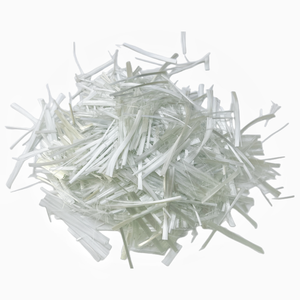
Premium Synthetic Fiber PSF Dual Density Polyester Concrete Fiber for Concrete Chemical Staple Virgin Polyester Fiber
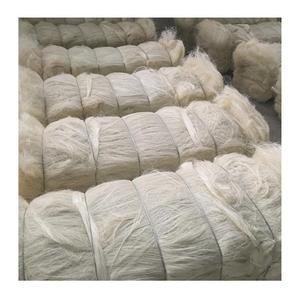
Factory Good Dispersity Polypropylene Concrete Fiber PP Fiber for Concrete
High quality basalt fiber chopped strand for cement concrete pavement
High quality end hook monofilament steel fiber is used to reinforce concrete for floor construction