Ihe mgbakwunye ihe dị fechaa | Ndị na-ahụ maka ụfụfụ na-arụ ọrụ dị elu maka ihe nhịahụ cellular

PRAMETERS ngwaahịa
Nkọwa
Overview of Concrete Foaming Agent for Lightweight Concrete in Roof Insulation Overlay
Concrete Foaming Agent for Lightweight Concrete in Roof Insulation Overlay is a surfactant that generates large quantities of uniform, ụfụfụ kwụsiri ike site n'ụzọ anụ ahụ ma ọ bụ kemịkal. Mgbe ụfụfụ a na-agwakọta nke ọma na slurry dabeere na ciment (simenti, ofufe utu, wdg.) ma gwọọ ya n'onwe ma ọ bụ jiri uzuoku, ọ na-etolite ihe ọhụrụ dị fechaa—ụfụfụ komnkịrị—jupụta n'ime ya na ọtụtụ mkpụrụ ndụ ikuku mechiri emechi.
Features of Concrete Foaming Agent for Lightweight Concrete in Roof Insulation Overlay
1. Ọnụọgụ ụbara ụfụfụ dị elu: Nnukwu ụfụfụ ịba ụba na-enye ohere maka dilution tupu ejiri ya. Otu kilogram nke itinye uche na-emepụta nnukwu ụfụfụ otu, na-ebuga nnukwu ego ego.
2. Ike ụfụfụ siri ike: Na-emepụta resilient, mgbidi ụfụfụ dị mma nke na-eguzogide ọdịda ma ọ bụ nkwụsị. Na-anagide nrụgide nke ọma site na slurry ciment, n'ịhụ na cell ikuku nke nọọrọ onwe ya na nke mechiri emechi n'ime ngwaahịa emechara.
3. Uniform na Ọma pore Structure: Ihe ụfụfụ ahụ na-egosipụta ezigbo nhazi ime nke micro-pores mechiri emechi, na-ekwe nkwa ka mma anụ ahụ Njirimara.
4. Oriri ihe dị ala: Na-enweta akara njupụta na ike nhata na usoro onunu dị ala karịa ngwaahịa ahịa ọkọlọtọ, ibelata ụgwọ.
5. Eco-enyi na enyi na nchekwa: Nnọpụiche nhazi, adịghị egbu egbu, enweghị isi, na anaghị emebi emebi, na-emeghị ihe ọjọọ na gburugburu ebe obibi ma ọ bụ ahụike mmadụ. Nkewa dị ka ihe ụlọ akwụkwọ ndụ akwụkwọ ndụ.
6. Nnukwu mgbanwe: Ndakọrịta dị mma na ciment dị iche iche (gụnyere simenti Portland nkịtị na ciment aluminate) na admixtures. Omume ụfụfụ ngwa ngwa yana nkwụsi ike ụfụfụ gbatịa.

Specifications of Concrete Foaming Agent for Lightweight Concrete in Roof Insulation Overlay
Specs of Concrete Lathering Representative for Lightweight Concrete in Roofing System Insulation Overlay
Nchịkọta ngwaahịa
This concrete lathering agent is a high-performance fluid additive. Ọ na-amịpụta kwụsiri ike, otu ikuku afụ na ngwakọta ciment. The result is lightweight cellular concrete that functions well as a roof covering insulation overlay. The item meets market requirements for toughness, thermal arụmọrụ, and simplicity of application.
Trick Technical Properties
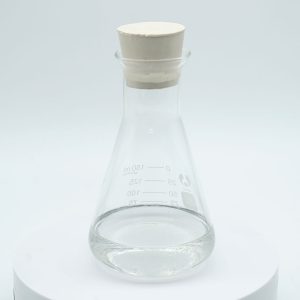
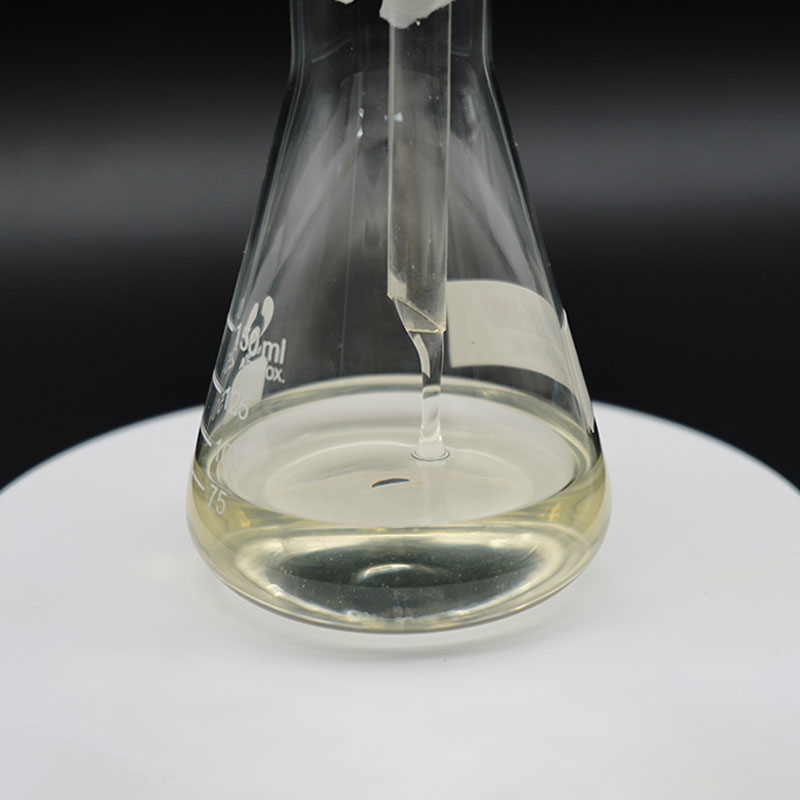
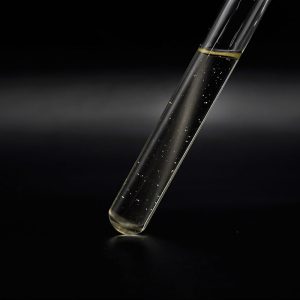
– Lee anya : Mmiri mmiri na-acha odo odo na-egbuke egbuke
– Njupụta : 1.02– 1.05 g/cm anọ na 20 Celsius C.- Uru pH : 6.5– 8.0.
– Oke Mgbasa ụfụfụ : 20:1 ka 30:1 (mmiri-na-onye nnọchi anya mix).
– Oge igbapu mmiri : gafere 60 mins (indicates solid foam security).
– Ndakọrịta : Functions with common Rose city cement and typical admixtures.
Uru arụmọrụ
The foaming agent minimizes the general weight of the concrete layer. This lowers structural tons on the building. It additionally enhances thermal insulation by trapping air in closed cells. The resulting overlay stands up to cracking and contraction. It bonds well to existing roof surfaces without extra guides.
Jiri Ụkpụrụ
Mix the frothing representative with clean water utilizing a foam generator. Normal dose is 0.5– 1.5% site na ibu ciment. Adjust based upon wanted thickness– normally between 400– 1,200 kg/m anọ. Use the foamed concrete directly onto ready roof covering decks. Remedy under typical climate condition. Stay clear of use below 5 ° C or throughout heavy rain.
Oghere nchekwa na nchekwa
Store in initial sealed containers far from direct sunlight. Keep between 5 Celsius C na 35 Celsius C. Ndụ shelf bụ 12 months when kept appropriately. Yiri mkpuchi uwe aka na nchekwa anya n'oge njikwa. The product is non-flammable yet ought to not be ingested or breathed in.
This lathering agent delivers regular outcomes for service providers and contractors. It sustains fast, cost-efficient setup of energy-efficient roofing system systems.
Applications of Concrete Foaming Agent for Lightweight Concrete in Roof Insulation Overlay
Applications of Concrete Foaming Representative for Lightweight Concrete in Roof Covering Insulation Overlay
Why Make Use Of Foamed Concrete on Roofs?
Frothed concrete is a wise selection for roof covering insulation overlays. It uses a concrete frothing representative to create little air bubbles inside the mix. These bubbles make the concrete light and loaded with air pockets. N'ihi nke a, it provides excellent thermal insulation without including hefty lots to the building structure.
Easy to Install and Forming
Service providers find foamed concrete simple to deal with. It can be pumped directly onto the roofing system surface and spread equally by hand or maker. The product flows well and loads gaps without needing resonance or compaction. This saves time and labor during installation. It also adjusts quickly to uneven roofing system surfaces or complex shapes.
Better Energy Effectiveness
The air entraped in foamed concrete decreases warm transfer. N'oge okpomọkụ, it keeps interior areas cooler. N'ọnwa oyi, it helps hold heat inside. This decreases the demand for heating & jụrụ oyi, which lowers power bills. Structures with lathered concrete overlays usually satisfy modern-day energy efficiency requirements a lot more quickly.
Long lasting and Safe
In spite of being light-weight, foamed concrete is solid enough for roofing use. It withstands fire, ire ere, na nje nje. It does not reduce a lot over time, so splits are less likely to create. This indicates fewer fixings and longer life span. Na mgbakwunye, it functions well under waterproofing membranes, giving roofing systems added protection from rain and dampness.
Economical Service
Utilizing a concrete frothing representative cuts product and transportation expenses due to the fact that much less weight means lower architectural support demands. Setup is quickly, which lowers labor expenditures. Ka oge na-aga, the energy financial savings build up. For both brand-new builds and roofing retrofits, frothed concrete offers solid value with very little hassle.
Nkọwapụta Ụlọ ọrụ
Anyị bụ ndị ndu zuru ụwa ọnụ na ngwọta ụfụfụ dị fechaa na nke dị elu. Amara ụwa niile maka ntinye aka ya na nyocha, ihe ọhụrụ, na etinyere nka nka, anyị na-enye ihe ngwọta ụfụfụ emepụtara kemgbe mmalite 2012.
Anyị nwere ike na-enye elu-edu ihe admixture na ụfụfụ ihe metụtara ngwaahịa n'ụwa nile.
Ụlọ ọrụ ahụ nwere ngalaba ọkachamara ọkachamara na ngalaba nlekọta àgwà, ụlọ nyocha nke ọma, na kwadebere na elu ule akụrụngwa na mgbe-sales ahịa ọrụ center.
Ọ bụrụ na ị nwere mmasị, biko nweere onwe gị ma kpọtụrụ anyị.
Ịkwụ ụgwọ
T/T, Western Union, Paypal, Kaadị kredit wdg.
Mbupu
Site n'ikuku, site n'oké osimiri, site na nkwuwa okwu, dị ka ndị ahịa na-arịọ.

5 FAQs of Concrete Foaming Agent for Lightweight Concrete in Roof Insulation Overlay
Frequently Asked Questions About Concrete Foaming Agent for Lightweight Roof Insulation Overlay
Kedu ihe bụ ihe eji eme ụfụfụ?
Ihe na-emepụta ụfụfụ bụ mmiri mmiri agbakwunyere na ngwakọta ciment. Ọ na-emepụta obere afụ ikuku n'ime kọmpụta. These bubbles make the final material lighter and better at blocking heat. This type of concrete is often used on roofs for insulation.
Why use foamed concrete on roofs?
Foamed concrete weighs much less than regular concrete. That means it puts less stress on the building structure. It also traps air, which helps keep heat in during winter and out during summer. This improves energy efficiency and lowers heating and cooling costs.
Kedu ka esi agwakọta onye na-afụ ụfụfụ n'ime ihe?
A na-ebu ụzọ wụnye ihe na-emepụta ụfụfụ na mmiri. Then it is fed into a foam generator to create stable bubbles. These bubbles are blended into a cement slurry made of cement, mmiri, na mgbe ụfọdụ ájá. The mixture is poured directly onto the roof surface and spreads easily.
Is foamed concrete strong enough for roof use?
Ee, but strength depends on the mix design. For roof insulation overlays, ike dị elu adịghị mkpa mgbe niile. Most projects use low-density foamed concrete with enough strength to support light foot traffic and resist weather. If more strength is required, the density can be increased slightly.
Does foamed concrete absorb water?
Properly made foamed concrete has closed air cells that limit water absorption. N'agbanyeghị, it is wise to add a waterproof membrane or coating on top. This protects the layer from rain and moisture, especially in wet climates. Good curing and correct mixing also help reduce water uptake.
RỊỌRỌ OKWU
Ngwaahịa ndị metụtara
Ihe Nnọchiteanya Ụfụfụ Concrete maka Concrete dị fechaa n'ime mkpuchi ala ụlọ mmepụta ihe na-emerụ ahụ.
Onye nnọchi anya ụfụfụ ihe maka ihe dị fechaa na Biogas Plant Foundation Fill
Ihe na-ahụ maka ụfụfụ ihe maka kọmpụta dị fechaa na mkpuchi ụlọ nchekwa oyi
A na-eji ndị ọrụ ntinye ikuku dị elu na ngwa ndị nnọchi anya ụfụfụ
Ihe nnọchi anya ihe nrịbama nke Protein Concrete Foaming maka Mbupụ Mbupu nke CLC