Ihe mgbakwunye ihe dị fechaa | Ndị na-ahụ maka ụfụfụ na-arụ ọrụ dị elu maka ihe nhịahụ cellular

PRAMETERS ngwaahịa
Nkọwa
Introduction to Hydroxypropyl Methyl Cellulose HPMC Uses Bonding Paints Coatings Polimeros Putty
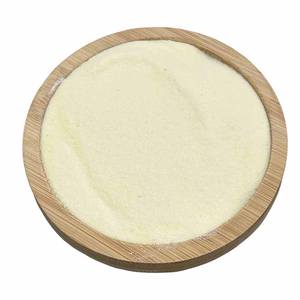
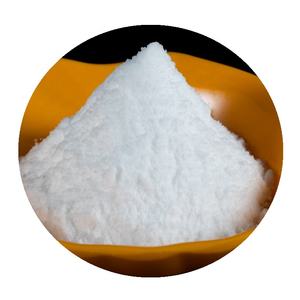
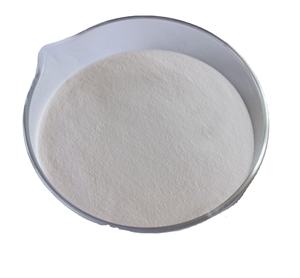
Hydroxypropyl Methylcellulose (HPMC), onye aha Chinese bụ hydroxypropyl methylcellulose, bụ ọkara sịntetik, ether cellulose na-abụghị ionic nwetara site na-agbanwe cellulose eke ekemịkal. Nke a na-acha ọcha ntụ ntụ nwere ike na-etolite a transperent viscous ngwọta mgbe igbari na mmiri. Ọ nwere ezigbo thickening, njide mmiri, nkwụsi ike na ihe ndị na-emepụta ihe nkiri. Ọ bụ ihe mgbakwunye multifunctional dị mkpa n'ọtụtụ mpaghara dị ka ihe owuwu.
Characteristics and advantages of Hydroxypropyl Methyl Cellulose HPMC Uses Bonding Paints Coatings Polimeros Putty
Ezigbo solubility mmiri: Enwere ike ịgbaze ya ngwa ngwa na mmiri oyi iji mepụta ngwọta doro anya ma kwụsie ike.
Ikike ịgbara mmiri nke ọma na njigide mmiri: Mụbaa viscosity nke ihe, nke ọma belata evaporation mmiri, ma melite arụmọrụ ọrụ.
Nkwụsi ike dị mma: Ọ nwere ezigbo nkwụsi ike na acids, alkalis, na nnu, ma dabara adaba maka ọnụọgụ pH dị iche iche.
Ịmepụta ihe nkiri na mmetụta nchebe: Mgbe ihicha, ọ na-emepụta ihe nkiri siri ike na nke na-ekpuchi anya iji chebe mkpụrụ ahụ ma gbochie ntinye mmiri na evaporation.
Ndị na-adịghị egbu egbu na ndị na-adịghị ewe iwe: Ọ nwere ezigbo biocompatibility ma dabara maka mpaghara ọgwụ na nri.
Ngbanwe: Site n'ịgbanwe ogo nke nnọchi na ịdị arọ molekụla, Enwere ike imezi arụmọrụ ya iji zute ngwa ngwa dị iche iche.

Specifications of Hydroxypropyl Methyl Cellulose HPMC Uses Bonding Paints Coatings Polimeros Putty
Hydroxypropyl Methyl Cellulose (HPMC) for Bonding Paints, Mkpuchi, and Putty
Nkọwa aghụghọ
Lee anya: Ọcha na-acha ọcha na-acha ọcha ntụ ntụ efu
Viscosity (2% ọrụ, 20 Celsius C): 4,000– 100,000 mPa · s (customizable based upon application demands).
Ihe eji eme mmiri: ≤ 5%.
pH kwesịrị (2% ngwọta): 6.0– 8.0.
Ọdịnaya Ash: ≤ 5%.
Ọkwa okpomọkụ jel: 58– 64 Celsius C.
Nha Bit: Na-agafe sieve 80-mesh (≥ 98%).
Performance Perks in Building And Construction Applications
HPMC works well in bonding paints, wall surface layers, and polymer-modified putties. Ọ na-enye njigide mmiri siri ike. This aids cement and various other binders moisten fully. Excellent hydration suggests much better adhesion and more powerful final products.
The product boosts workability. Employees locate it less complicated to mix, gbasaa, and complete the product. HPMC also stops sagging on vertical surfaces. This is essential for thick-layer applications like skim layers or ceramic tile adhesives.
It manages viscosity without including additional weight. The best density remains secure over time. This reduces waste and remodel. HPMC also withstands microbial growth. This maintains the damp mix useful much longer on website.
In dry-mix products, HPMC dissolves quick in cool water. No lumps develop if mixed appropriately. It continues to be steady under typical storage space problems. Shelf life is long when kept completely dry and cool.
HPMC is compatible with common construction ingredients. These include redispersible polymer powders, starch ether, na ndị defoamers. Ọ naghị emeghachi omume ọjọọ na ha. This makes formula basic for makers.
This quality of HPMC satisfies worldwide quality requirements. It is free from hazardous solvents and unpredictable organic compounds (VOCs). Safe for both users and the setting.
Producers depend on HPMC for regular batch-to-batch efficiency. Its purity and consistent fragment size make sure foreseeable outcomes each time.
Applications of Hydroxypropyl Methyl Cellulose HPMC Uses Bonding Paints Coatings Polimeros Putty
Hydroxypropyl Methyl Cellulose (HPMC) in Bonding Paints, Mkpuchi, and Polymer Putty
Why HPMC Issues in Structure Materials
Hydroxypropyl Methyl Cellulose (HPMC) is an essential component in lots of building and construction items. It works well in bonding paints, wall surface layers, and polymer-based putties. Building contractors and makers count on it since it enhances exactly how these products execute throughout blending, ngwa, na ihicha.
HPMC aids control water retention. This suggests the product stays damp much longer after it is applied. A longer open time lets workers spread the product uniformly without hurrying. It additionally offers concrete or plaster even more time to heal properly. This results in more powerful adhesion and fewer cracks.
In paints and coverings, HPMC na-arụ ọrụ dị ka thickener. It stops pigments from clearing up at the bottom of the container. This maintains the shade consistent from the initial brushstroke to the last. The finishing moves smoothly and covers better. Drips and splatters are lowered, which saves time and product.
For polymer putties, HPMC na-akwalite ike ịrụ ọrụ. The putty becomes much easier to sand and shape when completely dry. It likewise sticks better to walls, also on challenging surfaces like concrete or old paint. Since HPMC holds water well, the putty dries out gradually and evenly. This stops surface defects like pinholes or shrinkage cracks.
An additional advantage is stability. Products with HPMC remain functional for longer on the shelf. They stand up to changes in temperature and moisture during storage space. Service providers can trust that each set will certainly behave similarly.
HPMC is additionally safe and safe. It does not launch dangerous fumes throughout usage. This makes it ideal for interior applications where air high quality matters.
Na mkpokọta, HPMC brings dependability, mfe ojiji, and better outcomes to everyday structure jobs. Whether you are patching a wall surface, painting a room, or using a surface coat, HPMC assists do the job right the first time.
Nkọwapụta Ụlọ ọrụ
Anyị bụ ndị ndu zuru ụwa ọnụ na ngwọta ụfụfụ dị fechaa na nke dị elu. Amara ụwa niile maka ntinye aka ya na nyocha, ihe ọhụrụ, na etinyere nka nka, anyị na-enye ihe ngwọta ụfụfụ emepụtara kemgbe mmalite 2012.
Anyị nwere ike na-enye elu-edu ihe admixture na ụfụfụ ihe metụtara ngwaahịa n'ụwa nile.
Ụlọ ọrụ ahụ nwere ngalaba ọkachamara ọkachamara na ngalaba nlekọta àgwà, ụlọ nyocha nke ọma, na kwadebere na elu ule akụrụngwa na mgbe-sales ahịa ọrụ center.
Ọ bụrụ na ị nwere mmasị, biko nweere onwe gị ma kpọtụrụ anyị.
Ịkwụ ụgwọ
T/T, Western Union, Paypal, Kaadị kredit wdg.
Mbupu
Site n'ikuku, site n'oké osimiri, site na nkwuwa okwu, dị ka ndị ahịa na-arịọ.
5 FAQs of Hydroxypropyl Methyl Cellulose HPMC Uses Bonding Paints Coatings Polimeros Putty
Frequently Asked Questions About HPMC in Paints, Mkpuchi, and Putty
What is HPMC used for in paints and coatings?
HPMC (Hydroxypropyl Methyl Cellulose) works as a thickener and binder. It helps paints stick better to walls. It also stops paint from dripping or sagging when you apply it. This makes the surface smooth and even.
Gịnị mere tinye HPMC na mgbidi putty?
Wall putty needs to hold well and spread easily. HPMC gives putty good workability. It keeps water in the mix longer so the putty sets properly. This reduces cracks and improves adhesion to the wall.
HPMC ọ na-emetụta oge nkụ?
Ee. HPMC na-ebelata mfu mmiri. This gives you more time to work with the product before it dries. A slower dry time helps avoid surface defects like pinholes or cracks.
HPMC ọ dị mma maka ime ụlọ?
HPMC anaghị egbu egbu na enweghị isi. Ọ naghị ahapụ uzuzu na-emerụ ahụ. That makes it safe for use in homes, ụlọ ọrụ, na oghere ime ụlọ ndị ọzọ. It meets common health and safety standards for building materials.
How much HPMC should be used?
The right amount depends on the product type and desired performance. Na-emekarị, 0.2% ka 0.5% by weight is enough for most paints and putties. Too much can make the mix too thick. Too little may weaken binding and water retention. Soro ntuziaka onye nrụpụta mgbe niile maka nsonaazụ kacha mma.
RỊỌRỌ OKWU
Ngwaahịa ndị metụtara

Hydroxypropyl Methyl Cellulose HPMC 65000 CPS Liquid Detergent Grade High viscosity
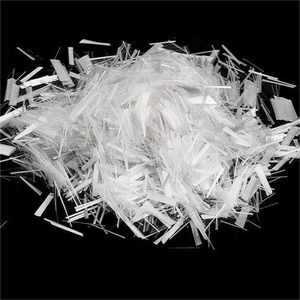
HPMC ịchọ mma kemịkalụ HPMC mmiri mmiri na-asa ákwà ncha ntutu ejiri HPMC

Viscosity dị ala Hydroxypropyl Methyl Cellulose HPMC E5 maka Ngwa mkpuchi

Hydroxypropyl Methyl Cellulose HPMC Ejiri ya maka mkpuchi Skim na Wall Putty
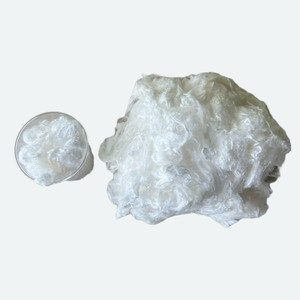
Hydroxypropylmethylcellulose HPMC 200000 Mpas White ntụ ntụ maka iwuli ihe mgbakwunye kemịkalụ / ngwa agha