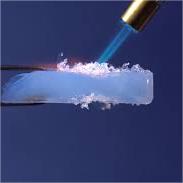
Nga Whakapiri Raima Maamaa | Nga Kaipupuhi Hukarere Mahinga Nui mo te Raima Pukoro


NGA TAATA HUA
Whakaahuatanga
Overview of Aerogel Blanket for LNG Tanks and Pipeline Insulation
Aerogel Blanket for LNG Tanks and Pipeline Insulation is a synthetic porous ultralight material derived from a gel, i whakakapia ai te wahanga wai ki te hau. Ko te hua he totoka me te iti rawa te kiato me te iti o te kawe wera, ka tapaina pinepine “auahi tio.” Ahakoa tona ahua ngoikore, ka taea te hanga kia tino kaha, e mau ana i te taitara o nga rawa maataki tino pai o te ao.
Features of Aerogel Blanket for LNG Tanks and Pipeline Insulation
-
Te Kawenga Ngaaahu Raro rawa o te Ao: Ka whakarato i te mahi whakaraerae tino kore, tino pai ake i nga taonga tuku iho.
-
Tino Iti Kiato: Ko tetahi o nga mea tino maamaa e mohiotia ana e te tangata, me te titonga o runga ki 99.8% hau.
-
Rohe Mata Teitei: Kei a ia tetahi waahanga mata nui o roto, he mea utu nui mo te filtration me te tono whakauru.
-
Tito Putanga: Ka taea te hanga mai i nga momo rauemi, tae atu ki te silica, waro, me nga waikura whakarewa, he mea ahurei ia tangata.
-
Porosity Motuhake: Ko tana hanganga nanoporous te kawenga mo ona kaha ki te whakamaarama.

Te paninga Airgel
Specifications of Aerogel Blanket for LNG Tanks and Pipeline Insulation
Specifications of Aerogel Blanket for LNG Tanks and Pipe Insulation
Waihanga Hua
Te hipoki Airgel is made from silica aerogel and strengthened with glass fiber or other durable textiles. This mix offers the covering high strength while maintaining it light-weight. The material stays stable also at really reduced temperatures.
Mahinga Ngawha
Ko te te kawe wera of the aerogel covering ranges from 0.012 ki 0.018 W/(m · K) i -196 ° C. This makes it one of the most effective insulators for cryogenic usage. It lowers heat gain in LNG systems and aids maintain constant internal temperature levels.
Running Temperature Level Array
This insulation works well in between -269 ° Ca +650 ° C. It carries out accurately in extreme cool, such as in LNG storage tanks and pipes, without cracking or reducing.
Te Matotoru me te Matotoru
Ko etahi atu waahanga matotoru o te paearu 6 mm, 10 mm, a 20 mm. Customized sizes are likewise readily available. The thickness typically drops between 180– 220 kg/m ³, balancing versatility and insulating power.
Water and Moisture Resistance
The covering stands up to water absorption thanks to its hydrophobic therapy. This maintains insulation performance secure also in damp or damp conditions. It does not deteriorate when revealed to moisture with time.
Nga Whare Miihini
Te kaha tensile is typically above 200 kPa. The product can be bent or twisted around bent pipelines without damage. It holds its form during installment and long-term service.
Fire Security
The aerogel blanket is non-combustible and satisfies global fire security criteria. It will not support flame spread or produce harmful smoke when subjected to fire.
Environmental and Handling Notes
The product consists of no harmful fibers like asbestos. It is safe to take care of with standard protective equipment. Cutting and fitting can be done on-site utilizing standard tools.

Applications of Aerogel Blanket for LNG Tanks and Pipeline Insulation
Applications of Aerogel Covering for LNG Storage Tanks and Pipeline Insulation
Superior Cold Protection for Critical Framework
Melted gas (LNG) me noho tino hauhautanga– huri noa -162 ° C– to stay in liquid type. Any kind of heat going into the system can trigger boil-off, which throws away item and elevates safety and security risks. Aerogel coverings offer among the most effective insulation services for this challenge.
These blankets are made from a lightweight, permeable material that catches air in nano-sized pockets. This structure blocks heat transfer much better than standard insulations like mineral wool or foam. Even at very reduced temperature levels, aerogel maintains its efficiency without shrinking or fracturing.
For LNG storage tanks , aerogel blankets wrap around the outer covering to produce a dependable thermal obstacle. They assist maintain interior temperature levels steady and decrease everyday evaporation losses. Their thin profile likewise conserves area– a big benefit where area is limited.
In LNG pipes , regular insulation is crucial over long distances. Aerogel blankets adjust quickly to pipelines of all sizes and shapes. Ka ātete ratou i te makuku, which prevents performance loss in moist or wet settings. Unlike some materials, they do not soak up water or break down with time.
He ngawari te tatūnga. Employees can reduce the coverings on-site with standard tools. The material remains versatile even in freezing problems, making it simple to handle during cold-weather projects. Maintenance requirements are reduced since aerogel does not resolve or compress under regular usage.
Security matters as well. Aerogel coverings are non-combustible and meet stringent fire codes. They launch no poisonous fumes if subjected to fire. This makes them a relied on choice for facilities where fire threat must be lessened.
I te nuinga, aerogel blankets deliver dependable, long-lasting insulation for LNG systems. They reduced functional prices, boost efficiency, and assistance much safer handling of cryogenic fluids.
Kōtaha Kamupene
Ko matou te kaihautu o te ao mo nga raima maamaa me nga otinga pahuka i hangaia. E mohiotia ana puta noa i te ao mo tana pono ki te rangahau, auahatanga, me te tohungatanga tono, kua whakaratohia e matou he otinga pahuka i hangaia mai i te timatanga o te tau 2012.
Ka taea e matou te whakarato i te whakauru raima kounga teitei me nga hua e pa ana ki te raima pahuka puta noa i te ao.
Ko te kamupene he tari hangarau ngaio me te tari tirotiro kounga, he taiwhanga pai rawa atu, me nga taputapu whakamatautau matatau me te pokapū ratonga kaihoko muri-hoko.
Mena kei te hiahia koe, tēnā koa whakapā mai ki a mātou.
Utu
T/T, Western Union, Paypal, Kaari nama etc.
Tukunga
Ma te hau, ma te moana, mā te whakapuaki, kia rite ki te tono a nga kaihoko.
5 FAQs of Aerogel Blanket for LNG Tanks and Pipeline Insulation
Frequently Asked Questions About Aerogel Blanket for LNG Tanks and Pipelines
He aha te paraikete airgel?
Ko te paraikete airgel he mea whakamaarama mama i hangaia mai i te silica airgel. He iti rawa te kawe waiariki. This means it slows down heat transfer better than most traditional insulations. It is flexible and easy to wrap around pipes or tanks.
Why use aerogel blankets for LNG applications?
LNG must stay extremely cold—around -162°C. Any heat entering the system can cause boil-off gas and safety risks. Aerogel blankets offer superior insulation in thin layers. They help keep LNG cold while saving space and weight compared to other materials.
He haumaru te hau ki te hapai?
Ae. Modern aerogel blankets are reinforced with fibers like fiberglass or polyester. This makes them durable and safe to install with standard protective gear. Always follow the manufacturer’s handling instructions to avoid skin or eye irritation.
Kia pehea te roa o te whakamaarama hau?
Aerogel blankets are stable over time. Ka ātete ratou i te makuku, kaua e mimiti, and keep their insulating power for many years. When installed correctly and protected from physical damage, they can last the full service life of the LNG tank or pipeline.
Can aerogel blankets be used outdoors?
Ae. Aerogel blankets work well in outdoor environments. They are often covered with a weather-resistant jacket like aluminum or stainless steel cladding. This protects them from rain, Te whakaaturanga UV, and mechanical wear while maintaining high performance.
TONO HE KORERO
HUA HUA
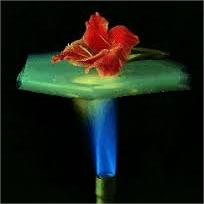
3mm 6mm 10mm 20mm Nga Taonga Hilikaa Waiata Waiata Waiata Paepae Weariki Paraikete Weariki

3 ki te 20mm Silica Airgel Insulation Paraikete me te Nano Airgel Panel mo te Pipeline

Katoa 150 GSM Airgel Non Woven Wadding Polyester mo te moenga
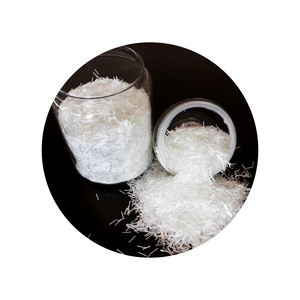
Cheap Aerogel insulation silica fireproof blanket thermal insulation aerogel roll
Hanga Weariki iti Weahanga Fireproof Hydrophobic Airgel paninga Silica Nano Airgel paraikete