


Nga Whakapiri Raima Maamaa | Nga Kaipupuhi Hukarere Mahinga Nui mo te Raima Pukoro

NGA TAATA HUA
Whakaahuatanga
Overview of Concrete Admixture Silica Fume for High Abrasion Resistance Concrete in Industrial Floors
Concrete Admixture Silica Fume for High Abrasion Resistance Concrete in Industrial Floors is chemical compounds added to concrete mixtures to improve various properties of the material, penei i te kaha mahi, kaha, mauroa, me te wa whakaora. Ko enei taapiri kei roto ko nga plasticizers, hunga whakamuri, kaiwhakatere, nga kaihoko parewai, me nga taputapu whakauru hau, i hangaia ia ki te whakatutuki i nga hiahia motuhake mo te hanga raima. Ka whakamahia nga taapiri raima i roto i nga mahi umanga me nga whare noho, me te hanga o te raima tomua me te raima kua rite. Ma te whakarei ake i te mahi me te kounga o te raima, Ko enei taapiri ka awhina i te whakapai ake i te pai o nga kaupapa hangahanga me te whakarite i te mauroa me te roa o te hanganga kua oti.. He ngawari ki te whakauru ki roto i te ranunga me te whakarato i nga otinga utu-utu mo te arotau i nga rawa raima i roto i te whānuitanga o nga tono..
Characteristics of Concrete Admixture Silica Fume for High Abrasion Resistance Concrete in Industrial Floors
Whakanuia te Kaha: Ka taea e nga taapiri raima te whakanui ake i te kaha o te raima, kia kaha ake ki te pehanga me te ahotea. Ma tenei ka whakarite te roa me te mau tonu o nga hanganga, te whakaiti i te tupono ka pakaru, ka kore ranei.
Kua Pai ake te Mahi: Ko nga taapiri penei i te plasticizers me te superplasticizers ka pai ake te rere me te rite o te raima, kia ngawari ake te whakahaere, ringihia, ka mutu. Ko tenei ka whakanui ake i nga hua i runga i te waahi hanga me te whakaiti i nga utu mahi.
Te Whakaora Tere: Kaiwhakatere, he momo taapiri raima, ka awhina i te tere o te mahi whakaora, kia tere ake te whakarite i nga waa me te whakaoti tere o nga kaupapa. He tino whai hua tenei i te rangi makariri, i te wa e tere haere ana nga waahi hangahanga.
Whakanuia te Maamaa: He maha nga taapiri, penei i nga apiha whakaheke wai me nga puhui parewai, whakanui ake i te parenga o te raima ki nga ahuatanga kino o te taiao penei i nga huringa huka-rewa, urunga wai, me te rongo matū, te whakarite mahi mo te wa roa.
He pai ake te whakapiri me te hono: Ko etahi taapiri hei whakapai ake i te hononga i waenga i te raima me etahi atu rawa, penei i te whakakaha i te rino, i te whakahiato ranei, te whakarei ake i te mana o te hanganga me te whakaiti i te tupono o te delamination, te wehenga ranei.
Te Maamaa mo nga momo tono: Ko nga taapiri raima he tino whai kiko, ka taea te whakamahi i roto i te whānuitanga o nga tono, mai i nga whare noho ki nga kaupapa hanganga nunui. I hangaia hei whakatutuki i nga hiahia motuhake penei i te raima kaha teitei, raima whakatiki whaiaro, raima roa ranei mo nga ahuatanga tino kino.
Utu-He pai: Ma te whakapai ake i te kounga me te mahi o te raima, ka whakaitihia e nga taapiri te hiahia mo etahi atu tiaki me te whakatikatika, e arahi ana ki te penapena utu nui mo te wa roa. I tua atu, ka awhina ratou ki te arotau i te hoahoa ranunga, te whakaiti i te ururua rawa.
Taiao: He maha nga taapiri raima hou kua hangaia me nga kai-taiao, ko te whai waahi ki nga mahi hanga toi tonu. Ka awhina enei taapiri ki te whakaiti i te tapuwae waro me te whakapai ake i nga mahi taiao o te raima.
Whakarei Whakamutu Mata: Ka taea e nga taapiri penei i te hau-entraining agents te whakapai ake i te otinga me te ahua o te raima ma te aukati i nga hapa penei i te pakaru., honikoma, te puehu mata ranei, te whakarite kia maeneene, mata ngaio-koeke.

Specification of Concrete Admixture Silica Fume for High Abrasion Resistance Concrete in Industrial Floors
Requirements of Concrete Admixture Silica Fume for High Abrasion Resistance Concrete in Industrial Floors
He aha tena
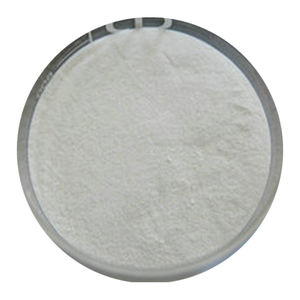
Silica fume is a very great powder used as an admixture in concrete. It originates from the manufacturing of silicon steel or ferrosilicon alloys. This material is mostly constructed from amorphous silica. Ina tapirihia ki te raima, it fills small spaces in between concrete fragments. Ma tenei ka kaha ake, ka kaha ake te raima.
Why Utilize It in Industrial Floors
Industrial floorings deal with rush hour, consistent wear, and influence from machinery. Routine concrete might split or use down quick under these problems. Tae atu kohu hiraka considerably enhances abrasion resistance. The resulting surface remains smooth and undamaged a lot longer. It likewise reduces cleaning and scaling, which prevail issues in factory and storage facility settings.
Secret Efficiency Advantages
Concrete with silica fume reveals greater compressive and flexural stamina. Its reduced leaks in the structure obstructs water, matū, and chlorides from going into. This aids avoid deterioration of steel reinforcement below. The mix additionally gains far better communication, which means less bleeding and segregation throughout placement. These characteristics bring about a much more consistent, long lasting floor finish.
Suggested Dosage and Handling
Usage silica fume at 5% ki 10% i te taimaha o te sima. Always mix it completely with various other completely dry ingredients prior to including water. Since silica fume takes in much more water, you might need a high-range water reducer to maintain the mix practical. Store the powder in a completely dry location. Keep it secured to avoid dampness absorption. Wear proper safety equipment when managing– make use of masks and gloves to limit dirt exposure.
Criteria and Conformity
This item meets ASTM C1240 and EN 13263 requirements for silica fume in concrete. It appropriates for usage in projects that adhere to ACI 302.1 R guidelines for industrial flooring slabs. Constantly test trial batches prior to full-scale application to verify performance under your particular website conditions.

Applications of Concrete Admixture Silica Fume for High Abrasion Resistance Concrete in Industrial Floors
Increase Floor Longevity with Silica Fume
Why Industrial Floors Need Bonus Sturdiness
Industrial floors deal with rush hour every day. Forklifts, machinery, and constant movement use down conventional concrete quick. Routine mixes crack, chip, or deteriorate under this stress and anxiety. That’s where silica fume action in.
Silica fume is a super-fine powder included in concrete mixes. It fills small spaces between concrete bits. Ma tenei ka tino kaha ake te raima. A denser mix suggests less weak spots. Fewer weak points cause much better resistance against abrasion.
Exactly How Silica Fume Works
Ina whakakotahi tika ki te raima, silica fume responds with calcium hydroxide– a natural by-product of cement hydration. This response creates extra binder product inside the concrete. Ko te putanga? A more challenging, tighter surface that takes on grinding, scraping, me te paanga.
Floors treated with silica fume reveal much less dusting in time. They likewise withstand water and chemical penetration much better. This matters in manufacturing facilities, whare rokiroki, and packing docks where spills and wetness prevail.
Including just 5% ki 10% silica fume by weight of cement can double abrasion resistance. Contractors see less repair services and longer life span. Maintenance prices go down since the surface area remains intact much longer.
Real-World Performance
Plants that deal with bulk materials– like grain, coal, or aggregates– advantage most. Their floorings take continuous punishment from dragging, dropping, and rolling lots. Silica fume concrete stands up where normal pieces would certainly stop working within months.
The mix likewise gets early strength much faster. This lets crews open floorings to light traffic quicker. Projects stay on schedule without sacrificing top quality.
Making use of silica fume does require cautious blending and healing. But the payback is clear: a flooring that lasts years longer under rough conditions. For any commercial setting where sturdiness is non-negotiable, silica fume isn’t just an option– it’s a wise investment.
Kōtaha Kamupene
Ko matou te kaihautu o te ao mo nga raima maamaa me nga otinga pahuka i hangaia. E mohiotia ana puta noa i te ao mo tana pono ki te rangahau, auahatanga, me te tohungatanga tono, kua whakaratohia e matou he otinga pahuka i hangaia mai i te timatanga o te tau 2012.
Ka taea e matou te whakarato i te whakauru raima kounga teitei me nga hua e pa ana ki te raima pahuka puta noa i te ao.
Ko te kamupene he tari hangarau ngaio me te tari tirotiro kounga, he taiwhanga pai rawa atu, me nga taputapu whakamatautau matatau me te pokapū ratonga kaihoko muri-hoko.
Mena kei te hiahia koe, tēnā koa whakapā mai ki a mātou.
Utu
T/T, Western Union, Paypal, Kaari nama etc.
Tukunga
Ma te hau, ma te moana, mā te whakapuaki, kia rite ki te tono a nga kaihoko.
5 FAQs of Concrete Admixture Silica Fume for High Abrasion Resistance Concrete in Industrial Floors
Runga 5 FAQs About Silica Fume for High Abrasion Resistance Concrete in Industrial Floors
What is silica fume?
Silica fume is a very fine powder made from silicon metal or ferrosilicon production. It is added to concrete to make it stronger and more durable. Because the particles are so small, they fill tiny gaps between cement grains. This makes the concrete denser and less porous.
How does silica fume improve abrasion resistance?
Silica fume boosts the hardness and surface strength of concrete. It reacts with calcium hydroxide in cement to form extra binding compounds. This reaction creates a tighter, tougher surface that resists wear from heavy traffic, machinery, and constant use—common in warehouses, wheketere, and loading docks.
What is the right dosage for industrial floors?
Ka whakamahia e te nuinga o nga kaupapa 5% ki 10% silica fume by weight of cement. The exact amount depends on the expected load, exposure conditions, and required strength. Ko te iti rawa pea ka kore e tino whai hua. Too much can make mixing and finishing harder. Always follow mix design guidelines from a qualified engineer.
Does silica fume affect workability?
Ae. Silica fume makes concrete stiffer and less flowable because of its fine particles. Kia pai te mahi, you often need to add a high-range water reducer (superplasticizer). This helps maintain proper consistency without adding extra water, which would weaken the concrete.
Are there special curing requirements?
Ae. Concrete with silica fume dries faster on the surface due to its low permeability. This means it needs prompt and thorough curing. Use moist curing, curing compounds, or wet coverings for at least 7 nga ra. Good curing prevents cracking and ensures full strength development.
TONO HE KORERO
HUA HUA
Ko nga Taapiri Ahumahi Ahumahi Ka Whakapai ake i te Kirihou HPMC Paura Whakakotahi Raima mo te Whakapai Raima Moata Gypsum Mortar me te Tile Adhesive
Polycarboxylate Superplasticizer Wai Whakakotahitanga Raima mo te Raima me te Kiato Taapapa Nui
Redispersible Polymer Powder RDP Anti Kapiti Raima Whakaranuhia mo te EIFS Whakaranu Moata maroke

Te Waahanga Raima PVA Fiber mo te Whakakikorua Kohatu Angiangi me te Hanga Kohatu Artificial

Te Whakakotahitanga Raima Polycarboxylate Superplasticizer Paura mo te Whakaheke Wai Teitei me te Pupuri Pupuri
