Nga Whakapiri Raima Maamaa | Nga Kaipupuhi Hukarere Mahinga Nui mo te Raima Pukoro

NGA TAATA HUA
Whakaahuatanga
Overview of cellulose fiber for concrete
Mo te parenga-nui, ka whakaekea e matou nga muka maitai, he whakakapinga pai mo te waea waea paiherea i roto i nga papa ahumahi me nga waahanga o mua. Ka whakaratohia ano hoki e matou nga muka Hanganga Hanganga motuhake e tuku ana i te kaha kaha mo te tono tono.. Ka marara rite enei muka puta noa i te ranunga raima, te hanga i te kupenga whakakaha-maha e kore e taea e nga tikanga tuku iho. Ko tenei huarahi whakauru ka ngawari te hanga, ka whakatere i te whakanohonga, me te whakanui ake i te pono me te roa o te raima, he whakautu hou mo nga wero tawhito me te mauroa.
Features of cellulose fiber for concrete
1. Mana Kapiti Kairangi me te Maamaa Whakarei:
Ko te ahuatanga tuatahi o a tatou muka ko to raatau kaha ki te hono i nga kapiti moroiti e rua ka puta i te wa o te ahua kirihou me nga kapiti nui atu i roto i te raima whakapakeke.. Ko tenei marara e toru-ahu ka hanga he matrix kaha ake hei aukati i te whakatipu kapiti. Ko te painga tika ko te whakahekenga nui i roto i nga kapiti whakaheke kirihou me te whanui kapiti mo te wa roa. Ka puta tenei ki te raima tino roa ake me te iti o te uruhanga, e whakanui ana i te aukati ki te whakauru wai, te mate huka-rewa, me te waikura o tetahi rino whakauru. Ko te hua ko te hanganga me te roa o te oranga ratonga me te whakaiti i nga utu tiaki.
2. Te Whakanuia o te Paanga me te Atete Abrasion:
Nga muka, ina koa te rino me nga muka tonotono waihanga pakari, te whakapai ake i te pakari o te raima me te mahi i muri i te kapiti. Ka mimiti, ka tohatoha i te kaha i runga i te paanga, te uta ranei. Ko tenei ahuatanga e whakarato ana i te painga o te mata kaha ake ka iti ake te waahi ki te pakaru, maramara, me te abrasion i raro i nga waka taumaha me nga kakahu miihini. He painga nui tenei mo nga papa ahumahi, nga papahanga whare putunga, me nga kaupapa hanganga, e arai ana ki te mata pakeke ake e mau tonu ana tona tapatahi i roto i te waa.
3. Te Mahi Hanga me te Tiaki Utu:
Ko tetahi ahuatanga nui o te whakamahi i te whakakaha muka ko te whakakore i nga waea waea paiherea (WWF) i roto i nga tono maha. Ka whakarato tenei i nga painga nui i runga i te waahi: he whakangawari te whakatakotoranga, i te mea karekau he mata hei whakatu, ka nukuhia ranei, a ka whakatere i te katoa o nga mahi hanga. Na roto i te tango i tetahi mahi mahi, ka kite nga kaupapa i te hekenga o nga utu mo nga kaimahi me te tere ake o nga waahi kaupapa. Ko te tohatoha rite o nga muka ka whakarite kia rite tonu te whakakaha puta noa i te waahanga raima katoa, kaore i rite ki te mata, ka taea te whakanoho hee, ka nui ake te pono me te matapae mahi.

Specification of cellulose fiber for concrete
Cellulose Fiber for Concrete– Tuemi Spec
Tirohanga
Cellulose fiber is a natural additive utilized to improve the efficiency of concrete. It is made from fine-tuned timber pulp and refined right into penalty, brief fibers. These fibers mix quickly right into concrete batches and assist manage breaking throughout very early drying out phases.
Ko nga Kounga a-tinana
The fiber length varies from 0.5 mm ki 2.0 mm. Fiber diameter is usually in between 10 a 20 micrometers. The material looks like a light gray or off-white powder with a fluffy appearance. It has a bulk density of regarding 80– 120 kg/m five and distributes consistently in water-based blends.
Nga Whakapaipaitanga
Ina tapirihia ki te raima, cellulose fiber decreases plastic contraction fractures. It holds dampness inside the mix longer, which sustains far better healing. This causes improved surface area stability and fewer surface area defects. The fibers also enhance influence resistance and help preserve cohesion in fresh concrete, specifically in thin areas or splashed applications.
Mixing Standards
Use a dosage of 0.5 ki 1.0 kg ia mita pūtoru o raima. Include fibers gradually during mixing to prevent clumping. Whakaranuhia mo te iti rawa 3 ki 5 min after all materials remain in the drum. Requirement concrete mixers work well– kaore he taputapu motuhake e hiahiatia ana. See to it water material stays within recommended limits to keep workability.
Hototahi
Cellulose fiber deals with most cement kinds, ko Portland ciment, raima whakakotahi, and common admixtures like superplasticizers or air-entraining representatives. Constantly run a tiny test batch prior to full-scale usage to examine compatibility and finish high quality.
Te Rokiroki me te Whakahaere
Rokiroki i roto i te tino maroke, protected location far from wetness. Kia mau tonu nga peke tae noa ki te whakamahi. Ko te roanga o te ora tekau ma rua marama when stored correctly. Use handwear covers and a dust mask throughout handling to avoid skin or respiratory irritability.

Applications of cellulose fiber for concrete
Applications of Cellulose Fiber in Concrete
Why Add Cellulose Fiber?
Including cellulose fiber to concrete improves its efficiency in lots of ways. The fibers blend equally right into the concrete and aid control little cracks that usually develop as the material dries or diminishes. This makes the end product more powerful and extra durable with time.
Fracture Control and Shrinkage Decrease
Concrete normally reduces as it hardens. This shrinking can trigger little splits externally. Cellulose fibers act like a support network inside the mix. They hold the product together and lower the opportunity of these very early cracks developing. Building contractors use this advantage in pieces, huarahi hikoi, and driveways where surface area appearance matters.
Workability and Complete High Quality
Cellulose fibers do not make concrete more difficult to work with. Mau, they aid keep water evenly dispersed during mixing and putting. This leads to a smoother surface after finishing. Specialists locate it much easier to trowel and stamp the concrete without bothering with fast drying or uneven texture.
Sustainability Advantage
Cellulose fiber comes from natural wood pulp. It is eco-friendly and naturally degradable. Utilizing it in concrete sustains greener building practices. It replaces some artificial fibers that count on nonrenewable fuel sources. Lots of environment-friendly building projects now consist of cellulose fiber therefore.
Whakamahinga noa
You will certainly discover cellulose fiber in property and commercial concrete applications. He pai te mahi i roto i nga papa, papa taiepa, nga panui o mua, me te shotcrete. It is additionally utilized out of commission mortars due to the fact that it bonds well and stands up to splitting under stress. Kaore te muka e waikura penei i te maitai, so it lasts much longer in damp or harsh environments.
He ngawari ki te whakamahi
Including cellulose fiber needs no special equipment. Just blend it into the concrete like any type of various other additive. The dosage is reduced– usually much less than 1 extra pound per cubic backyard– so it does not transform the mix style a lot. A lot of ready-mix distributors can include it without added actions.
Whakataki Kamupene
Nau mai ki te Raima me etahi atu, he kaiwhakarato matua o nga whakauru raima mahi teitei, tae atu ki a maatau utu whakaheke wai raima. Me nga tau o te wheako i te maakete o te ao, ka whakaekea e matou etahi otinga matatau i hangaia hei whakarei ake i te kounga me te pai o nga kaupapa hanga puta noa i te ao. Ko o tatou whare hanga-a-toi-a-toi e whakarite ana i nga hua o te kounga teitei e tutuki ana ki nga paerewa o te ao. He whakahīhī mātou i runga i te ratonga kiritaki tino pai, tautoko hangarau, me nga otinga kua whakaritea hei whakatutuki i nga hiahia kaupapa motuhake. Whakahoahoa ki a maatau mo te pono, auaha, me nga whakauru raima utu-utu e akiaki ana i o kaupapa ki mua. Torotoro atu i www.concreteandmore.de/. Kia hanga tahi tatou i te heke mai!
Mena kei a koe etahi patai, tēnā koa whakapā mai ki a mātou.
Nga Tikanga Utu
T/T, Western Union, Paypal, Kaari nama etc.
Nga Tikanga Tukunga
Ma te hau, ma te moana, mā te whakapuaki, kia rite ki te tono a nga kaihoko.

5 FAQs of cellulose fiber for concrete
What is cellulose fiber for concrete?
Cellulose fiber is a natural material made from wood pulp. Ka whakaranuhia e nga kaihanga ki te raima hei awhina i te aukati i te pakaru. It works by holding the concrete together when it starts to shrink or dry out.
He aha te taapiri i te muka cellulose ki te raima?
Concrete often cracks as it dries. Cellulose fibers reduce this risk. They create a network inside the mix that holds tiny cracks from getting bigger. This makes the surface stronger and more even over time.
How much cellulose fiber should I use?
Most mixes need about 0.5 ki 1.0 pound of fiber per cubic yard of concrete. Always check the product label. Ko te iti rawa e kore e awhina nui. Ka nui rawa te mahi ka uaua te whakauru.
Does cellulose fiber affect how concrete looks?
Kao. The fibers are very fine and blend in well. After the concrete sets, you won’t see them on the surface. The finish stays smooth and clean, rite tonu ki te raima noa.
Can I use cellulose fiber with other additives?
Ae. Cellulose fiber works well with most common concrete additives like water reducers or air entrainers. Just mix everything in the right order. Add the fiber early so it spreads evenly through the batch. This helps avoid clumps and ensures full performance.
TONO HE KORERO
HUA HUA

Glass Fiber Reinforced Concrete PP Polypropylene Fiber Reinforced Concrete
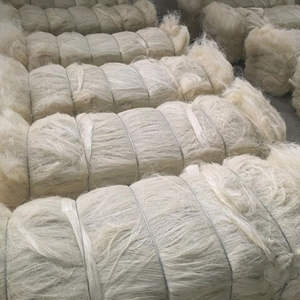
Polypropylene PP Raima Fiber Aukati Moroiti Kapiti i tupu i roto i te Raima
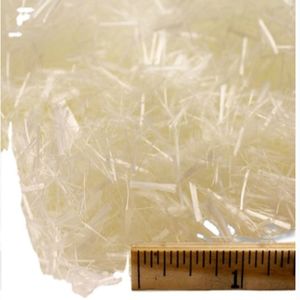
Polypropylene PP Raima Fiber mo te Whakamahinga Hanga Raima
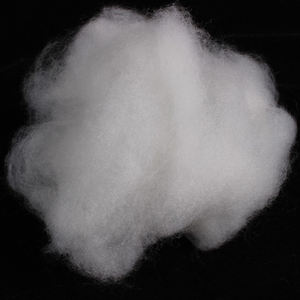
Ko te mahi teitei o te raima monofilament mo te raima raima mo te Precast Concrete

High Quality Polypropylene PP Micro Concrete Fiber Synthetic Polyester Staple Fiber mo te Raima