


Nga Whakapiri Raima Maamaa | Nga Kaipupuhi Hukarere Mahinga Nui mo te Raima Pukoro

NGA TAATA HUA
Whakaahuatanga
Overview of Construction building material Cement / Nga Wero Tapatapahi Raima Whakapakari
Mo te parenga-nui, ka whakaekea e matou nga muka maitai, he whakakapinga pai mo te waea waea paiherea i roto i nga papa ahumahi me nga waahanga o mua. Ka whakaratohia ano hoki e matou nga muka Hanganga Hanganga motuhake e tuku ana i te kaha kaha mo te tono tono.. Ka marara rite enei muka puta noa i te ranunga raima, te hanga i te kupenga whakakaha-maha e kore e taea e nga tikanga tuku iho. Ko tenei huarahi whakauru ka ngawari te hanga, ka whakatere i te whakanohonga, me te whakanui ake i te pono me te roa o te raima, he whakautu hou mo nga wero tawhito me te mauroa.
Features of Construction building material Cement / Nga Wero Tapatapahi Raima Whakapakari
1. Mana Kapiti Kairangi me te Maamaa Whakarei:
Ko te ahuatanga tuatahi o a tatou muka ko to raatau kaha ki te hono i nga kapiti moroiti e rua ka puta i te wa o te ahua kirihou me nga kapiti nui atu i roto i te raima whakapakeke.. Ko tenei marara e toru-ahu ka hanga he matrix kaha ake hei aukati i te whakatipu kapiti. Ko te painga tika ko te whakahekenga nui i roto i nga kapiti whakaheke kirihou me te whanui kapiti mo te wa roa. Ka puta tenei ki te raima tino roa ake me te iti o te uruhanga, e whakanui ana i te aukati ki te whakauru wai, te mate huka-rewa, me te waikura o tetahi rino whakauru. Ko te hua ko te hanganga me te roa o te oranga ratonga me te whakaiti i nga utu tiaki.
2. Te Whakanuia o te Paanga me te Atete Abrasion:
Nga muka, ina koa te rino me nga muka tonotono waihanga pakari, te whakapai ake i te pakari o te raima me te mahi i muri i te kapiti. Ka mimiti, ka tohatoha i te kaha i runga i te paanga, te uta ranei. Ko tenei ahuatanga e whakarato ana i te painga o te mata kaha ake ka iti ake te waahi ki te pakaru, maramara, me te abrasion i raro i nga waka taumaha me nga kakahu miihini. He painga nui tenei mo nga papa ahumahi, nga papahanga whare putunga, me nga kaupapa hanganga, e arai ana ki te mata pakeke ake e mau tonu ana tona tapatahi i roto i te waa.
3. Te Mahi Hanga me te Tiaki Utu:
Ko tetahi ahuatanga nui o te whakamahi i te whakakaha muka ko te whakakore i nga waea waea paiherea (WWF) i roto i nga tono maha. Ka whakarato tenei i nga painga nui i runga i te waahi: he whakangawari te whakatakotoranga, i te mea karekau he mata hei whakatu, ka nukuhia ranei, a ka whakatere i te katoa o nga mahi hanga. Na roto i te tango i tetahi mahi mahi, ka kite nga kaupapa i te hekenga o nga utu mo nga kaimahi me te tere ake o nga waahi kaupapa. Ko te tohatoha rite o nga muka ka whakarite kia rite tonu te whakakaha puta noa i te waahanga raima katoa, kaore i rite ki te mata, ka taea te whakanoho hee, ka nui ake te pono me te matapae mahi.

Specification of Construction building material Cement / Nga Wero Tapatapahi Raima Whakapakari
Chopped Strand Reinforced Fiber for Concrete and Concrete
He aha tena
This item is made of short, cut fibers created to mix right into concrete or concrete. The strands are uniformly sized and treated to bond well with structure materials. They help in reducing splits, boost sturdiness, and boost overall toughness.
Nga waahanga matua
Te pakaritanga teitei — The fibers stand up under tension better than simple concrete.
Te tohatoha rite — Each set blends efficiently without clumping.
Alkali-resistant coating — The surface area therapy shields fibers from chemical damages in damp concrete.
He ngawari ki te whakamahi — Kaore he taputapu motuhake, he hikoinga ranei e hiahiatia ana. Simply include throughout regular mixing.
He aha te whakamahi
Ordinary concrete can split under pressure or temperature adjustments. Including chopped strand fibers assists stop small fractures from growing. This makes floorings, papa taiepa, paipa, and slabs last much longer. The material likewise reduces the need for steel mesh in some applications, te tiaki i te wa me te mahi.
Nga Taipitopito Hangarau
Te roa o te muka : 6 mm ki 18 mm (common options).
Diamita : Around 13– 20 microns.
Rauemi : Normally E-glass or AR-glass (alkali-resistant glass).
Te horopeta : 0.6– 1.5 kg ia mita pūtoru o te raima, depending upon use.
whakamarumaru : Maama, beige ranei.
Te takai : 20 kg peke makuku.
Usual Makes use of
– Precast concrete panels.
– Flooring and screeds.
– Shotcrete me te raima rehu.
– Paipa, pokarekare, me nga punaha whakaheke wai.
– Fixing mortars and overlays.
These fibers work well in both damp and dry mix systems. They satisfy significant worldwide standards for performance in construction. Constantly follow local blending standards for best results.
Applications of Construction building material Cement / Nga Wero Tapatapahi Raima Whakapakari
Applications of Cement and Concrete Strengthened with Cut Fiber Strands
More Powerful Concrete for Everyday Usage
Including cut fiber hairs to seal or concrete makes the product a lot harder. These short fibers mix right into the wet concrete prior to it sets. Ina maroke rawa, the concrete resists splits much better and lasts much longer under stress.
Whakamahinga angamaheni i roto i te Whare
Building contractors utilize fiber-reinforced concrete in lots of areas. It functions well for pathways, nga huarahi taraiwa, and patio areas due to the fact that it handles foot web traffic and climate changes without breaking apart quickly. Parking great deals and warehouse floorings additionally gain from this mix since heavy cars roll over them daily.
Great for Thin or Precast Pieces
Thin concrete sections– like wall panels, te tuanui e hipoki ana i nga tile papa, or ornamental items– usually split when made with simple concrete. Including cut fibers provides extra stamina without needing steel rebar. This makes production faster and cuts costs. Precast things delivered to task sites show up in much better form because the fibers wait together during transportation.
Assists in Hard Problems
In locations with freezing winters months or salted air near oceans, regular concrete can wear down quickly. Fiber strands reduce this damages. They stop tiny fractures from expanding huge. That suggests less repair work and a longer life for bridges, sea walls, and below ground pipes.
Easier Mixing, Better Results
You do not require special devices to make use of chopped fiber strands. Simply add them while mixing the concrete like you would with sand or gravel. The fibers spread out evenly and bond well with the concrete paste. The final product remains smooth and looks clean, without globs or weak spots.
This type of strengthened concrete saves time, lowers maintenance, and performs well throughout many structure types– from homes to freeways. Professionals pick it because it works reliably and keeps frameworks safe over time.
Whakataki Kamupene
Nau mai ki te Raima me etahi atu, he kaiwhakarato matua o nga whakauru raima mahi teitei, tae atu ki a maatau utu whakaheke wai raima. Me nga tau o te wheako i te maakete o te ao, ka whakaekea e matou etahi otinga matatau i hangaia hei whakarei ake i te kounga me te pai o nga kaupapa hanga puta noa i te ao. Ko o tatou whare hanga-a-toi-a-toi e whakarite ana i nga hua o te kounga teitei e tutuki ana ki nga paerewa o te ao. He whakahīhī mātou i runga i te ratonga kiritaki tino pai, tautoko hangarau, me nga otinga kua whakaritea hei whakatutuki i nga hiahia kaupapa motuhake. Whakahoahoa ki a maatau mo te pono, auaha, me nga whakauru raima utu-utu e akiaki ana i o kaupapa ki mua. Torotoro atu i www.concreteandmore.de/. Kia hanga tahi tatou i te heke mai!
Mena kei a koe etahi patai, tēnā koa whakapā mai ki a mātou.
Nga Tikanga Utu
T/T, Western Union, Paypal, Kaari nama etc.
Nga Tikanga Tukunga
Ma te hau, ma te moana, mā te whakapuaki, kia rite ki te tono a nga kaihoko.
5 FAQs of Construction building material Cement / Nga Wero Tapatapahi Raima Whakapakari
Frequently Asked Questions About Concrete Reinforced Fiber Chopped Strands
What are chopped strand fibers used for?
Chopped strand fibers are added to cement or concrete mixes. Ka awhina ratou ki te whakahaere i te pakaru me te whakapai ake i te pakari. These fibers work inside the concrete to hold it together when stress occurs.
How do these fibers make concrete better?
The fibers reduce shrinkage cracks during drying. They also boost impact resistance and durability. Concrete with fibers lasts longer under heavy use or harsh weather.
Are chopped strands easy to mix into concrete?
Ae. You can add them directly during normal mixing. Kaore he taputapu motuhake, he hikoinga ranei e hiahiatia ana. The fibers spread evenly through the batch and do not clump if mixed properly.
Do I still need steel rebar if I use these fibers?
It depends on your project. Fibers handle small cracks and surface wear. But for major structural support, steel rebar is still required. Use both together for best results in high-stress applications.
What types of projects benefit most from fiber reinforcement?
Nga papa, nga huarahi taraiwa, huarahi huarahi, and industrial slabs gain a lot from these fibers. Shotcrete, nga panui o mua, and repair mortars also perform better with them. Any place where crack control matters will see improvement.
TONO HE KORERO
HUA HUA
Polypropylene PP Raima Sima Mesh Fibrillated Raima Raima

Lignin Wood Cellulose Fiber Mo Uku Raima Whakapakari Matotoru Kapiti Atete
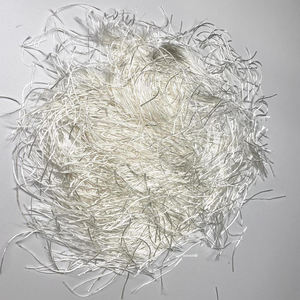
Te Miri Raima Raima Waa Toka Piriti Raima Hanga Waa Waea mo nga waahi hanga

Polypropylene Fiber PP Fiber mo te hanga raima
Polypropylene Staple Fiber mo te Raima Whakapakari i te Whakapakari Polypropylene Fiber PP Fiber
