Nga Whakapiri Raima Maamaa | Nga Kaipupuhi Hukarere Mahinga Nui mo te Raima Pukoro


NGA TAATA HUA
Whakaahuatanga
Whakataki ki te Hydroxypropyl Methyl Cellulose HPMC 400 4000 6000 40000 60000 80000 100000 150000 200000
Hydroxypropyl Methylcellulose (HPMC), ko tona ingoa Hainamana ko te hydroxypropyl methylcellulose, he mea hangarua, Ko te etera cellulose kore katote i whiwhi ma te whakarereke matū i te cellulose taiao. Ka taea e tenei paura ma te hanga i te wairewa maamaa marama i muri i te rewa ki te wai. He tino pai te matotoru, pupuri wai, pūmautanga me ngā āhuatanga hanga kiriata. He taapiri taapiri tino nui i roto i nga waahanga maha penei i te hanga.
Nga ahuatanga me nga painga o Hydroxypropyl Methyl Cellulose HPMC 400 4000 6000 40000 60000 80000 100000 150000 200000
Te wairewa tino pai: Ka tere te memeha i roto i te wai matao kia puta he otinga maamaa me te pumau.
Te kaha ki te whakamaroke me te pupuri wai: Whakanuia te viscosity o te rauemi, pai te whakaiti i te whakaetonga wai, me te whakapai ake i te pai o te mahi.
He pai te pumau: He pai te pumau ki nga waikawa, kawakore, me nga tote, a he pai mo te whānuitanga o nga uara pH.
Te hanga kiriata me nga paanga whakamarumaru: I muri i te whakamaroke, hanga he kiriata uaua me te marama ki te tiaki i te tïpako me te aukati i te kuhu o te wai me te whakaetonga.
Kore paitini me te kore whakapouri: He pai te koiora me te pai mo nga mara rongoa me te kai.
Te whakatikatika: Ma te huri i te tohu whakakapinga me te taumaha ngota, ka taea te whakatika i tana mahi ki te whakatutuki i nga whakaritenga tono rereke.

Nga korero mo te Hydroxypropyl Methyl Cellulose HPMC 400 4000 6000 40000 60000 80000 100000 150000 200000
Hydroxypropyl Methyl Cellulose (HPMC)– Whakatakotoranga Hua
Tirohanga
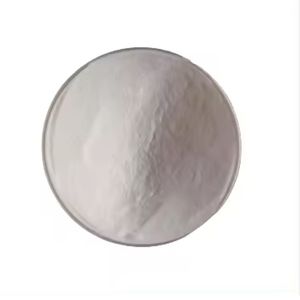
Hydroxypropyl Methyl Cellulose (HPMC) is a white or beige powder. It dissolves in cold water to form a clear, kōwhiringa viscous. HPMC is extensively used in building, rongoā, kai, and cosmetics due to its excellent thickening, here, hanga kiriata, and water-retention buildings.
Koeke Viscosity
HPMC is available in several viscosity grades. Each grade is named by its approximate thickness in millipascal-seconds (mPa · s) at a 2% kukū i roto i te wai i 20 ° C. Common qualities consist of:
HPMC 400, HPMC 4000, HPMC 6000, HPMC 40000, HPMC 60000, HPMC 80000, HPMC 100000, HPMC 150000, a HPMC 200000.
Lower-viscosity qualities like HPMC 400 a 4000 are excellent for applications needing simple circulation and quick dissolution. Tool qualities such as HPMC 6000 ki 60000 offer well balanced performance for floor tile adhesives and plasters. High-viscosity types like HPMC 80000 through 200000 supply strong water retention and enlarging, suitable for self-leveling compounds and specialized mortars.
Nga Nohonga Huna
– Te ahua : Te paura rere noa, white to beige
– pH (2% kōwhiringa) : 4.0– 8.0.
– Te haumākū ihirangi tukutuku : ≤ 5%.
– He ihirangi tukutuku pungarehu : ≤ 5%.
– Te mahana o te ra : 58– 64 ° C.
– Alternative : Methoxyl 19– 30%, Hydroxypropyl 4– 12%.
Te waahi rokiroki & Te whakahaere
Shop HPMC in an awesome, wahi maroke rawa atu i te makuku. Keep containers firmly closed. Prevent exposure to high moisture to prevent clumping. Usage common industrial health practices when managing the powder.

Nga tono o Hydroxypropyl Methyl Cellulose HPMC 400 4000 6000 40000 60000 80000 100000 150000 200000
Nga tono mo te Hydroxypropyl Methyl Cellulose (HPMC)
Versatile Grades for Diverse Demands
Hydroxypropyl Methyl Cellulose, HPMC ranei, can be found in many viscosity qualities– penei 400, 4000, 6000, 40000, 60000, 80000, 100000, 150000, a 200000. Each grade serves a specific purpose based upon its thickness and efficiency in water.
Low-viscosity qualities like HPMC 400 and HPMC 4000 mix easily into liquids. They function well in floor tile adhesives, pūhui whakaōrite-whaiaro, me nga mota whakamaroke-whakaranu. These grades help regulate water retention so seal collections appropriately.
Medium grades such as HPMC 6000 and HPMC 40000 are common in outside insulation systems and plaster. They offer great workability and quit drooping on vertical surface areas. Home builders depend on them for smooth application and strong attachment.
High-viscosity types– consisting of HPMC 60000 , 80000 , 100000 , 150000 , a 200000 — are thick and steady. They are utilized where long open time and high water retention issue the majority of. Instances consist of thick-bed renders, mota ratonga whakatika, and specialized grouts. These grades keep the mix wet much longer, which helps healing in hot or dry conditions.
Te Putea Ka taea e koe te Tiaki Putea
HPMC boosts consistency across all construction products. It avoids separation of ingredients and makes mixing less complicated. The item likewise minimizes dust during handling and boosts pumpability.
In addition to construction, some HPMC qualities sustain pharmaceutical and food usages. Yet in structure applications, the focus stays on stamina, kaha mahi, and dependability.
Different projects require various thickness. Selecting the appropriate HPMC grade makes sure much better results– whether you’re laying floor tiles, finish walls, or fixing concrete. Constantly match the quality to your mix style and job conditions.
Kōtaha Kamupene
Ko matou te kaihautu o te ao mo nga raima maamaa me nga otinga pahuka i hangaia. E mohiotia ana puta noa i te ao mo tana pono ki te rangahau, auahatanga, me te tohungatanga tono, kua whakaratohia e matou he otinga pahuka i hangaia mai i te timatanga o te tau 2012.
Ka taea e matou te whakarato i te whakauru raima kounga teitei me nga hua e pa ana ki te raima pahuka puta noa i te ao.
Ko te kamupene he tari hangarau ngaio me te tari tirotiro kounga, he taiwhanga pai rawa atu, me nga taputapu whakamatautau matatau me te pokapū ratonga kaihoko muri-hoko.
Mena kei te hiahia koe, tēnā koa whakapā mai ki a mātou.
Utu
T/T, Western Union, Paypal, Kaari nama etc.
Tukunga
Ma te hau, ma te moana, mā te whakapuaki, kia rite ki te tono a nga kaihoko.
5 FAQs o Hydroxypropyl Methyl Cellulose HPMC 400 4000 6000 40000 60000 80000 100000 150000 200000
Frequently Asked Questions About HPMC Grades
What is HPMC and why are there so many grades?
Ko te HPMC te tu mo Hydroxypropyl Methyl Cellulose. It is a water-soluble polymer made from plant cellulose. Different grades—like 400, 4000, 6000, up to 200000—refer to viscosity levels. Higher numbers mean thicker solutions when mixed with water. Each grade suits specific uses based on how thick or thin the final product needs to be.
Which HPMC grade works best in construction materials?
Grades such as 40000, 60000, a 100000 are common in tile adhesives, tāhuahua, me nga raima. They give good workability, pupuri wai, me te wa tuwhera. Lower grades like 400 ranei 6000 are too thin for these jobs. High-viscosity HPMC helps keep water in the mix so cement can cure properly.
Can I use high-viscosity HPMC in food or pharmaceuticals?
Ae, engari mena ka tutuki i nga paerewa kai-kai, i nga tohu-rongoa ranei. Viscosity matters less than purity here. Grades like 400 ranei 4000 are often used in tablets or sauces because they dissolve quickly and feel smooth. Always check the product’s certification before using it in consumables.
How does viscosity affect performance?
Viscosity controls thickness and flow. HPMC iti-pokey (e.g., 400–6000) spreads easily and mixes fast. High-viscosity types (e.g., 150000–200000) create gels that hold shape and slow down water loss. Pick the right viscosity based on whether you need fluidity or stability.
He haumaru te HPMC ki te hapai?
Ko te HPMC he kore-paitini me te koiora. It does not irritate skin under normal use. Tonu, wear gloves and a mask when handling fine powders to avoid breathing dust. Store it in a dry place—it absorbs moisture from the air and may clump.
TONO HE KORERO
HUA HUA

Whakawhiwhia wheketere HPMC Hangaia hpmc matū hpmc 200000 Ki te Viscosity Teitei

Best CAS 9004 65 3 Hydroxypropyl Methyl Cellulose HPMC Paura

Hydroxypropyl Methyl Cellulose HPMC mo nga Moata Tile Sima
Raima Hydroxypropyl Methyl Cellulose HPMC Kairangi i Ia Ranu

HydroxyPropyl Methyl Cellulose HPMC ahumahi matū Raw Material mo te Sima Thickening