


Nga Whakapiri Raima Maamaa | Nga Kaipupuhi Hukarere Mahinga Nui mo te Raima Pukoro

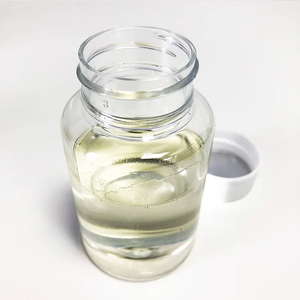
NGA TAATA HUA
Whakaahuatanga
Overview of Concrete Polycarboxylate Superplasticizer PCE for Premix Concrete
Concrete Polycarboxylate Superplasticizer PCE for Premix Concrete represents the third generation of water-reducing agents following lignin and naphthalene-based types, e whakatinana ana i te tihi o te hangarau whakauru raima hou. Ka whakamahia e tenei hua te hoahoa hanga rapoi matatau me te whakahiato ma roto i nga tukanga polymerization, ka puta mai he kaihoko whakaheke wai mahi nui me te hanganga rapoi heru. Ka tutuki te whakamararatanga o nga matūriki ciment na roto i te kaha o te aukati aukati, te whakanui ake i te mahi o te raima me nga taonga hanga. Koia te mea tino pai mo te hanga mahi teitei, teitei-kaha, me te raima teitei-roa.
Features of Concrete Polycarboxylate Superplasticizer PCE for Premix Concrete
1. Te Reiti Whakaiti-Wai Nui: Ka tutuki ki 40% whakaheke wai, he tino whakaheke i te kohi wai mo ia waeine rōrahi o te raima me te whakarato i te turanga pakari mo te hanga raima kaha-kaha me te tino-nui-kaha. (C60 me runga ake).
2. Pupuri Pupuri Pai: Ko te hangarau ahurei puhoi puhoi puhoi te pupuri i te heke, te pupuri i te pai o te mahi me te papu mo 1-2 haora. Ka tutuki tenei i nga hiahia o te kawe waka tawhiti me te hanga i nga wa wera nui.
3. inenga iti, kakama teitei: Ka whakaritea ki nga whakaheke wai tuku iho, titau te reira inenga iti (te tikanga 0.15%-0.3% i runga i te taumaha o nga rauemi cimentitious) i te wa e whakaputa ana i nga mahi nui, he pai ake nga painga ohaoha me te taiao.
4. Te Urutau Kairangi: He hototahi ki nga momo rama ciment me nga whakauru kohuke (e.g., rere pungarehu, paura kohuke, kohu hiraka), te whakatika i nga take noa penei i te whakaheke toto me te wehenga o te raima.
5. Kakariki me te Eco-Friendly: Karekau i nga matū kino penei i te formaldehyde me te nitrite i te wa e whakaputa ana, kore kino ki te tangata, taiao, me te whai ki nga whakaritenga mo te whare kaakaariki me te whanaketanga toiwhi.
6. Te Whakanuia Te Kaha Tino: Ka tutuki a 10%-15% te whakaiti i te whakamahi sima mo te kaha rite, ka tino whakanui ake ranei i te kaha raima i nga reanga katoa he rite te ihirangi sima.
7. Whakarei ake i te Raima Raima: He pai te whakaheke i te whakarea diffusion chloride, ka whakaiti i te whakaheke me te ngokingoki, me te tino whakapai ake i te koretake o te raima, ātete whakatio-rewa, me te aukati warowaiha, te whakawhānui ake i te ora ratonga hanganga.

Parameters of Concrete Polycarboxylate Superplasticizer PCE for Premix Concrete
Trick Criteria of Concrete Polycarboxylate Superplasticizer (PCE) for Premix Concrete
Reiti Whakaheke Wai
Ko te polycarboxylate superplasticizers significantly reduce the water needed in concrete mixes. A normal PCE achieves a water reduction price of 25% ki 40%. This assists generate more powerful, denser concrete without losing workability.
Pupuri Pupuri
Pai PCE products maintain concrete liquid for longer periods. Depression loss remains reduced also after 60 ki 90 meneti. This is important for ready-mix procedures where delivery time differs.
Te Manawa Kopeke
Concrete with PCE reveals higher early and last stamina. I 1 rā, strength can raise by 50% nui atu ranei. Na 28 nga ra, gains of 20% ki 30% prevail compared to blends without superplasticizers.
Huranga Pota
Ko te inenga noa 0.15% ki 0.30% i te taimaha o te raima. Exact amounts depend upon cement type, kāhua whakaranu, me te mahi pai. Always run trial sets before major use.
Hototahi
PCE works well with the majority of Rose city cements and auxiliary materials like fly ash or slag. Tonu, compatibility tests are needed. Some cements may react in different ways due to sulfate content or fineness.
Ihirangi Tukutuku Chloride
Quality PCE consists of no included chlorides. Chloride levels stay listed below 0.1% to avoid steel rust in enhanced concrete.
pH Uinga
The pH of fluid PCE typically varies from 4 ki 6. This moderate level of acidity does not damage cement hydration or final concrete high quality.
Rauemi totoka
The majority of industrial PCE options have 20% ki 40% solids. Greater solids imply less transportation expense and easier application control on website.
Te whakaurunga o te hau
Standard PCEs do not include air to concrete. If air entrainment is needed, use a different admixture designed for that purpose.

Applications of Concrete Polycarboxylate Superplasticizer PCE for Premix Concrete
Applications of Concrete Polycarboxylate Superplasticizer (PCE) for Premix Concrete
High-Performance Workability Without Bonus Water
Ko te polycarboxylate superplasticizer (PCE) is widely utilized in premix concrete to enhance flow and workability. It allows you blend concrete that spreads out quickly without including extra water. This maintains the water-cement proportion low, which directly enhances stamina and sturdiness.
Longer Downturn Retention for Better Handling
One huge advantage of PCE is its capability to hold slump with time. Ready-mix trucks frequently take a trip long distances. With PCE, the concrete remains fluid and very easy to put also after hours in transit. This decreases waste and guarantees consistent top quality at the work site.
Kaha ake, Denser Concrete Structures
Since PCE allows less water in the mix, the last concrete becomes denser. Fewer pores indicate much better resistance to water, pūhaumāota, and other hazardous aspects. This brings about longer-lasting structures, piriti, and infrastructure with much less requirement for repair work.
Adaptable Use Throughout Different Projects
PCE functions well in many sorts of premix concrete– from conventional household pieces to high-strength columns and precast aspects. You can change the dose to meet details needs like rapid setup, high very early strength, or pumping over long distances. Its adaptability makes it a best choice for modern-day concrete manufacturers.
Cleanser Combining and Less Build-up
Unlike older superplasticizers, PCE leaves less residue in mixers and pumps. This indicates cleaner equipment, less clogs, me te whakaiti i nga utu tiaki. Contractors and set plants both benefit from smoother daily procedures.
Environmentally Friendly Alternative
PCE helps reduce cement use while keeping efficiency. Lower concrete content cuts CO ₂ emissions connected to manufacturing. Many eco-friendly building tasks now define PCE-based mixes to meet sustainability objectives without giving up high quality.
Kōtaha Kamupene
Ko matou te kaihautu o te ao mo nga raima maamaa me nga otinga pahuka i hangaia. E mohiotia ana puta noa i te ao mo tana pono ki te rangahau, auahatanga, me te tohungatanga tono, kua whakaratohia e matou he otinga pahuka i hangaia mai i te timatanga o te tau 2012.
Ka taea e matou te whakarato i te whakauru raima kounga teitei me nga hua e pa ana ki te raima pahuka puta noa i te ao.
Ko te kamupene he tari hangarau ngaio me te tari tirotiro kounga, he taiwhanga pai rawa atu, me nga taputapu whakamatautau matatau me te pokapū ratonga kaihoko muri-hoko.
Mena kei te hiahia koe, tēnā koa whakapā mai ki a mātou.
Utu
T/T, Western Union, Paypal, Kaari nama etc.
Tukunga
Ma te hau, ma te moana, mā te whakapuaki, kia rite ki te tono a nga kaihoko.
5 FAQs of Concrete Polycarboxylate Superplasticizer PCE for Premix Concrete
Nga Uiuinga Auau mo te Polycarboxylate Superplasticizer (PCE) for Premix Concrete
He aha te PCE superplasticizer?
PCE superplasticizer is a high-performance chemical added to premix concrete. Ka awhina i te whakaiti i te nui o te wai e hiahiatia ana i te wa e pai ana te whakauru. Ma tenei ka kaha ake, more durable concrete without sacrificing ease of placement.
Why use PCE instead of other plasticizers?
PCE offers better slump retention than traditional plasticizers. That means the concrete stays easy to pour and shape over time. It also gives higher strength gains and works well with different cement types. Tāpiri atu, it causes less air entrainment, which helps maintain consistent quality.
How much PCE should I add to my mix?
The right dosage depends on your mix design, momo sima, me te mahi e hiahiatia ana. Ko te tikanga, 0.1% ki 0.3% i te taimaha o te sima ka nui. Me whakahaere i nga wa katoa nga roopu whakamatautau iti i te tuatahi. Too much PCE can cause segregation or excessive bleeding.
Ka taea te whakamahi PCE i te rangi wera, makariri ranei?
Ae. PCE performs well in both hot and cold conditions. I te rangi wera, it helps control slump loss. I te rangi makariri, it maintains workability without needing extra water. Heoi ano, you may need to adjust the dosage or combine it with other admixtures based on temperature.
Ka pa te PCE ki te wa whakarite?
PCE usually has a slight retarding effect, meaning it slows down the initial set a little. This can be helpful in hot climates or for long hauls. Mena he tere ake te whakarite, you can pair PCE with an accelerator. Always test your specific mix to confirm setting behavior.
TONO HE KORERO
HUA HUA
Wai Raima Whakaiti Agent Raw Material HPEG 2400

Construction Used Polycarboxylate Superplasticizer Liquid Concrete Water Reducing Agent for High Strength Concrete
Miihini Raima Raima Wairewa Waihanga Miihini Hoera Wai

Top ing Concrete Admixtures PCE Polycarboxylate Ether Superplasticizer

High Water Reducing Rate Concrete and Mortar Admixture PCE Polycarboxylate Concrete Water Reducing Agent Powder
