Lightweight Concrete Additives | High-Performance Foaming Agents for Cellular Concrete

PRODUCT PARAMETERS
Description
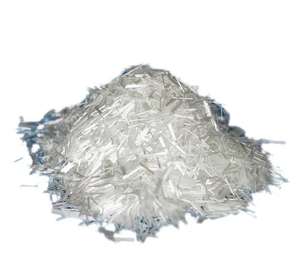
Overview of Concrete Fiber Reinforced Cement Mortar with Polypropylene Concrete Fiber
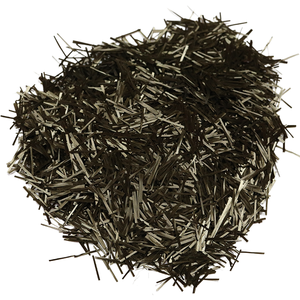
For high-impact resistance, we offer Steel Fibers, an ideal replacement for welded wire mesh in industrial floors and pre-cast elements. We also provide specialized Structural Synthetic Fibers that offer high tensile strength for demanding applications. These fibers are uniformly dispersed throughout the concrete mix, creating a multi-dimensional reinforcement network that traditional methods cannot achieve. This integrated approach simplifies construction, accelerates placement, and enhances the overall integrity and longevity of the concrete, providing a modern answer to age-old cracking and durability challenges.
Features of Concrete Fiber Reinforced Cement Mortar with Polypropylene Concrete Fiber
1. Superior Crack Control and Enhanced Durability:
The primary feature of our fibers is their ability to bridge both micro-cracks that form during the plastic state and larger cracks in hardened concrete. This three-dimensional dispersion creates a more cohesive matrix that resists crack propagation. The direct benefit is a significant reduction in both plastic shrinkage cracking and long-term crack width. This leads to a much more durable concrete with lower permeability, which in turn enhances resistance to water ingress, freeze-thaw damage, and corrosion of any embedded steel. The result is a structure with a longer service life and reduced maintenance costs.
2. Increased Impact and Abrasion Resistance:
Fibers, particularly steel and robust synthetic macro fibers, dramatically improve the concrete’s toughness and post-crack performance. They absorb and distribute energy upon impact or loading. This feature provides the benefit of a more resilient surface that is less prone to spalling, chipping, and abrasion under heavy traffic or mechanical wear. This is a critical advantage for industrial floors, warehouse pavements, and infrastructure projects, leading to a harder-wearing surface that maintains its integrity over time.
3. Construction Efficiency and Cost Savings:
A key feature of using fiber reinforcement is the elimination of welded wire mesh (WWF) in many applications. This provides immense on-site benefits: it simplifies placement, as there is no mesh to be set up or potentially displaced, and it accelerates the entire construction process. By removing a labor-intensive step, projects see reduced labor costs and faster project timelines. The uniform distribution of fibers also ensures consistent reinforcement throughout the entire concrete section, unlike mesh, which can be improperly placed, leading to more reliable and predictable performance.

Specification of Concrete Fiber Reinforced Cement Mortar with Polypropylene Concrete Fiber
Concrete Fiber Reinforced Concrete Mortar with Polypropylene Fibers
What It Is
This item is a ready-to-use concrete mortar mix. It consists of fine aggregates, Portland concrete, and particularly crafted polypropylene fibers. The fibers are uniformly spread throughout the mix to increase efficiency and longevity.
Why Use It
Polypropylene fibers aid manage cracking caused by drying out shrinkage and temperature level adjustments. They additionally boost effect resistance and reduce surface area cleaning. This makes the mortar ideal for floorings, walls, repair work, and thin-set applications where stamina and lengthy life issue.
Key Features
Split Control: Fibers act like little supports inside the mortar. They hold the product with each other even prior to fractures form.
Ease of Use: Just add water and mix. No extra steps or special tools are needed. The mix streams well and bonds highly to concrete, stonework, and other common building surfaces.
Longevity Boost: The last surface withstands wear, chipping, and abrasion better than standard mortar. It also deals with light foot web traffic earlier after positioning.
Attire Top quality: Every batch has the same fiber dosage. This ensures consistent outcomes on every task.
Just how to Apply
Prepare the surface by cleaning it completely. Eliminate oil, dust, or loose bits. Mix the completely dry powder with tidy water utilizing a mechanical mixer till smooth. Apply with a trowel or float to the desired density. Finish as needed while the mix is still convenient. Treat the surface area correctly by maintaining it damp for at the very least 1 day in completely dry or hot weather.
Storage space and Handling
Shop bags in a dry, protected area off the ground. Maintain them secured up until usage. Do not utilize if the powder has actually solidified or developed swellings. Put on handwear covers and eye protection during blending and application.
Applications of Concrete Fiber Reinforced Cement Mortar with Polypropylene Concrete Fiber
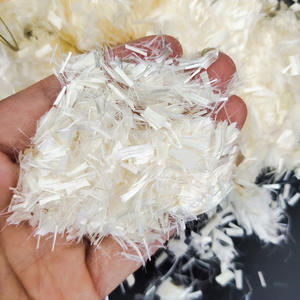
Applications of Concrete Fiber Reinforced Cement Mortar with Polypropylene Concrete Fiber
Boosted Toughness for Floors and Pavements
Polypropylene concrete fiber significantly boosts the efficiency of cement mortar made use of in industrial floors, storage facility slabs, and driveways. The fibers aid regulate splitting triggered by contraction during drying. This causes a more durable surface that withstands wear from heavy traffic and duplicated usage.
Stronger Shotcrete and Repair Work
In shotcrete applications– such as tunnel cellular linings, incline stabilization, or architectural repairs– adding polypropylene fibers raises communication and decreases rebound. The fibers hold the mix together better throughout application. They likewise improve impact resistance and decrease the threat of spalling in fire-prone locations.
Much Better Performance in Precast Components
Makers utilize fiber-reinforced mortar for precast panels, pipelines, and building components. The fibers imitate little reinforcements throughout the product. This assists avoid microcracks throughout handling, transport, and setup. The result is a cleaner finish with less surface area defects.
Boosted Plaster and Stucco Solutions
When used as outside or interior plaster, concrete mortar with polypropylene fibers reveals higher flexibility and crack resistance. It adheres well to walls and maintains honesty under temperature adjustments or small structure movements. Contractors find it easier to collaborate with since it stays consistent and does not separate conveniently.
Cost-Effective Alternate to Steel Mesh
In numerous non-structural usages, polypropylene fiber replaces standard steel mesh or cord support. It cuts labor time considering that there’s no requirement to area or connection support. The material likewise avoids rust-related problems, which can tarnish surface areas or weaken the structure gradually. This makes upkeep simpler and extends life span.
Company Profile
We are the global leader in lightweight concrete and advanced engineered foam solutions. Known globally for its commitment to research, innovation, and applied expertise, we have been providing engineered foam solutions since the early 2012’s.
We can supply high-quality concrete admixture and foam concrete related products all over the world.
The company has a professional technical department and quality supervision department, a well-equipped laboratory, and equipped with advanced testing equipment and after-sales customer service center.
If you are interested, please feel free and contact us.
Payment
T/T, Western Union, Paypal, Credit Card etc.
Shipment
By air, by sea, by express, as customers request.

5 FAQs of Concrete Fiber Reinforced Cement Mortar with Polypropylene Concrete Fiber
Frequently Asked Questions
What is Concrete Fiber Reinforced Cement Mortar?
It is a mix of cement, sand, water, and polypropylene fibers. The fibers are added to make the mortar stronger and more resistant to cracking.
Why use polypropylene fibers in mortar?
Polypropylene fibers help control shrinkage cracks. They also improve impact resistance and durability. These fibers do not rust or corrode, so they last a long time inside the mortar.
How does it improve performance?
The fibers create a network inside the mortar. This network holds the material together when stress occurs. As a result, the mortar resists cracking better and handles wear and tear more effectively.
Where is this mortar commonly used?
It is often used for floor toppings, repair work, stucco, and thin-set applications. It works well in areas that need extra toughness, like industrial floors or walls exposed to weather.
Is it hard to mix or apply?
No. You mix it like regular mortar. Just add the fibers during batching, and blend until evenly distributed. The workability stays good, and you can apply it with standard tools. No special training or equipment is needed.
REQUEST A QUOTE
RELATED PRODUCTS
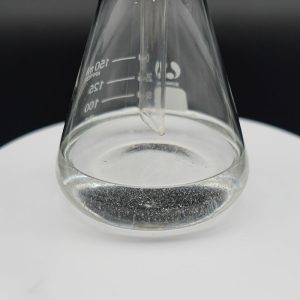
Concrete reinforcement Synthetic waved macro fibers High dispersion monofilament Polypropylene PP fibres from s
FRP Rebar Corrosion Resistant High Strength Fiberglass Rebar Support Customization

High Quality Concrete Reinforced Loose Steel Concrete Fiber
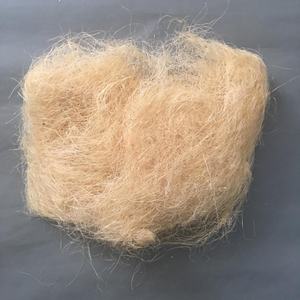
CE Certified Concrete PP Concrete Fiber Shortcut Engineering Micro Fiber for Construction Engineering

High Strength Concrete Glass Fiber Plastic Pallets for Brick Block Making Machine Brick GMT Pallet