


Lightweight Concrete Additives | High-Performance Foaming Agents for Cellular Concrete

PRODUCT PARAMETERS
Description
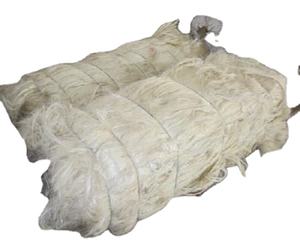
Overview of Polypropylene Polymer Macro Synthetic Structural Concrete Fiber for Concrete
For high-impact resistance, we offer Steel Fibers, an ideal replacement for welded wire mesh in industrial floors and pre-cast elements. We also provide specialized Structural Synthetic Fibers that offer high tensile strength for demanding applications. These fibers are uniformly dispersed throughout the concrete mix, creating a multi-dimensional reinforcement network that traditional methods cannot achieve. This integrated approach simplifies construction, accelerates placement, and enhances the overall integrity and longevity of the concrete, providing a modern answer to age-old cracking and durability challenges.
Features of Polypropylene Polymer Macro Synthetic Structural Concrete Fiber for Concrete
1. Superior Crack Control and Enhanced Durability:
The primary feature of our fibers is their ability to bridge both micro-cracks that form during the plastic state and larger cracks in hardened concrete. This three-dimensional dispersion creates a more cohesive matrix that resists crack propagation. The direct benefit is a significant reduction in both plastic shrinkage cracking and long-term crack width. This leads to a much more durable concrete with lower permeability, which in turn enhances resistance to water ingress, freeze-thaw damage, and corrosion of any embedded steel. The result is a structure with a longer service life and reduced maintenance costs.
2. Increased Impact and Abrasion Resistance:
Fibers, particularly steel and robust synthetic macro fibers, dramatically improve the concrete’s toughness and post-crack performance. They absorb and distribute energy upon impact or loading. This feature provides the benefit of a more resilient surface that is less prone to spalling, chipping, and abrasion under heavy traffic or mechanical wear. This is a critical advantage for industrial floors, warehouse pavements, and infrastructure projects, leading to a harder-wearing surface that maintains its integrity over time.
3. Construction Efficiency and Cost Savings:
A key feature of using fiber reinforcement is the elimination of welded wire mesh (WWF) in many applications. This provides immense on-site benefits: it simplifies placement, as there is no mesh to be set up or potentially displaced, and it accelerates the entire construction process. By removing a labor-intensive step, projects see reduced labor costs and faster project timelines. The uniform distribution of fibers also ensures consistent reinforcement throughout the entire concrete section, unlike mesh, which can be improperly placed, leading to more reliable and predictable performance.

Specification of Polypropylene Polymer Macro Synthetic Structural Concrete Fiber for Concrete
Specification of Polypropylene Polymer Macro Synthetic Structural Concrete Fiber
Item Overview
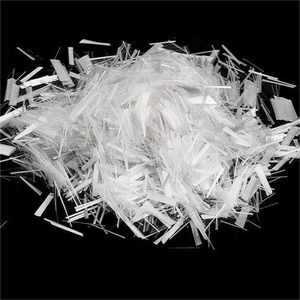
Polypropylene polymer macro artificial architectural concrete fiber is a high-performance fiber crafted for usage in concrete and shotcrete applications. It replaces typical second steel support in numerous architectural projects. The fiber enhances split control, influence resistance, and overall resilience of concrete without the corrosion threats linked to metal support.
Material and Physical Features
The fiber is made from 100% polypropylene homopolymer. It includes a distinctive surface and a deformed geometry that boosts bonding with the cement matrix. Regular length varieties from 30 mm to 60 mm. Tensile strength surpasses 500 MPa, and elastic modulus is above 5 Grade point average. Fibers are alkali-resistant and keep performance throughout the service life of concrete.
Trick Perks
Split control: The fibers lower plastic and drying contraction fractures by creating an uniform three-dimensional network within the mix.
Effect resistance: Concrete with these fibers shows better durability and power absorption under abrupt tons.
Reduce of usage: Fibers disperse easily throughout blending and do not sphere or clump. No special devices is needed.
Corrosion-free: Unlike steel, polypropylene does not corrosion, making it suitable for wet or chemically hostile environments.
Applications
This fiber appropriates for industrial floorings, sidewalks, tunnel cellular linings, precast elements, and shotcrete in mining or civil facilities. It satisfies ASTM C1116/C1116M requirements for fiber-reinforced concrete and abide by ACI 544 standards for macro-synthetic fibers.
Usage Standards
Advised dosage is 4 to 9 kg per cubic meter of concrete, relying on layout needs. Mix extensively for at least 3 to 5 mins after fiber enhancement to make sure even distribution. Requirement placement and finishing approaches apply.
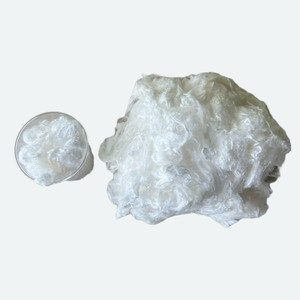
Applications of Polypropylene Polymer Macro Synthetic Structural Concrete Fiber for Concrete
Applications of Polypropylene Polymer Macro Synthetic Structural Concrete Fiber
More Powerful Concrete for Demanding Projects
Polypropylene polymer macro synthetic architectural fibers are contributed to concrete to improve its performance. These fibers help control splitting and improve toughness. They function well in applications where longevity and effect resistance matter most.
Industrial Floors That Last Longer
Rush hour, continuous loads, and frequent effects can damage normal concrete floorings. Including macro synthetic fibers decreases surface area splits and protects against spalling. This makes industrial storehouse floors, distribution centers, and manufacturing plants a lot more resistant gradually.
Safer Passage Linings and Shotcrete
In tunnel building and construction, shotcrete must stand up under pressure and resist abrupt failure. Macro fibers enhance ductility and power absorption. This means the lining stays undamaged even when ground motion or stress occurs. Workers gain from safer working conditions, and upkeep prices decline.
Trustworthy Precast Concrete Components
Precast walls, beams, and panels commonly encounter dealing with stresses before installment. Fibers aid these items survive transportation and training without hidden damage. The outcome is fewer breakages on site and faster setting up with constant quality.
Cost-Effective Pavements and Slabs
Roads, driveways, and exterior slabs revealed to weather and pack cycles carry out better with fiber reinforcement. Splits create much less usually, and joints remain tighter. This minimizes repair services and prolongs service life– without requiring extra steel rebar in a lot of cases.
Much Better Performance Without Concession
Unlike traditional steel fibers, polypropylene macro fibers do not rust. They mix easily into concrete and spread evenly. Professionals see smoother puts, fewer completing concerns, and reputable outcomes whenever. The fibers fulfill international requirements for architectural use and assistance lasting building by minimizing product waste and long-term upkeep.
Company Profile
We are the global leader in lightweight concrete and advanced engineered foam solutions. Known globally for its commitment to research, innovation, and applied expertise, we have been providing engineered foam solutions since the early 2012’s.
We can supply high-quality concrete admixture and foam concrete related products all over the world.
The company has a professional technical department and quality supervision department, a well-equipped laboratory, and equipped with advanced testing equipment and after-sales customer service center.
If you are interested, please feel free and contact us.
Payment
T/T, Western Union, Paypal, Credit Card etc.
Shipment
By air, by sea, by express, as customers request.
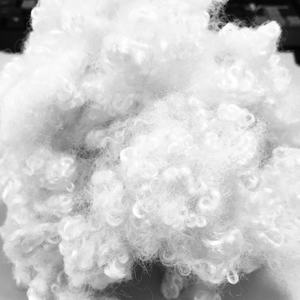
5 FAQs of Polypropylene Polymer Macro Synthetic Structural Concrete Fiber for Concrete
Frequently Asked Questions About Polypropylene Polymer Macro Synthetic Structural Concrete Fiber
What is polypropylene macro synthetic fiber used for?
This fiber strengthens concrete. It helps control cracks caused by shrinkage and impact. Builders add it to slabs, walls, pavements, and industrial floors. It works well in both new construction and repair jobs.
How does this fiber improve concrete performance?
The fibers spread evenly through the mix. They hold the concrete together when stress happens. This boosts toughness, reduces crack width, and improves durability. The concrete also resists wear and impact better after adding the fibers.
Is this fiber a replacement for steel reinforcement?
No. It does not replace rebar or welded wire mesh in structural applications. But it can reduce or eliminate secondary steel in some non-structural uses like slabs-on-grade. Always follow engineering guidelines before making changes to your design.
How is the fiber added to concrete?
You add it during mixing at the batch plant or on-site. Throw the full bundles into the mixer. They break apart quickly and disperse evenly. No special equipment is needed. Just mix a few extra minutes to make sure all fibers are fully distributed.
Does using this fiber change how I place or finish concrete?
Not much. You can use normal placing and finishing methods. The surface might show small fibers, but they do not affect smoothness. Power troweling and other standard tools work fine. Just avoid overworking the surface to keep fiber benefits intact.
REQUEST A QUOTE
RELATED PRODUCTS

steel fiber for concrete fibre reinforcement

FRP SMC Composite Concrete Fiber Manhole Cover with Open Hole
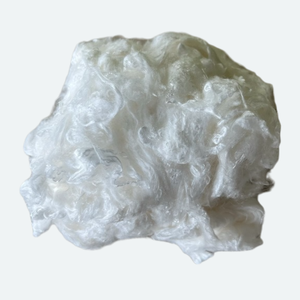
Industrial Grade Polypropylene Micro Macro Concrete Fiber Factory for Cement Concrete
High Quality Anti Crack Steel Concrete Fiber for Hot High Quality Concrete Steel Fibres

Chinese Fiberglass Strut Fiberglass Reinforced Plastic Threaded Steel Composite Steel Bar
