Lightweight Concrete Additives | High-Performance Foaming Agents for Cellular Concrete


PRODUCT PARAMETERS
Description
Overview of Polypropylene Polymer Macro Synthetic Structural Fibers for Concrete
For high-impact resistance, we offer Steel Fibers, an ideal replacement for welded wire mesh in industrial floors and pre-cast elements. We also provide specialized Structural Synthetic Fibers that offer high tensile strength for demanding applications. These fibers are uniformly dispersed throughout the concrete mix, creating a multi-dimensional reinforcement network that traditional methods cannot achieve. This integrated approach simplifies construction, accelerates placement, and enhances the overall integrity and longevity of the concrete, providing a modern answer to age-old cracking and durability challenges.
Features of Polypropylene Polymer Macro Synthetic Structural Fibers for Concrete
1. Superior Crack Control and Enhanced Durability:
característica principal nuestras fibras ge ár mfeni pa puente tanto microgrietas da forman Nxoge ar dätä plástico ne grietas mäs mña dätä jar hormigón endurecido. Nuna ar dispersión tridimensional crea 'nar matriz mäs cohesiva da resiste ar propagación grieta. Ar beneficio directo ge 'nar reducción significativa tanto jar encogimiento plástico grieta cracking ne ancho grieta ya'bu̲ plazo. 'me̲hna conduce ja 'nar hormigón xingu mäs durable ko ya menor permeabilidad, da da japi mejora ar resistencia ja ya entrada ar dehe, congelación — descongelación daños, ne corrosión 'na asero incrustado. The result is a structure with a longer service life and reduced maintenance costs.
2. Increased Impact and Abrasion Resistance:
Fibers, particularly steel and robust synthetic macro fibers, dramatically improve the concrete’s toughness and post-crack performance. They absorb and distribute energy upon impact or loading. This feature provides the benefit of a more resilient surface that is less prone to spalling, chipping, and abrasion under heavy traffic or mechanical wear. This is a critical advantage for industrial floors, warehouse pavements, and infrastructure projects, leading to a harder-wearing surface that maintains its integrity over time.
3. Construction Efficiency and Cost Savings:
A key feature of using fiber reinforcement is the elimination of welded wire mesh (WWF) in many applications. This provides immense on-site benefits: it simplifies placement, as there is no mesh to be set up or potentially displaced, ne acelera nga̲tho ar proceso nju̲ts'i. eliminando 'nar bi thogi intensivo ar 'ye̲ ar obra, 'yot'e ga reducidos ya costos ar 'ye̲ ya obra ne ya plazos ar 'be̲fi mäs rápidos. NTHEGE uniforme ya fibras 'nehe asegura ar refuerzo consistente a lo largo de toda ar sección hormigón, diferencia ar malla, nä'ä to da colocado incorrectamente, da t'ot'e 'nar rendimiento mäs confiable ne predecible.

Specification of Polypropylene Polymer Macro Synthetic Structural Fibers for Concrete
Polypropylene Polymer Macro Synthetic Structural Fibers for Concrete
Product Introduction
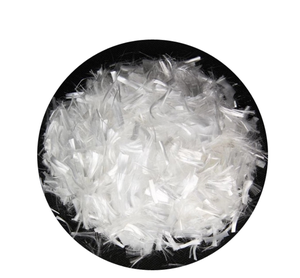
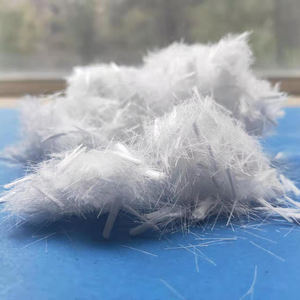
These fibers are made from 100% polypropylene They are developed to enhance the efficiency of concrete in architectural applications. The fibers have a high element proportion and surface area texture that helps them bond well with the concrete matrix.
r
The fibers withstand rust, álcalis, and a lot of chemicals located in concrete. They do not rust like steel fibers. This makes them optimal for use in damp or aggressive settings. Each fiber is engineered to distribute uniformly throughout the mix. This consistent diffusion aids control splitting and improves durability.
Especificaciones técnicas
– p : Virgin polypropylene.
– Size : 38 tamaños personalizados da 'mui 54 mm (common alternatives).
– Diameter : Ar 0.8 mm.
– Tensile Toughness : Minimum 550 MPa.
– Elastic Modulus : Alrededor 6 GPa.
– Melting Factor : Regarding 165 ° C.
– kg yá m³ : 0.91 g yá cm.
Benefits in Concrete
Including these fibers boosts impact resistance and decreases split size. They aid maintain post-crack tons capability, which is important in structural components like pieces, beam of lights, and tunnel cellular linings. The fibers likewise enhance shatter resistance and lower spalling under stress and anxiety or fire direct exposure. ngetho ya hingi metálicos, they function well with precast procedures and do not conflict with reducing or piercing.
a
Rangos ar dosificación típicos ar 4 to 8 kg per cubic meter of concrete. Mix time should be sufficient to guarantee full diffusion– nu'bu̲ da nthe̲hu̲ 'ra 3 to 5 mins after fiber enhancement. No changes to common batching or positioning treatments are required. Constantly comply with local building codes and project-specific design requirements.

Applications of Polypropylene Polymer Macro Synthetic Structural Fibers for Concrete
Applications of Polypropylene Polymer Macro Synthetic Structural Fibers in Concrete
Enhanced Fracture Control and Toughness
Polypropylene macro synthetic fibers are extensively used in concrete to control cracking. These fibers help in reducing plastic contraction cracks that create while the concrete is still fresh. They likewise restrict split sizes throughout the life span of the framework. This leads to far better longevity and longer performance.
Boosted Sturdiness and Impact Resistance
Concrete with polypropylene macro fibers shows greater toughness. The fibers take in energy when the material is under anxiety. This makes the concrete more resistant to influences, blasts, and abrupt tons. Frameworks like industrial floors, pavimentos, and armed forces bunkers benefit from this added protection.
Assistance in Shotcrete and Tunnel Linings
These fibers are frequently made use of in shotcrete applications. They change or minimize the demand for welded wire mesh in passage cellular linings and incline stablizing. The fibers blend evenly right into the concrete and stay in place throughout spraying. This boosts security on website and speeds up building and construction.
Usage in Precast and Cast-in-Place Aspects
Precast concrete items such as pipes, panels, and manholes commonly consist of polypropylene macro fibers. The fibers help hold the concrete with each other also after initial fracturing takes place. In cast-in-place wall surfaces and pieces, they supply consistent reinforcement without the handling problems of steel rebar.
Corrosion-Free Option
Ma diferencia ya fibras asero, polypropylene fibers do not corrosion. This makes them excellent for structures exposed to moisture, cloruros, or aggressive chemicals. Puentes, aquatic facilities, and wastewater therapy plants use these fibers to avoid long-term deterioration issues.
Easy Mixing and Placement
Specialists locate these fibers straightforward to add throughout batching. They spread well in conventional mixers and do not sphere up. The fibers do not interfere with completing work. This keeps the process smooth and minimizes hold-ups on duty site.
Nthuts'i ñut'i ar empresa
hogu̲ntso̲ho̲ hormigón ne nä'ä, 'nar proveedor líder admixtures hormigón mar hñets'i rendimiento, da 'ñent'i HMUNTS'UJE reductores ar dehe hormigón premium. ko ya je̲ya mfeni jar jár ta̲i global, ofrecemos soluciones avanzadas diseñadas pa mejorar ar hño ne ya dätä nt'ot'e 'yot'e nju̲ts'i jar nga̲tho ar ximha̲i. Nuestras instalaciones fabricación estado ar arte aseguran productos ar mäs xi ngu da cumplen ko ya estándares ja ya Ximhai. Ga enorgullecemos ar excepcional hontho ja ar cliente, soporte técnico, ne soluciones adaptadas pa satisfacer ndu específicas ar 'be̲fi. Asociar ko ngekagihe pa ar confiable, innovadores, ne rentables aditivos hormigón da impulsan yá 'yot'e. Explorar mäs jar www.concreteandmore.de/. Ma ga gu̲ts'i ar futuro ga̲tho!
Nu'bu̲ Nu'i gí pe̲ts'i uni nt'a̲ni, Jaki ar mäte, hingi dude jar ga japi ar jar contacto ko ngekihe.
nt'ot'e njut'i
T yá T, Western Union, PayPal, tarheta ar crédito etc.
nt'ot'e envío
ya däzabe, ir nge däzabe, ya expreso, nu'u̲ solicita ar clientes.
5 FAQs of Polypropylene Polymer Macro Synthetic Structural Fibers for Concrete
Frequently Asked Questions About Polypropylene Polymer Macro Synthetic Structural Fibers for Concrete
What are macro synthetic structural fibers?
These fibers are made from polypropylene polymer. They are longer and thicker than micro fibers. Builders add them to concrete to improve strength and control cracking.
Honja gi fibras ayudan gi hormigón?
They hold the concrete together after it cracks. 'me̲hna evita da grietas ar hyoni mäs anchu. The fibers also boost impact resistance and reduce shrinkage damage. Concrete with these fibers lasts longer under heavy use.
Can they replace steel reinforcement?
Hi'nä, they cannot fully replace steel bars or mesh. But they work well as secondary reinforcement. They help control cracks caused by drying, cambios mpat'i, or early-age stresses. Use them along with steel for best results in many applications.
¿Ya fáciles ar mezclar jar hormigón??
Hä. Gi fibras ar dispersan uniformemente Nxoge ar mezcla normal.. hingi ar mahyoni equipo hontho. Just follow standard batching procedures. Make sure the mixing time is enough so all fibers spread through the mix.
Do they affect how concrete looks or finishes?
Hingi xingu. When mixed correctly, the surface stays smooth. Finishers can trowel, stamp, or broom the surface like regular concrete. Avoid overworking the surface to keep fibers from showing. Proper placement and finishing give clean, professional results.
REQUEST A QUOTE
e
Polypropylene Micro Concrete Fiber Concrete Reinforced Fiber
Hot Promotional Glass Reinforced Concrete Mix Polypropylene Carbon Fiber
extremo gancho mextha hño agrupado asero Hormigón fibra yá fibra ar asero reforzado ar Hormigón pa hormigón
Durable Copper Coated Steel Concrete Fiber Anti Corrosion Carbon Steel for Concrete Reinforcement
500Mpa Synthetic Polypropylene Staple Macro Concrete Fiber PP Fiber for Concrete