


Lightweight Concrete Additives | High-Performance Foaming Agents for Cellular Concrete

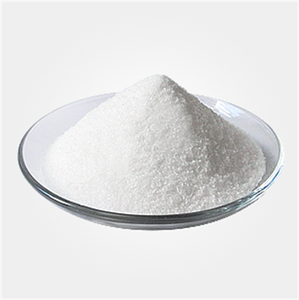
PRODUCT PARAMETERS
Description
Overview of Concrete Admixture PVA Fiber for Ultra High Performance Concrete UHPC Elements
Concrete Admixture PVA Fiber for Ultra High Performance Concrete UHPC Elements is chemical compounds added to concrete mixtures to improve various properties of the material, such as workability, strength, durability, and curing time. These additives include plasticizers, retarders, accelerators, waterproofing agents, and air-entraining agents, each designed to meet specific needs in concrete production. Concrete additives are commonly used in both commercial and residential construction, as well as in the production of precast and ready-mix concrete. By enhancing the performance and quality of concrete, these additives help improve the overall efficiency of construction projects while ensuring the durability and longevity of the finished structure. They are easy to incorporate into the mix and provide cost-effective solutions for optimizing concrete properties in a wide range of applications.
Characteristics of Concrete Admixture PVA Fiber for Ultra High Performance Concrete UHPC Elements
Enhanced Strength: Concrete additives can significantly increase the compressive strength of concrete, making it more resilient to pressure and stress. This ensures the longevity and durability of structures, reducing the likelihood of cracking or failure.
Improved Workability: Additives such as plasticizers and superplasticizers improve the flowability and consistency of concrete, making it easier to handle, pour, and finish. This enhances productivity on the construction site and reduces labor costs.
Faster Curing: Accelerators, a type of concrete additive, help speed up the curing process, allowing for quicker setting times and faster completion of projects. This is especially useful in cold weather or when fast-tracking construction timelines.
Increased Durability: Many additives, like water-reducing agents and waterproofing compounds, increase the resistance of concrete to harsh environmental conditions such as freeze-thaw cycles, water ingress, and chemical exposure, ensuring long-term performance.
Better Adhesion and Bonding: Certain additives improve the bonding between the concrete and other materials, such as reinforcing steel or aggregates, enhancing the overall structural integrity and reducing the chances of delamination or separation.
Versatility for Various Applications: Concrete additives are highly versatile and can be used in a wide range of applications, from residential buildings to large-scale infrastructure projects. They are formulated to meet specific needs such as high-strength concrete, self-compacting concrete, or durable concrete for extreme conditions.
Cost-Efficient: By improving the quality and performance of concrete, additives reduce the need for additional maintenance and repairs, leading to significant cost savings in the long term. Additionally, they help optimize the mix design, reducing material waste.
Environmentally Friendly: Many modern concrete additives are formulated with eco-friendly ingredients, contributing to more sustainable construction practices. These additives help minimize the carbon footprint and improve the environmental performance of the concrete.
Enhanced Surface Finish: Additives like air-entraining agents can improve the finish and appearance of concrete by preventing defects like cracking, honeycombing, or surface dusting, ensuring a smooth, professional-grade surface.

Specification of Concrete Admixture PVA Fiber for Ultra High Performance Concrete UHPC Elements
Requirements of PVA Fiber for Ultra-High Performance Concrete (UHPC)
Fiber Type and Material
The admixture consists of polyvinyl alcohol (PVA) fibers . These fibers are artificial, non-absorbent, and engineered specifically for usage in ultra-high performance concrete. They do not include any type of damaging additives or coatings that can weaken bond stamina with the concrete matrix.
Physical Characteristics
Size : 6 mm to 12 mm
Size : 20 to 40 micrometers
Tensile strength : Minimum 1,200 MPa
Elastic modulus : Not much less than 30 Grade point average
Thickness : Around 1.3 g/cm FIVE.
Each fiber is straight and monofilament, ensuring uniform diffusion during mixing.
Efficiency Conveniences
PVA fibers considerably enhance the durability , ductility , and fracture resistance of UHPC components. They assist regulate micro-cracking during early-age shrinking and improve post-crack behavior under tons. The fibers produce a dense, three-dimensional network inside the concrete, which enhances power absorption and impact resistance.
Mixing and Dosage
Advised dose varieties from 1.0% to 2.0% by volume of the overall mix. Add fibers gradually throughout the mixing process to stay clear of clumping. Use a high-shear mixer to ensure also circulation. Do not exceed the maximum dosage unless confirmed by trial batches.
Compatibility
These PVA fibers function well with common UHPC parts, including Rose city concrete, silica fume, quartz sand, and high-range water reducers. No unfavorable chemical reactions take place when made use of as directed. Always perform a small-scale examination set before complete production to validate workability and performance.
Storage space and Handling
Shop fibers in a dry, great area away from direct sunlight. Maintain product packaging secured up until use to prevent moisture uptake. Manage with conventional commercial safety practices– utilize handwear covers and eye defense when pouring or mixing.

Applications of Concrete Admixture PVA Fiber for Ultra High Performance Concrete UHPC Elements
Applications of Concrete Admixture PVA Fiber in Ultra-High Performance Concrete (UHPC) Aspects
Why Usage PVA Fiber in UHPC?
PVA (polyvinyl alcohol) fiber is a key admixture made use of in ultra-high efficiency concrete (UHPC). It significantly enhances the material’s toughness, ductility, and resistance to fracturing. Unlike typical steel fibers, PVA fibers do not corrode. This makes them ideal for structures revealed to wetness or harsh settings.
Key Perks in Real-World Use
When mixed into UHPC, PVA fibers aid manage micro-cracking throughout very early curing phases. They likewise enhance post-crack habits. This means that even if a split types, the concrete can still bring load without unexpected failing. The result is a safer, more resilient framework.
PVA-reinforced UHPC is frequently utilized in thin-shell architectural panels, bridge decks, and precast components. These applications take advantage of the product’s high strength and fine surface coating. Home builders likewise select it for repair work on maturing facilities due to the fact that it bonds well with old concrete and stands up to further damage.
Efficiency in Demanding Conditions
In seismic areas, UHPC with PVA fiber supplies better power absorption during quakes. Its flexibility reduces brittle crack threats. For aquatic or seaside tasks, the non-corrosive nature of PVA makes sure lengthy service life without maintenance issues tied to rust.
Manufacturers worth PVA fiber for its ease of mixing and uniform circulation in the concrete matrix. It functions well with various other UHPC parts like silica fume and superplasticizers. The end product remains convenient during placement yet gains outstanding mechanical residential or commercial properties after setting.
On the whole, PVA fiber transforms UHPC from a solid however breakable product into a resistant, high-performance composite matched for modern design challenges. Its duty continues to grow as designers seek lighter, thinner, and extra lasting architectural options.
Company Profile
We are the global leader in lightweight concrete and advanced engineered foam solutions. Known globally for its commitment to research, innovation, and applied expertise, we have been providing engineered foam solutions since the early 2012’s.
We can supply high-quality concrete admixture and foam concrete related products all over the world.
The company has a professional technical department and quality supervision department, a well-equipped laboratory, and equipped with advanced testing equipment and after-sales customer service center.
If you are interested, please feel free and contact us.
Payment
T/T, Western Union, Paypal, Credit Card etc.
Shipment
By air, by sea, by express, as customers request.
5 FAQs of Concrete Admixture PVA Fiber for Ultra High Performance Concrete UHPC Elements
Frequently Asked Questions About PVA Fiber for UHPC
What is PVA fiber used for in UHPC?
PVA (polyvinyl alcohol) fiber is added to Ultra-High Performance Concrete (UHPC) to improve its toughness and crack resistance. It helps hold the concrete together even after cracks form, which makes the final product safer and more durable.
Why choose PVA fiber over other fibers?
PVA fiber bonds well with the cement matrix in UHPC. It does not corrode like steel fibers and offers better control over shrinkage cracks. Its surface treatment also ensures strong adhesion, giving UHPC consistent performance under stress.
How much PVA fiber should be used in UHPC mix?
The typical dosage ranges from 1% to 2% by volume of the total mix. Exact amounts depend on the desired strength, ductility, and application. Always follow the manufacturer’s guidelines or run small trial batches first.
Does PVA fiber affect workability?
Yes, adding PVA fiber can reduce workability because the fibers increase internal friction. To keep the mix easy to place and compact, you may need to adjust water content or use a high-range water reducer.
Can PVA fiber be used in all types of UHPC elements?
Yes, PVA fiber works well in most UHPC applications, including thin panels, precast beams, and architectural cladding. It is especially useful where high tensile strain capacity and fine surface finish are needed. Make sure your mix design matches the element’s structural requirements.
REQUEST A QUOTE
RELATED PRODUCTS
Calcium Formate Concrete Admixture for Accelerated Setting of Concrete in Low Temperatures
Industrial Grade of High Quality Concrete and Mortar Chemical Additives Air Entraining Liquid Concrete Admixture

HEC Hydroxyethyl Cellulose Concrete Admixture for Latex Paints and Cement Based Coatings

HPMC for Concrete Admixture Raw Material in Building Construction

Concrete Admixture HPMC for Ceramic Tile Adhesive and Grout with High Water Retention
