Lightweight Concrete Additives | High-Performance Foaming Agents for Cellular Concrete


PRODUCT PARAMETERS
Description
Overview of Corrugated Steel Fibre Reinforced Concrete Refractory Wave Stainless Steel Fiber
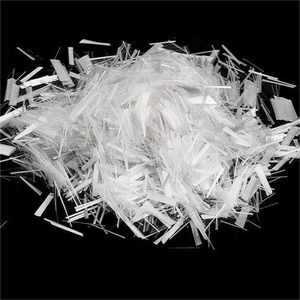
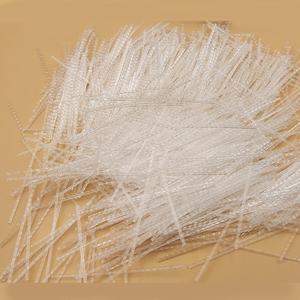
For high-impact resistance, we offer Steel Fibers, an ideal replacement for welded wire mesh in industrial floors and pre-cast elements. We also provide specialized Structural Synthetic Fibers that offer high tensile strength for demanding applications. These fibers are uniformly dispersed throughout the concrete mix, creating a multi-dimensional reinforcement network that traditional methods cannot achieve. This integrated approach simplifies construction, accelerates placement, and enhances the overall integrity and longevity of the concrete, providing a modern answer to age-old cracking and durability challenges.
Features of Corrugated Steel Fibre Reinforced Concrete Refractory Wave Stainless Steel Fiber
1. Superior Crack Control and Enhanced Durability:
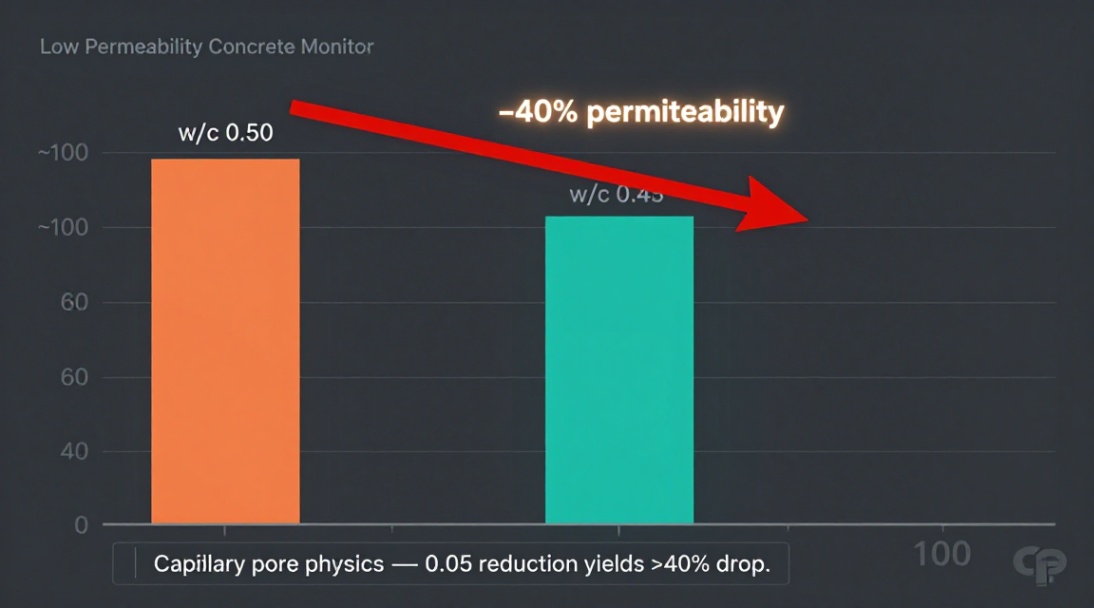
The primary feature of our fibers is their ability to bridge both micro-cracks that form during the plastic state and larger cracks in hardened concrete. This three-dimensional dispersion creates a more cohesive matrix that resists crack propagation. The direct benefit is a significant reduction in both plastic shrinkage cracking and long-term crack width. This leads to a much more durable concrete with lower permeability, which in turn enhances resistance to water ingress, freeze-thaw damage, and corrosion of any embedded steel. The result is a structure with a longer service life and reduced maintenance costs.
2. Increased Impact and Abrasion Resistance:
Fibers, particularly steel and robust synthetic macro fibers, dramatically improve the concrete’s toughness and post-crack performance. They absorb and distribute energy upon impact or loading. This feature provides the benefit of a more resilient surface that is less prone to spalling, chipping, and abrasion under heavy traffic or mechanical wear. This is a critical advantage for industrial floors, warehouse pavements, and infrastructure projects, leading to a harder-wearing surface that maintains its integrity over time.
3. Construction Efficiency and Cost Savings:
A key feature of using fiber reinforcement is the elimination of welded wire mesh (WWF) in many applications. This provides immense on-site benefits: it simplifies placement, as there is no mesh to be set up or potentially displaced, and it accelerates the entire construction process. By removing a labor-intensive step, projects see reduced labor costs and faster project timelines. The uniform distribution of fibers also ensures consistent reinforcement throughout the entire concrete section, unlike mesh, which can be improperly placed, leading to more reliable and predictable performance.

Specification of Corrugated Steel Fibre Reinforced Concrete Refractory Wave Stainless Steel Fiber
Corrugated Steel Fibre Reinforced Concrete Refractory Wave Stainless-steel Fiber
Item Overview
This item is a special kind of stainless steel fiber created use in refractory concrete. The fibers have a corrugated (curly) form. This design assists them lock securely right into the concrete mix. As a result, the last material comes to be much more powerful and a lot more resistant to breaking.
Trick Features
The fibers are made from high-quality stainless steel. They withstand warm, deterioration, and oxidation very well. Their curly surface develops much better bonding with surrounding materials. This boosts the strength and sturdiness of the concrete. These fibers additionally assist control shrinking fractures that usually show up during drying or heating cycles.
Technical Specs
– Product : Austenitic stainless-steel (generally AISI 304 or 316).
– Shape : Corrugated wave pattern.
– Size : Generally 25 mm to 60 mm.
– Diameter : Varies from 0.3 mm to 0.8 mm.
– Element Ratio (length/diameter): Normally between 50 and 100.
– Tensile Toughness : Minimum 700 MPa.
– Melting Point : Over 1400 ° C.
– Surface Condition : Tidy, free of oil and rust.
Applications
These fibers are utilized in high-temperature environments. Instances include commercial kilns, heating systems, burners, and central heating boiler linings. They work well in castable refractory systems where thermal shock resistance and architectural stability are essential. Contractors and designers select this fiber when lengthy service life and marginal upkeep are called for.
Managing and Blending
Add the fibers straight right into the mixer with other dry components. Mix completely prior to adding water. Consistent distribution is vital to getting consistent performance. Criterion security equipment like gloves and eye defense need to be worn throughout handling. Store in a dry location to prevent moisture exposure before usage.

Applications of Corrugated Steel Fibre Reinforced Concrete Refractory Wave Stainless Steel Fiber
Applications of Corrugated Steel Fibre Reinforced Concrete
Why Usage Corrugated Stainless Steel Fibres?
Corrugated stainless-steel fibers include stamina to concrete. They assist quit splits from growing. The bumpy shape locks securely right into the concrete mix. This provides better hold than straight fibers. These fibres resist corrosion and manage high warm well. That makes them ideal for tough settings.
Industrial Floor covering
Manufacturing facilities and warehouses need floors that last. Heavy machines, continuous website traffic, and effects wear down normal concrete. Including corrugated steel fibers cuts down on surface area damages. It additionally lowers the requirement for rebar or wire mesh. Floorings stay flat and strong for years with less repair work.
Passage Cellular Linings and Shotcrete
Tunnels have to sustain hefty ground stress. Contractors frequently spray concrete (shotcrete) onto passage walls. Blending in corrugated stainless steel fibers boosts strength. The fibres regulate fracturing during healing and after. They also boost safety by holding broken assemble if failing happens.
Refractory Frameworks
Heaters, kilns, and burners face extreme heat. Basic concrete would certainly stop working quick. But refractory concrete with corrugated stainless-steel fibers stands up much better. The fibers keep the material intact under thermal tension. They assist handle expansion and tightening without damaging apart.
Precast Aspects
Precast panels, pipelines, and obstructs take advantage of fiber reinforcement. Corrugated stainless steel fibres make taking care of easier. They reduced the risk of damaging throughout transportation and setup. The end product reveals less surface defects and holds shape under load.
This sort of strengthened concrete works where resilience matters most. It does well in damp, hot, or high-wear setups. Contractors choose it to cut long-lasting prices and increase reliability.
Company Introduction
Welcome to Concrete and More, a leading provider of high-performance concrete admixtures, including our premium concrete water reducers. With years of experience in the global market, we offer advanced solutions designed to enhance the quality and efficiency of construction projects worldwide. Our state-of-the-art manufacturing facilities ensure top-quality products that meet international standards. We pride ourselves on exceptional customer service, technical support, and tailored solutions to meet specific project needs. Partner with us for reliable, innovative, and cost-effective concrete admixtures that drive your projects forward. Explore more at www.concreteandmore.de/. Let’s build the future together!
If you have any questions, please feel free to contact us.
Payment Methods
T/T, Western Union, Paypal, Credit Card etc.
Shipment Methods
By air, by sea, by express, as customers request.
5 FAQs of Corrugated Steel Fibre Reinforced Concrete Refractory Wave Stainless Steel Fiber
Frequently Asked Questions
What is corrugated steel fibre reinforced concrete?
Corrugated steel fibre reinforced concrete uses special stainless steel fibres shaped like waves. These fibres mix into the concrete to make it stronger. The wave shape helps the fibres hold tightly inside the concrete. This stops cracks from spreading and makes the material last longer.
Why use stainless steel fibres instead of regular ones?
Stainless steel fibres resist rust and high heat better than regular steel. This matters in places like furnaces or chimneys where temperatures stay high. Regular steel would weaken or corrode over time. Stainless steel keeps its strength and protects the concrete for years.
How do these fibres improve concrete performance?
The fibres act like tiny supports inside the concrete. They carry stress when the concrete bends or stretches. This reduces cracking and boosts toughness. Structures become more durable and need fewer repairs. The result is safer, longer-lasting concrete with less maintenance.
Where is this type of concrete commonly used?
It works well in industrial settings that face extreme conditions. Examples include kilns, incinerators, power plants, and foundries. It also suits tunnel linings and heavy-duty floors where impact resistance matters. Any place needing strong, heat-resistant concrete can benefit from this mix.
Is installation different from normal concrete?
No major changes are needed. You mix, pour, and finish it just like regular concrete. The fibres spread evenly during mixing. Standard tools and methods still apply. Workers do not need special training. Just follow the supplier’s instructions for best results.
REQUEST A QUOTE
RELATED PRODUCTS

High Quality Soft Polypropylene PP Micro Concrete Fiber Synthetic Polyester Staple Fiber for Concrete

PP Fiber High Quality Concrete Macro Polyester PP Fiber Synthetic PP Twisted Fiber Polypropylene
Concrete Reinforcement Metallic Steel Fiber For Industrial Applications

Hot ing Pultrusion Fiberglass FRP GRP Pultruded for Construction Materials

Best Performance Refractory Ceramic Fiber Board 1400C High Zirconium Type Fireproof Ceramic Fiber Wool Board