


Lightweight Concrete Additives | High-Performance Foaming Agents for Cellular Concrete


PRODUCT PARAMETERS
Description
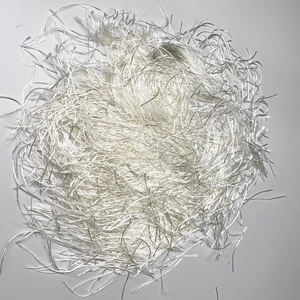
Overview of pp fiber polypropylene fiber concrete polypropylene fibers for concrete reinforcement
For high-impact resistance, we offer Steel Fibers, an ideal replacement for welded wire mesh in industrial floors and pre-cast elements. We also provide specialized Structural Synthetic Fibers that offer high tensile strength for demanding applications. These fibers are uniformly dispersed throughout the concrete mix, creating a multi-dimensional reinforcement network that traditional methods cannot achieve. This integrated approach simplifies construction, accelerates placement, and enhances the overall integrity and longevity of the concrete, providing a modern answer to age-old cracking and durability challenges.
Features of pp fiber polypropylene fiber concrete polypropylene fibers for concrete reinforcement
1. Superior Crack Control and Enhanced Durability:
The primary feature of our fibers is their ability to bridge both micro-cracks that form during the plastic state and larger cracks in hardened concrete. This three-dimensional dispersion creates a more cohesive matrix that resists crack propagation. The direct benefit is a significant reduction in both plastic shrinkage cracking and long-term crack width. This leads to a much more durable concrete with lower permeability, which in turn enhances resistance to water ingress, freeze-thaw damage, and corrosion of any embedded steel. The result is a structure with a longer service life and reduced maintenance costs.
2. Increased Impact and Abrasion Resistance:
Fibers, particularly steel and robust synthetic macro fibers, dramatically improve the concrete’s toughness and post-crack performance. They absorb and distribute energy upon impact or loading. This feature provides the benefit of a more resilient surface that is less prone to spalling, chipping, and abrasion under heavy traffic or mechanical wear. This is a critical advantage for industrial floors, warehouse pavements, and infrastructure projects, leading to a harder-wearing surface that maintains its integrity over time.
3. Construction Efficiency and Cost Savings:
A key feature of using fiber reinforcement is the elimination of welded wire mesh (WWF) in many applications. This provides immense on-site benefits: it simplifies placement, as there is no mesh to be set up or potentially displaced, and it accelerates the entire construction process. By removing a labor-intensive step, projects see reduced labor costs and faster project timelines. The uniform distribution of fibers also ensures consistent reinforcement throughout the entire concrete section, unlike mesh, which can be improperly placed, leading to more reliable and predictable performance.

Specification of pp fiber polypropylene fiber concrete polypropylene fibers for concrete reinforcement
PP Fiber– Polypropylene Fiber for Concrete Reinforcement
Strong, Dependable Support Inside Every Mix
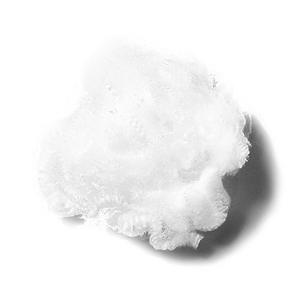
Polypropylene (PP) fibers are contributed to concrete to improve its performance. These tiny synthetic fibers blend equally right into the concrete. They aid regulate breaking triggered by contraction as the concrete dries. This makes the last structure a lot more durable and durable.
PP fibers work from the inside out. They create a network throughout the concrete matrix. This network holds the material together even under stress. The outcome is much better resistance to effect, abrasion, and surface spalling. Floors, walls, sidewalks, and precast components all take advantage of this added reinforcement.
Unlike steel fibers, PP fibers do not rust. They resist chemicals, wetness, and alkalis located in concrete. This means they stay effective for the life of the structure. Installment is basic– just include them during batching. No unique tools or dealing with are required.
These fibers likewise minimize water blood loss in fresh concrete. That brings about a more consistent surface area with fewer weak points. Specialists see fewer plastic shrinkage cracks on job sites. That conserves time and cuts repair work costs later.
PP fibers meet worldwide standards for concrete reinforcement. They are available in different sizes and does to match different project demands. Common dosage arrays from 0.6 to 1.0 kg per cubic meter of concrete. Always comply with the producer’s standards for finest results.
Whether you’re putting commercial floorings, property slabs, or shotcrete applications, PP fibers offer regular, cost-effective reinforcement. They support structural integrity without adding intricacy to your operations. Contractors, designers, and ready-mix producers trust them for daily use.
Usage PP fibers to build smarter, more powerful, and much more resistant concrete structures– each time.
Applications of pp fiber polypropylene fiber concrete polypropylene fibers for concrete reinforcement
Applications of Polypropylene Fibers in Concrete Support
Why Utilize PP Fibers in Concrete?
Polypropylene (PP) fibers are commonly made use of to improve the efficiency of concrete. These artificial fibers mix quickly into wet concrete. They help regulate splitting caused by drying out shrinking and temperature modifications. Unlike steel support, PP fibers do not rust. This makes them ideal for projects where lasting sturdiness matters.
Common Makes Use Of in Construction
Home builders include PP fibers to concrete for floors, pavements, and industrial slabs. The fibers decrease surface area cracks and boost impact resistance. In residential job, they strengthen driveways, pathways, and basement floors. Specialists likewise utilize them in shotcrete applications like tunnel linings and slope stabilization. Due to the fact that the fibers spread out evenly via the mix, they support the concrete from within.
Benefits for Tough Environments
PP fibers perform well in wet or corrosive setups. They prevail in aquatic structures, water tanks, and sewer system. Considering that the fibers stand up to chemicals and moisture, they help preserve structural honesty gradually. Fireproof concrete blends often include PP fibers too. At high temperatures, the fibers thaw and create small channels. These networks allow steam getaway, which reduces the threat of spalling during a fire.
Easy to Collaborate with
Including PP fibers does not transform regular blending or placing approaches. Workers handle fiber-reinforced concrete just like regular concrete. No special tools or training are required. The fibers come in different sizes and shapes to match numerous job requirements. Most notably, they provide constant outcomes without additional labor or cost.
Using polypropylene fibers gives builders a basic, trusted method to make stronger, much more resilient concrete. From tiny home work to big framework tasks, these fibers supply real-world value with very little initiative.
Company Introduction
Welcome to Concrete and More, a leading provider of high-performance concrete admixtures, including our premium concrete water reducers. With years of experience in the global market, we offer advanced solutions designed to enhance the quality and efficiency of construction projects worldwide. Our state-of-the-art manufacturing facilities ensure top-quality products that meet international standards. We pride ourselves on exceptional customer service, technical support, and tailored solutions to meet specific project needs. Partner with us for reliable, innovative, and cost-effective concrete admixtures that drive your projects forward. Explore more at www.concreteandmore.de/. Let’s build the future together!
If you have any questions, please feel free to contact us.
Payment Methods
T/T, Western Union, Paypal, Credit Card etc.
Shipment Methods
By air, by sea, by express, as customers request.
5 FAQs of pp fiber polypropylene fiber concrete polypropylene fibers for concrete reinforcement
Frequently Asked Questions About Polypropylene Fibers for Concrete
What are polypropylene fibers used for in concrete?
Polypropylene fibers are added to concrete to help control cracking. They work inside the mix to hold the material together when it shrinks or faces stress. This makes the concrete tougher and more durable over time.
How do these fibers improve concrete performance?
These fibers reduce early-age cracks caused by drying or temperature changes. They also boost impact resistance and help the concrete stay intact under pressure. While they don’t replace steel reinforcement, they add extra protection where needed most.
Are polypropylene fibers easy to mix into concrete?
Yes. The fibers disperse evenly during normal mixing. No special equipment is required. Just add them to the batch like other dry ingredients. They won’t clump if you follow standard mixing procedures.
Do polypropylene fibers affect the finish of concrete surfaces?
Not when used correctly. At typical dosage rates, the fibers stay hidden below the surface. Skilled finishing crews can achieve smooth, clean results without issues. Avoid overworking the surface to prevent fiber exposure.
Can these fibers be used in all types of concrete projects?
They work well in many applications—slabs, driveways, sidewalks, walls, and shotcrete. They suit both residential and commercial jobs. Always check local codes and project specs to confirm suitability. Some structural elements may still need traditional steel reinforcement.
REQUEST A QUOTE
RELATED PRODUCTS
Factory Customized Flooring Shotcrete Concrete Structural Steel Fibres Loose Hooked End Steel Fiber
Carbon Concrete Fiber Felt Products Activated Carbon Fiber Felt for Industry
High Strength Pultruded Fiberglass Square Tube for Corrosive Conditions
Customizable High-strength Concrete Grouting Additive Polypropylene Fiber With High Performance and High Toughness
Polypropylene Concrete Fiber Synthetic PP Fiber for Cement Reinforcing Concrete Additive Length 12mm 19mm 6mm
