


Mea Faaopoopo Sima Mama | Su'esu'e Foa'e maualuga mo le Sima Cellular

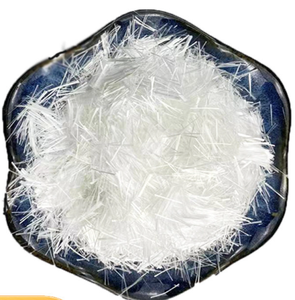
FA'AVAE FA'AVAE
Fa'amatalaga
Overview of Cement Polypropylene Reinforced Concrete Fiber Additive Staple Fiber
Mo tete'e maualuga-a'afiaga, matou te ofoina atu uamea Fibers, o se sui lelei mo mata uaea uelo i fola fale gaosimea ma elemene muamua lafo. Matou te tuʻuina atu foʻi faʻapitoa Structural Synthetic Fibers e ofoina atu le malosi maualuga mo le faʻaogaina o talosaga.. O alava ia o lo'o salalau solo i totonu o le paluga sima, faia o se feso'ota'iga fa'amalosia tele e le mafai ona ausia e auala masani. O lenei faiga tu'ufa'atasia e fa'afaigofie ai le fausiaina, faatelevaveina le tu'uina, ma fa'aleleia ai le fa'amaoni atoa ma le umi o le sima, tu'uina atu se tali fa'aonaponei i lu'itau ta'e tuai ma le tumau.
Features of Cement Polypropylene Reinforced Concrete Fiber Additive Staple Fiber
1. Pulea Ta'eta'e Sili ma Fa'aleleia le Maumau:
O le uiga autu o a tatou alava o lo latou gafatia e faʻafesoʻotaʻi uma micro-taʻetaʻe e faia i le taimi o le tulaga palasitika ma taʻe tetele i totonu o sima malo.. O lenei fa'ata'apeina e tolu-dimensional e fa'atupuina ai se matrix e sili atu ona tu'ufa'atasi e tete'e ai le fa'atupuina o ta. O le fa'amanuiaga tuusa'o o se fa'aitiitiga tele i le ta'e palasitika ma le lautele o le ta'e umi. O le mea lea e tau atu ai i se sima e sili atu ona umi ma maualalo le faʻaogaina, lea e fa'aleleia atili ai le tete'e atu i vai fa'aulu, fa'aleagaina fa'a'aisa, ma a'a o so'o se uamea fa'apipi'i. O le taunuuga o se fausaga e umi atu le ola tautua ma faʻaititia le tau o le tausiga.
2. Fa'ateleina A'afiaga ma Fa'asa'o:
Fibre, aemaise lava alava macro synthetic u'amea malosi, fa'aleleia atili le malosi o le sima ma le fa'atinoina o le ta'e. Latou te mitiia ma tufatufa atu le malosi i luga o le aʻafiaga poʻo le utaina. O lenei fa'aaliga e maua ai le fa'amanuiaga o se mea e sili atu ona maufetuuna'i e fa'aitiitia ai le fa'afefe, tipi, ma abrasion i lalo o le mamafa o taavale poʻo masini faʻainisinia. Ose tulaga taua tele lea mo fola fale gaosimea, fola faleteuoloa, ma galuega tetele, e taʻitaʻia atu i luga o se mea e sili atu ona faʻaofuofu e faʻatumauina lona faʻamaoni i le aluga o taimi.
3. Lelei Faufale ma Fa'asaoina Tau:
O se vaega autu o le faʻaaogaina o le fiber faʻamalosia o le faʻaumatiaina o le uaea faʻafefe (WWF) i le tele o talosaga. E maua ai le tele o fa'amanuiaga i luga ole laiga: e faafaigofie ai le tuu, ona e leai se mata e fa'atūina pe ono fa'ase'e, ma e faatelevaveina ai le faagasologa atoa o le fausiaina. E ala i le aveesea o se laasaga galue malosi, o poloketi e va'aia le fa'aitiitia o tau o tagata faigaluega ma fa'avave taimi fa'atulagaina o galuega. O le tufatufaina tutusa o alava e mautinoa ai foi le faʻamalosia faifaipea i le vaega sima atoa, e le pei o mata, lea e mafai ona le lelei ona tuu, e taʻitaʻia ai le faʻatuatuaina ma le faʻatinoina o galuega.


Specification of Cement Polypropylene Reinforced Concrete Fiber Additive Staple Fiber
Concrete Polypropylene Reinforced Concrete Fiber Ingredient– Staple Fiber
O Le a
This product is a sort of synthetic staple fiber made from polypropylene. It is developed to blend into cement, omea, or concrete during batching. The fibers are brief, equally cut strands that disperse well in the mix.
Aiseā e Faʻaaogaina ai
Adding these fibers helps reduce breaking brought on by plastic shrinking and drying out shrinkage. They imitate small reinforcements inside the concrete matrix. This improves the material’s durability and resistance to effect. The fibers also assist hold the concrete with each other if it starts to fracture, which increases longevity gradually.
Faiga Fa'asese
Fa'asalalauga tutusa: The fibers different conveniently and spread uniformly throughout the mix without clumping.
Alkali tetee: Polypropylene does not react with the high pH setting of concrete, so the fibers stay strong for the life of the structure.
Māmā: They include nearly no additional weight to the concrete but still deliver genuine performance advantages.
Faigofie ona fa'aoga: E leai ni meafaigaluega fa'apitoa e mana'omia. Just include the fibers during regular blending.
Talosaga masani
These fibers function well in several usual building and construction usages. You can discover them in domestic slabs, auala taavale, ala, ma fola faapisinisi. They are also utilized in precast elements, fana, stucco, ma le lipeaina o sima galuega. Anywhere you desire better split control and improved surface area honesty, this additive assists.
Fa'amatalaga Fa'apitoa
The typical fiber size ranges from 6 mm ia 19 mm. Diameter has to do with 18– 40 microns. E sili atu le malosi o tete'e 400 MPa. Melting point is around 165 °C. The fibers satisfy ASTM C1116 and other global requirements for artificial fiber support in concrete. Constantly adhere to suggested dosage rates– masani i le va 0.6 kg ma 1.2 kilokalama i mita kupita sima– based on your task needs.
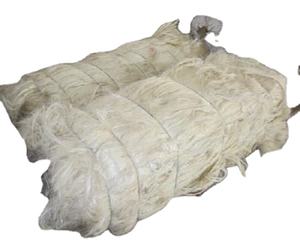
Applications of Cement Polypropylene Reinforced Concrete Fiber Additive Staple Fiber
Applications of Cement Polypropylene Reinforced Concrete Fiber Ingredient Staple Fiber
Sima sili atu le malosi mo le fa'aoga i aso uma
Including polypropylene staple fibers to concrete makes it tougher and a lot more trusted. These tiny fibers mix easily right into concrete, omea, po'o sima fa'afefiloi. They aid stop tiny cracks from creating early in the curing procedure. This suggests the final product lasts longer and stands up better under stress and anxiety.
O Fea e Fa'aaogaina
Builders utilize this fiber additive in several typical tasks. It works well in pathways, auala taavale, ma nofoaga patio. The fibers decrease surface area fracturing triggered by drying out or temperature level changes. In industrial floors, they add influence resistance and aid the surface remain smooth under hefty lots.
Cellars, puipui, and foundations also benefit. The fibers improve the concrete’s capability to manage tension and flex without breaking. This is specifically valuable in areas with changing soil or high wetness.
Spray-applied concrete, like shotcrete utilized in passages or swimming pools, gains much better communication with these fibers. They maintain the mix from dividing and lower rebound loss during application.
Why Choose Polypropylene Fibers?
These fibers are light-weight, e le pala, and do not respond with other products in concrete. They spread out evenly with the mix without clumping. E le pei o alava uamea, they won’t corrosion or tarnish surfaces. This makes them ideal for visible concrete job where look issues.
They additionally lowered the need for second support like cord mesh in slabs. That conserves time and labor on the job site. Professionals discover installment quicker and cleaner.
The fibers fulfill common building codes and are approved for domestic and commercial usage. They operate in both damp and dry mixing processes. E faigofie le avanoa e teu ai– simply keep them completely dry and away from straight sunlight.
Utilizing polypropylene staple fibers offers building contractors a useful method to boost efficiency without transforming just how they put or end up concrete. The outcome is resilient, crack-resistant structures that withstand everyday wear and climate.
Fa'amatalaga a le Kamupani
O matou o le ta'ita'i o le lalolagi i fofo mama mama ma fa'ainisinia foam fofo. Ua lauiloa i le lalolagi atoa mo lana tautinoga i suʻesuʻega, mea fou, ma fa'aoga tomai, ua matou tuʻuina atu fofo faʻainisinia foam talu mai le amataga o le 2012.
E mafai ona matou tu'uina atu mea fa'afefiloi sima maualuga ma oloa fa'atatau i sima foam i le lalolagi atoa.
O loʻo i ai i le kamupani se matagaluega faʻapitoa faʻapolofesa ma le mataʻituina lelei o le matagaluega, se falesuesue ua saunia lelei, ma faʻapipiʻiina i masini suʻesuʻe faʻapitoa ma le faʻatau atu o tagata faʻatau auaunaga.
Afai e te fiafia, faamolemole lagona le saoloto ma faafesootai matou.
Totogi
T/T, Western Union, Paypal, Credit Card etc.
utaina
E ala i le ea, i le sami, e ala i le faailoa atu, e pei ona talosagaina e tagata faatau.

5 FAQs of Cement Polypropylene Reinforced Concrete Fiber Additive Staple Fiber
Frequently Asked Questions About Cement Polypropylene Reinforced Concrete Fiber Additive Staple Fiber
O le a le mea e fa'aoga ai lenei filo?
This staple fiber is added to concrete or mortar mixes. It helps reduce cracking caused by shrinkage during drying. The fibers spread evenly through the mix and hold the material together better.
E faapefea ona faaleleia sima?
The polypropylene fibers act like tiny reinforcements inside the concrete. They control small cracks that form early in the curing process. This makes the final product tougher and more resistant to impact and wear over time.
E faigofie ona fa'afefiloi i le sima?
Ioe. You can add the fibers directly into the mixer with cement, oneone, vai, ma isi mea aoga. E leai ni meafaigaluega faʻapitoa poʻo ni laasaga e manaʻomia. E taape lelei alava ma e le pipii pe a palu lelei.
E suitulaga i le uamea fa'amalosi?
Leai. This fiber is not a substitute for rebar or welded wire mesh in structural applications. It works as a secondary reinforcement to manage micro-cracking and improve durability, but it does not carry major loads.
Pe saogalemu ma tumau?
O le alava e faia mai 100% polypropylene, which resists alkalis, acids, and moisture found in concrete. E le elea, pala, po'o le fa'aleagaina ile taimi. It also meets common construction safety standards and poses no health risk when handled normally.
TALOSAGA O SE FAI
O MEA E FAI AI
Mesh tioata sima Ar 20Cm ie sima tioata Fiber Mesh Fiberglass
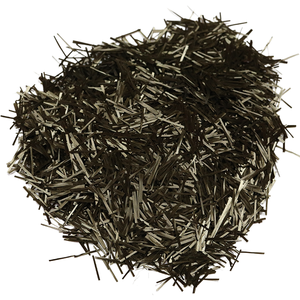
19mm PP Sima Fiber mo Sima e Faateleina ai le Malosi Sima

Tu'usa'o s 'Oti le alava tioata BMC alava tioata Fua'i Puupuu Mo sima Fa'amalosia Fa'alava
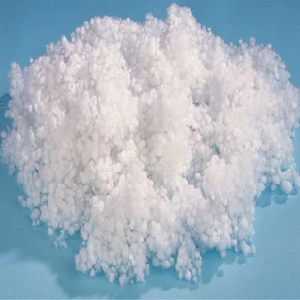
Tuuina atu Macro Micro Synthetic Polymer Polypropylene PP Fiber Sima mo Sima

4×4 5cm Fa'apipi'i a le tagata lava ia Fiber Glass Drywall Soofaatasi Papuipui Ta'e Toe Fa'amalosia Fa'amalosi Fiberglass Mesh Tape
