


Li-additives tsa Konkreite tse bobebe | Li-Agents tse Foaming tse Phahameng ka ho Fetisisa bakeng sa Konkreite ea Cellular

LITLHAKISO TSA LITŠOANTŠISO
Tlhaloso
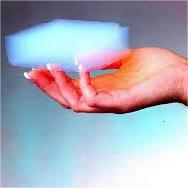
Overview of Hydrophilic Silica Aerogel Insulation Powder and Aerogel Particles
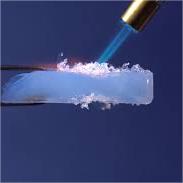
Hydrophilic Silica Aerogel Insulation Powder and Aerogel Particles is a synthetic porous ultralight material derived from a gel, moo motsoako oa mokelikeli o nketsoeng sebaka ke khase. Sephetho ke se tiileng se nang le letsoalo le tlase haholo le conductivity e tlase ea mocheso, hangata e bitsoang ka sefane “mosi o hoammeng.” Ho sa tsotellehe ponahalo ea eona e fokolang, e ka etsoa hore e be matla ka tsela e makatsang, e tšoereng sehlooho sa thepa e tiileng ka ho fetisisa e sireletsang lefatše.
Features of Hydrophilic Silica Aerogel Insulation Powder and Aerogel Particles
-
Boemo bo tlase ka ho Fetisisa ba Mocheso oa Lefatše: E fana ka ts'ebetso ea insulation e ke keng ea lekanngoa, e phahametseng lisebelisoa tsa setso.
-
Tekano e Tlase Haholo: E 'ngoe ea lisebelisoa tse thata ka ho fetisisa tse tsejoang ke motho, ka sebopeho sa ho fihlela ho 99.8% moea.
-
Sebaka se Phahameng se Phahameng: E na le sebaka sa ka hare se seholo ka mokhoa o makatsang, ho etsa hore e be ea bohlokoa bakeng sa lits'ebetso tsa ho tlhotla le ho monya.
-
Sebopeho se Fetohang: E ka etsoa ka thepa e fapaneng, ho akarelletsa le silika, khabone, le li-oxide tsa tšepe, e 'ngoe le e' ngoe e na le thepa e ikhethang.
-
Porosity e ikhethang: Sebopeho sa eona sa nanoporous se ikarabella bakeng sa bokhoni ba eona bo ikhethang ba ho sireletsa.

Ho roala ha Airgel
Specifications of Hydrophilic Silica Aerogel Insulation Powder and Aerogel Particles
Hydrophilic Silica Aerogel Insulation Powder and Particles
Litlhoko tsa Lekunutu
Botenya: Our hydrophilic silica aerogel powder has a mass density in between 40– 80 kg/m HLANO. This low thickness helps in reducing weight in insulation systems without compromising efficiency.
Thermal Conductivity: Ka mocheso oa kamore (25 °C), thermal conductivity arrays from 0.016 ho 0.020 W/(m · K). This makes it one of one of the most efficient insulating products offered for low-temperature applications.
Boholo ba Sekhechana: The aerogel bits come in numerous dimensions. Typical options consist of great powder (
Applications of Hydrophilic Silica Aerogel Insulation Powder and Aerogel Particles
Applications of Hydrophilic Silica Aerogel Insulation Powder and Aerogel Particles
Sebopeho le Kaho
Hydrophilic silica aerogel powder is widely used in walls, marulelo, le floorings. It helps in reducing warmth loss and maintains interior spaces comfy. Contractors mix it right into plasters, fana, kapa liboto tsa ho itšireletsa. This boosts thermal performance without adding much weight or thickness.
Industrial Devices
Liphaephe, lijana, and activators frequently need solid insulation to save energy. Aerogel fragments fit well right into limited areas and wrap around curved surface areas. They work at high temperatures and withstand moisture better than many conventional products. Factories utilize them to reduce power costs and improve safety.
Durable goods
Exterior gear like coats, lieta, and resting bags currently include hydrophilic aerogel powder. It adds heat without mass. Device manufacturers likewise utilize it in refrigerators and water heaters. The material aids these products run a lot more efficiently and last much longer.
Lipalangoang
Vehicles, literene, and ships benefit from lightweight insulation. Aerogel fragments go into battery packs for electrical lorries to manage heat and prevent overheating. They likewise insulate cabins and freight areas, helping maintain temperature with less energy.
Specialty Makes use of
In laboratories and cleanrooms, specific temperature control matters. Hydrophilic silica aerogel supplies secure insulation without releasing harmful particles. It’s also utilized in fire-resistant clothing and safety equipment because it does not burn conveniently and reduces warm transfer.
This material attracts attention for its reduced density, high porosity, and superb insulating power. Unlike older options, it executes well also in damp problems. Customers pick it when room, boima, or efficiency are essential problems.
Boemo ba Khoebo
Re moetapele oa lefats'e oa konkreite e bobebe le tharollo ea foam e tsoetseng pele. E tsebahala lefatšeng ka bophara ka boitlamo ba eona ba ho etsa lipatlisiso, popontshwa, le botsebi bo sebelisitsoeng, esale re fana ka tharollo ea foam e entsoeng ka boenjiniere ho tloha qalong ea 2012.
Re ka fana ka motsoako oa boleng bo holimo oa konkreite le lihlahisoa tse amanang le konkreite ea foam lefatšeng ka bophara.
Khampani e na le lefapha la litsebi tsa theknoloji le lefapha la tlhokomelo ea boleng, laboratori e nang le lisebelisoa hantle, hape e na le lisebelisoa tse tsoetseng pele tsa tlhahlobo le setsi sa litšebeletso tsa bareki ka mor'a thekiso.
Haeba u thahasella, ka kopo ikutloe u lokolohile 'me u ikopanye le rona.
Tefo
T/T, phetiso ea chelete e bitsoang western union, Paypal, Credit Card etc.
Thomello
Ka moea, ka leoatle, ka Express, joalo ka ha bareki ba kopa.

5 FAQs of Hydrophilic Silica Aerogel Insulation Powder and Aerogel Particles
Frequently Asked Questions About Hydrophilic Silica Aerogel Insulation Powder and Particles
What is hydrophilic silica aerogel insulation powder?
This powder is a lightweight material made from silica. E na le lipokothoana tse ngata tse nyane tsa moea kahare. Lipokotho tsena li tšoara moea 'me li liehisa ho phalla ha mocheso. The “hydrophilic” part means it attracts water, which helps it mix well with water-based systems like coatings or plasters.
How does it provide thermal insulation?
Heat moves slowly through the aerogel because of its nano-sized pores. These pores stop air from moving freely. That reduces both conduction and convection. Ka hoo, the material keeps heat in during winter and out during summer.
Where can I use aerogel particles?
You can add them to paints, sealants, seretse, le li-plaster. They work well in buildings, liphaephe, lisebelisoa, esita le lisebelisoa tsa ka ntle. Their fine size lets them blend smoothly without changing how the base material feels or applies.
Na ho bolokehile ho tšoara?
Ee. Phofo ha e na chefo ebile e tsitsitse lik'hemik'hale. Leha ho le joalo, you should avoid breathing in fine dust. Use gloves and a mask when mixing large amounts. Once it’s mixed into a product, ha e hlahise kotsi e eketsehileng.
Why choose hydrophilic over hydrophobic aerogel?
Hydrophilic aerogel works better in wet or humid conditions where water is part of the system. It bonds easily with cement, gypsum, or water-based resins. Hydrophobic types repel water and suit dry or oil-based applications. Pick hydrophilic if your project uses water-based materials.
KOPO KHOPO
LIHLAHISO TSE HLAHANG
Micron Activated High Purity Amorphous Fused Nano Fume Silica Airgel Powder Hydrophobic
Lipampiri tsa Silica Airgel bakeng sa Thermal Insulation mohahong le indastering
Silika Aerogel Fiyat Superb Solid Insulation Aerogel Blanket for Construction
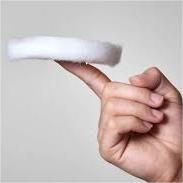
New Arrivals Aerogel Sheet Aerogel Foil Insulation for Construction

Airgel Blanket Insulation Material bakeng sa Kaho le Kaho
