


Li-additives tsa Konkreite tse bobebe | Li-Agents tse Foaming tse Phahameng ka ho Fetisisa bakeng sa Konkreite ea Cellular

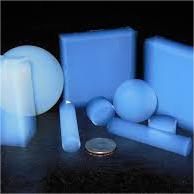
LITLHAKISO TSA LITŠOANTŠISO
Tlhaloso
Overview of Reinforced Aerogel Blanket Used as Building Insulation for Energy Efficiency
Reinforced Aerogel Blanket Used as Building Insulation for Energy Efficiency is a synthetic porous ultralight material derived from a gel, moo motsoako oa mokelikeli o nketsoeng sebaka ke khase. Sephetho ke se tiileng se nang le letsoalo le tlase haholo le conductivity e tlase ea mocheso, hangata e bitsoang ka sefane “mosi o hoammeng.” Ho sa tsotellehe ponahalo ea eona e fokolang, e ka etsoa hore e be matla ka tsela e makatsang, e tšoereng sehlooho sa thepa e tiileng ka ho fetisisa e sireletsang lefatše.
Features of Reinforced Aerogel Blanket Used as Building Insulation for Energy Efficiency
-
Boemo bo tlase ka ho Fetisisa ba Mocheso oa Lefatše: E fana ka ts'ebetso ea insulation e ke keng ea lekanngoa, e phahametseng lisebelisoa tsa setso.
-
Tekano e Tlase Haholo: E 'ngoe ea lisebelisoa tse thata ka ho fetisisa tse tsejoang ke motho, ka sebopeho sa ho fihlela ho 99.8% moea.
-
Sebaka se Phahameng se Phahameng: E na le sebaka sa ka hare se seholo ka mokhoa o makatsang, ho etsa hore e be ea bohlokoa bakeng sa lits'ebetso tsa ho tlhotla le ho monya.
-
Sebopeho se Fetohang: E ka etsoa ka thepa e fapaneng, ho akarelletsa le silika, khabone, le li-oxide tsa tšepe, e 'ngoe le e' ngoe e na le thepa e ikhethang.
-
Porosity e ikhethang: Sebopeho sa eona sa nanoporous se ikarabella bakeng sa bokhoni ba eona bo ikhethang ba ho sireletsa.

Ho roala ha Airgel
Specifications of Reinforced Aerogel Blanket Used as Building Insulation for Energy Efficiency
Strengthened Aerogel Blanket– High-Performance Building Insulation
Likarolo tsa mantlha
Ultra-Low Thermal Conductivity: This aerogel blanket supplies remarkable insulation with a thermal conductivity as low as 0.015 W/( m · K). It keeps buildings cozy in wintertime and cool in summer season, cutting down on heating & litšenyehelo tsa ho pholisa.
Durable Reinforcement: The blanket makes use of a strong fiberglass or polyester scrim ingrained within the aerogel matrix. This provides it high tensile toughness and makes it easy to handle throughout setup without tearing or falling apart.
Thin Yet Effective: Ho sa tsotellehe akhaonto ea eona e fokolang– commonly just 6 mm ho 20 mm botenya– it supplies insulation efficiency equal to much thicker typical materials like mineral wool or foam boards. This saves important area in walls, marulelo, le fuluru.
E hananang le Mongobo: The material repels water and stands up to moisture absorption. It keeps its protecting value also in wet problems, helping stop mold and mildew and architectural damages in time.
Fire Safe: The blanket is non-combustible and fulfills Course A fire safety standards. It will not add to flame spread in case of fire, adding an added layer of protection for occupants.
Lintlha tsa Tekheniki
– Botenya: 180– 220 kg/m HLANO.
– Running Temperature Array: -200 ° C ho ea +650 °C.- Ho Leleka Metsi: > 99% (per ASTM C1570).
– Mathata a Tlase: ≥ 10 kPa at 10% deformation.
– Mouwane o Dutla ka Sebopeho: Tlase, however enables regulated wetness diffusion.
– Setifikeiti: Complies with ASTM C177, IN 12667, le ISO 8301 ditlhoko.
This strengthened aerogel blanket fits effortlessly into modern energy-efficient building designs. It functions well in domestic, indasteri, and commercial applications where space, bokgabane, and long-term dependability issue the majority of.

Applications of Reinforced Aerogel Blanket Used as Building Insulation for Energy Efficiency
Reinforced Aerogel Covering: Smart Insulation for Energy-Efficient Structures
Why Pick Aerogel for Structure Insulation?
Enhanced aerogel blanket provides one of the best insulation solutions for modern buildings. It is very lightweight yet delivers superior thermal efficiency. The product’s special nanostructure traps air in little pores, which significantly reduces warmth transfer. This suggests less power is needed to warm or trendy indoor areas.
Strong and Easy to Set up
Ho fapana le lisebelisoa tse tloaelehileng tsa ho pata, reinforced aerogel coverings integrate adaptability with sturdiness. They are backed with a thin layer of textile or aluminum foil that includes strength without including much weight. This makes them very easy to cut, sebetsana le, and fit around pipes, mabota, marulelo, or dilemmas. Building contractors can mount them rapidly without special devices.
Saves Energy All The Time
Likhoeling tsa mariha, the covering maintains heat inside. Nakong ea selemo, it blocks outdoor warmth from going into. This regular performance reduces dependence on HVAC systems , reducing regular monthly energy bills. Ka mor'a nako e itseng, the cost savings build up– making aerogel not just effective but additionally affordable.
E Sireletsehile ebile e tšoarella
The covering withstands wetness, hlobo le hlobo, le mafome. It does not break down conveniently under normal building problems. Since it contains no hazardous fibers or unstable substances, it is secure for both installers and occupants. Its security makes certain insulation performance remains solid for many years.
Suitable for Tight Spaces
Area is often restricted in retrofits or high-density urban structures. Enhanced aerogel provides high R-value per inch , much better than fiberglass or mineral wool. A thinner layer accomplishes the same– or better– ho kenya letsoho, maximizing useful indoor space without jeopardizing convenience or code conformity.
Boemo ba Khoebo
Re moetapele oa lefats'e oa konkreite e bobebe le tharollo ea foam e tsoetseng pele. E tsebahala lefatšeng ka bophara ka boitlamo ba eona ba ho etsa lipatlisiso, popontshwa, le botsebi bo sebelisitsoeng, esale re fana ka tharollo ea foam e entsoeng ka boenjiniere ho tloha qalong ea 2012.
Re ka fana ka motsoako oa boleng bo holimo oa konkreite le lihlahisoa tse amanang le konkreite ea foam lefatšeng ka bophara.
Khampani e na le lefapha la litsebi tsa theknoloji le lefapha la tlhokomelo ea boleng, laboratori e nang le lisebelisoa hantle, hape e na le lisebelisoa tse tsoetseng pele tsa tlhahlobo le setsi sa litšebeletso tsa bareki ka mor'a thekiso.
Haeba u thahasella, ka kopo ikutloe u lokolohile 'me u ikopanye le rona.
Tefo
T/T, phetiso ea chelete e bitsoang western union, Paypal, Credit Card etc.
Thomello
Ka moea, ka leoatle, ka Express, joalo ka ha bareki ba kopa.
5 FAQs of Reinforced Aerogel Blanket Used as Building Insulation for Energy Efficiency
Lipotso Tse Botsoang Khafetsa: Reinforced Aerogel Blanket for Building Insulation
What is a reinforced aerogel blanket?
A reinforced aerogel blanket is a lightweight insulation material made from silica aerogel and strengthened with fibers like fiberglass or polyester. E tšoara moea ka masobeng a manyenyane, e fokotsang ho phalla ha mocheso. Sena se etsa hore e atlehe haholo ho boloka meaho e futhumetse mariha le ho pholile hlabula.
Why use it for building insulation?
This blanket offers excellent thermal performance with minimal thickness. You get high energy savings without losing much interior space. It also resists moisture and does not settle over time, so its insulating power stays strong for years.
Is it safe to install indoors?
Ee. Kobo ha e chefo ebile ha e ntše mosi o kotsi. It meets standard fire safety ratings and will not support flame spread. Leha ho le joalo, wear gloves and a mask during handling to avoid skin or lung irritation from loose fibers.
E bapisoa joang le ho kenya letsoho moetlong?
Traditional materials like fiberglass or mineral wool need more thickness to match the same R-value. Aerogel blankets achieve better insulation in half the space. They also handle moisture better and maintain performance in humid conditions where other insulations weaken.
Where can it be used in a building?
U ka e kenya marakong, marulelo, fuluru, le ho pota-pota liphaephe kapa likotopo. It works well in tight spaces like retrofits or historic buildings where adding thick insulation isn’t possible. Its flexibility allows it to fit curved or uneven surfaces without gaps.
KOPO KHOPO
LIHLAHISO TSE HLAHANG
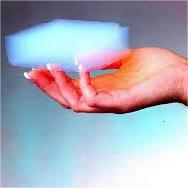
Etsa Pante e Felletseng ea Workshop Thermal Insulation Airgel Cooling Coating pente bakeng sa Marulelo le Lerako
E feletse 10 20 30mm Silica Airgel Board Sheet Heat Insulation Airgel Panel Blanket Custom
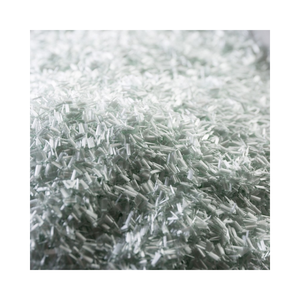
Low Thermal Conductivity 2mm Airgel Sheet Cut from Blanket for Battery in New Energy Vhicles Cars
Airgel Silica Insulation Fabric bakeng sa Jacket le Shoes Airgel Clothing
PCE Polycarboxylate Superplasticizer Concrete Water Reducer Admixture bakeng sa konkreite
