


Li-additives tsa Konkreite tse bobebe | Li-Agents tse Foaming tse Phahameng ka ho Fetisisa bakeng sa Konkreite ea Cellular


LITLHAKISO TSA LITŠOANTŠISO
Tlhaloso
Overview of Concrete Admixture Polypropylene Fibrillated Fiber for Control of Concrete Shrinkage Cracking
Concrete Admixture Polypropylene Fibrillated Fiber for Control of Concrete Shrinkage Cracking is chemical compounds added to concrete mixtures to improve various properties of the material, joalo ka ts'ebetso, matla, durability, le nako ea ho phomola. Lisebelisoa tsena li kenyelletsa li-plasticizers, bafokodi, li-accelerator, lintho tse thibelang metsi, le liente tse kenyang moea, e 'ngoe le e' ngoe e etselitsoe ho fihlela litlhoko tse khethehileng tlhahisong ea konkreite. Li-additives tsa konkreite li atisa ho sebelisoa mohahong oa khoebo le oa bolulo, hammoho le tlhahiso ea konkreite ea precast le e itokiselitseng ho kopanya. Ka ho ntlafatsa ts'ebetso le boleng ba konkreite, li-additives tsena li thusa ho ntlafatsa katleho e akaretsang ea merero ea kaho ha li ntse li netefatsa ho tšoarella le nako e telele ea mohaho o felileng.. Li bonolo ho li kenyelletsa motsoakong le ho fana ka tharollo e theko e tlaase bakeng sa ho ntlafatsa thepa ea konkreite mefuteng e mengata ea likopo..
Characteristics of Concrete Admixture Polypropylene Fibrillated Fiber for Control of Concrete Shrinkage Cracking
Matla a Matlafalitsoeng: Li-additives tsa konkreite li ka eketsa haholo matla a hatellang a konkreite, ho etsa hore e mamelle kgatello le kgatello ya maikutlo. Sena se tiisa nako e telele le ho tšoarella ha mehaho, ho fokotsa monyetla wa ho petsoha kapa ho hloleha.
Mokhoa o Ntlafetseng oa ho sebetsa: Li-additives tse kang li-plasticizers le li-superplasticizers li ntlafatsa ho phalla le ho tsitsa ha konkreite, ho etsa hore ho be bonolo ho sebetsa, tshela, le qete. Sena se eketsa tlhahiso setšeng sa kaho le ho fokotsa litšenyehelo tsa basebetsi.
Pheko e Potlako: Li-accelerator, mofuta wa tlatsetso ya konkreite, thusa ho potlakisa mokhoa oa ho folisa, ho lumella linako tsa ho beha kapele le ho phethoa ka potlako ha merero. Sena se bohlokoa haholo maemong a leholimo a batang kapa ha ho potlakisoa linako tsa kaho.
Keketseho ea ho tšoarella: Li-additives tse ngata, joalo ka lisebelisoa tse fokotsang metsi le metsoako e thibelang metsi, eketsa khanyetso ea konkreite ho maemo a thata a tikoloho joalo ka lipotoloho tsa leqhoa, ho kena ha metsi, le kgahlamelo ya dikhemikhale, ho netefatsa tshebetso ya nako e telele.
Ho khomarela ho betere le ho kopanya: Li-additives tse ling li ntlafatsa maqhama pakeng tsa konkreite le lisebelisoa tse ling, joalo ka tshepe e matlafatsang kapa mekgahlelo, ho matlafatsa botshepehi ka kakaretso ba sebopeho le ho fokotsa menyetla ya ho kgena kapa karohano.
Mefuta-futa bakeng sa Lisebelisoa tse fapaneng: Li-additives tsa konkreite li na le mekhoa e mengata haholo 'me li ka sebelisoa mefuteng e mengata ea lisebelisoa, ho tloha meahong ea bolulo ho isa mererong e meholo ea meralo ea motheo. Li entsoe ho finyella litlhoko tse khethehileng tse kang konkreite e matla haholo, ho iketsetsa konkreite, kapa konkreite e tšoarellang bakeng sa maemo a feteletseng.
Litšenyehelo-e sebetsang hantle: Ka ho ntlafatsa boleng le ts'ebetso ea konkreite, li-additives li fokotsa tlhokahalo ea tlhokomelo e eketsehileng le tokiso, e lebisang ho bolokoeng ha litšenyehelo tse kholo ka nako e telele. Ho phaella moo, li thusa ho ntlafatsa moralo oa motsoako, ho fokotsa litšila tsa lintho tse bonahalang.
Ho baballa tikoloho: Li-additives tse ngata tsa sejoale-joale tsa konkreite li entsoe ka lisebelisoa tsa eco-friendly, ho kenya letsoho mekhoeng ea kaho e tsitsitseng haholoanyane. Li-additives tsena li thusa ho fokotsa sekhahla sa khabone le ho ntlafatsa ts'ebetso ea tikoloho ea konkreite.
Qetello ea Sefahleho se Ntlafalitsoeng: Li-additives tse kang li-air-entraining agents li ka ntlafatsa qetello le ponahalo ea konkreite ka ho thibela likoli tse kang ho phunyeha, mahe a linotsi, kapa lerole la bokahodimo, ho netefatsa boreledi, bokaholimo ba boemo ba litsebi.

Specification of Concrete Admixture Polypropylene Fibrillated Fiber for Control of Concrete Shrinkage Cracking
Tlhaloso ea Concrete Admixture: Polypropylene Fibrillated Fiber for Control of Concrete Shrinkage Splitting
Tlhahlobo ea Ntho
Polypropylene fibrillated fiber is an artificial reinforcement made use of in concrete to lower contraction fracturing. It works by forming a three-dimensional network inside the concrete mix. This network holds the material together during early drying and setting stages, when cracks are most likely to form.
Leqheka le Akarelletsa
Fiber e entsoe ka 100% polypropylene It resists alkali, ha e senyehe, and stays secure in concrete in time. Each strand splits into lots of great filaments when blended, producing solid bonding with the concrete paste. This enhances the concrete’s sturdiness and assists regulate plastic and drying out contraction cracks.
Lintlha tsa Tekheniki
– Fiber Kind: Fibrilled polypropylene.
– Botenya: 0.91 g/cm PEDI.
– Thawing Factor: Hoo e ka bang 165 °C.
– Tensile Toughness: Bonyane 450 MPa.
– Elongation at Break: Hoo e ka bang 15– 25%.
– Khetho ea Bolelele: 6 mm, 12 mm, kapa 19 mm.
– Theko ea litekanyetso: Hangata ke 0.6– 1.0 lik'hilograma ka mithara ea konkreite.
Melemo ho Lisebelisoa tsa Konkreite
Adding this fiber lowers surface breaking in pieces, litselana tsa maoto, le mabota. It also improves effect resistance and aids preserve honesty under anxiety. The fibers spread equally during mixing and do not round up. Ha ho lisebelisoa tse khethehileng tse hlokahalang– typical batching and putting techniques function well.
This admixture fulfills ASTM C1116/C1116M standards for synthetic fiber reinforcement in concrete. It appropriates for household, khoebo, and commercial projects where crack control is essential. Use it in floorings, litsela tsa ho khanna, shotcrete, likarolo tsa precast, le ho feta.
The product is available in moisture-resistant packaging to make sure performance. Shop in a dry place far from direct sunlight. Mix completely to achieve uniform distribution. Appropriate treating practices should still be followed after positioning.
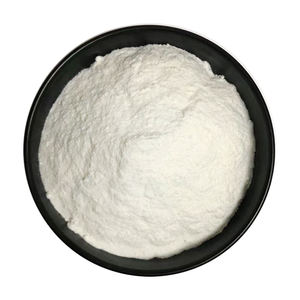
Applications of Concrete Admixture Polypropylene Fibrillated Fiber for Control of Concrete Shrinkage Cracking
Lisebelisoa tsa Concrete Admixture: Polypropylene Fibrillated Fiber for Controlling Shrinking Cracking
Why Usage Polypropylene Fibrillated Fiber?
Concrete diminishes as it dries out. This shrinking commonly triggers splits, haholo-holo ka li-slabs, litselana tsa maoto, and wall surfaces. These splits damage the structure and allow water or chemicals get in. Polypropylene fibrillated fiber is added to concrete to lower this trouble. The fibers mix evenly into the concrete and hold it together throughout early drying out.
Moo E Sebetsang Haholo
This fiber works well in many typical concrete applications. It is used in commercial floors, likotoana tsa setsi sa polokelo, litsela tsa ho khanna, litselana tsa maoto, le mabota a mokatong o ka tlase. Building contractors additionally include it to shotcrete and precast aspects. In all these cases, the fiber aids quit small fractures from developing not long after the concrete is poured.
Exactly How It Controls Splitting
When concrete beginnings to completely dry, little stresses accumulate within. Ntle le tšehetso, these stress and anxieties create visible fractures. Polypropylene fibrillated fibers imitate a surprise internet inside the mix. Ba koala li-micro-cracks pele ba hola. This keeps the surface tight and undamaged. The fibers do not replace steel rebar yet job together with it to manage early-age contraction.
Ho bonolo ho e Sebelisa ebile e na le litšenyehelo
Adding the fiber is easy. It enters into the mixer with other products. Ha ho hlokahale lisebelisoa tse ikhethang kapa koetliso. Because it minimizes fracturing, it lowers repairs and upkeep later. That saves money and time over the life of the structure. The fiber likewise enhances effect resistance and surface area sturdiness without changing just how the concrete appearances or really feels.
Tšebetso e Tšeptjoang
Specialists and engineers select polypropylene fibrillated fiber because it supplies constant outcomes. It meets market criteria and has been examined in real-world jobs for years. When contraction control issues, this admixture offers a trusted, practical option that fits smoothly right into typical concrete practices.
Boemo ba Khoebo
Re moetapele oa lefats'e oa konkreite e bobebe le tharollo ea foam e tsoetseng pele. E tsebahala lefatšeng ka bophara ka boitlamo ba eona ba ho etsa lipatlisiso, popontshwa, le botsebi bo sebelisitsoeng, esale re fana ka tharollo ea foam e entsoeng ka boenjiniere ho tloha qalong ea 2012.
Re ka fana ka motsoako oa boleng bo holimo oa konkreite le lihlahisoa tse amanang le konkreite ea foam lefatšeng ka bophara.
Khampani e na le lefapha la litsebi tsa theknoloji le lefapha la tlhokomelo ea boleng, laboratori e nang le lisebelisoa hantle, hape e na le lisebelisoa tse tsoetseng pele tsa tlhahlobo le setsi sa litšebeletso tsa bareki ka mor'a thekiso.
Haeba u thahasella, ka kopo ikutloe u lokolohile 'me u ikopanye le rona.
Tefo
T/T, phetiso ea chelete e bitsoang western union, Paypal, Credit Card etc.
Thomello
Ka moea, ka leoatle, ka Express, joalo ka ha bareki ba kopa.
5 FAQs of Concrete Admixture Polypropylene Fibrillated Fiber for Control of Concrete Shrinkage Cracking
Frequently Asked Questions About Polypropylene Fibrillated Fiber for Concrete Shrinkage Control
What is polypropylene fibrillated fiber?
Polypropylene fibrillated fiber is a synthetic material added to concrete. It looks like thin, flat strands that split into many tiny filaments when mixed. This fiber helps reduce early-age shrinkage cracks in slabs, mabota, and other concrete elements.
How does it control cracking?
Ha konkreite e omella, ea honyela. This shrinkage often causes small cracks. The fibers spread evenly through the mix and hold the concrete together as it shrinks. They act like internal reinforcement at a microscopic level, stopping cracks from forming or growing.
Na ho bonolo ho e sebelisa ka metsoako e tloaelehileng ea konkreite?
Ee. You can add the fiber during regular batching. Just put it into the mixer with other materials. No special tools or changes to your process are needed. The fiber blends well and does not clump if mixed properly.
Na e ama matla a konkreite?
The fiber does not replace steel reinforcement. It mainly targets plastic and drying shrinkage cracks. Compressive strength stays about the same. Flexural toughness may improve slightly because the fibers help hold cracked sections together.
Can it be used outdoors and indoors?
Ee. This fiber works in both indoor and outdoor applications. E hanela mongobo, lik'hemik'hale, le khanya ea UV. Common uses include driveways, litselana tsa maoto, mekato ea polokelo, basement walls, le stucco. It performs well in all typical weather conditions.
KOPO KHOPO
LIHLAHISO TSE HLAHANG
Concrete Admixture PP Micro Fiber 3mm 6mm 9mm bakeng sa Seretse sa Cement le Concrete

Hydroxypropyl Methyl Cellulose HPMC Concrete Admixture for Tile Adhesive and Wall Putty
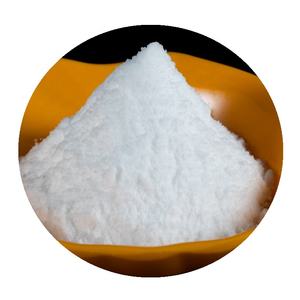
Concrete Admixture VAE Powder for Flexible Cementitious Repair Mortars

Indasteri Grade Concrete Admixture Superfine Graphene Oxide GO Powder bakeng sa Konkreite ea Ts'ebetso e Phahameng
Redispersible Polymer Powder RDP Concrete Admixture for Exterior Wall Insulation and Finish Systems
