


Li-additives tsa Konkreite tse bobebe | Li-Agents tse Foaming tse Phahameng ka ho Fetisisa bakeng sa Konkreite ea Cellular


LITLHAKISO TSA LITŠOANTŠISO
Tlhaloso
Overview of High Performance GFRP Fiberglass Bar Glass Concrete Fiber Rebar Epoxy Composite for Concrete Reinforcement
Bakeng sa khanyetso e phahameng, re fana ka Steel Fibers, sebaka se loketseng bakeng sa letlooeng la terata le cheselitsoeng mekatong ea liindasteri le lintho tse entsoeng esale pele. Re boetse re fana ka li-Structural Synthetic Fibers tse khethehileng tse fanang ka matla a phahameng a ts'ebetso bakeng sa lits'ebetso tse batloang haholo. Likhoele tsena li hasane ka mokhoa o ts'oanang ho pholletsa le motsoako oa konkreite, ho theha marang-rang a matlafatso a mahlakore a mangata ao mekhoa ea setso e ke keng ea e finyella. Mokhoa ona o kopaneng o nolofatsa kaho, potlakisa ho beha, le ho matlafatsa botšepehi bo akaretsang le bophelo bo bolelele ba konkreite, ho fana ka karabo ea sejoale-joale ho mathata a khale a ho petsoha le ho tšoarella.
Features of High Performance GFRP Fiberglass Bar Glass Concrete Fiber Rebar Epoxy Composite for Concrete Reinforcement
1. Taolo e Phahameng ea Crack le Matla a Matlafalitsoeng:
Ntho ea mantlha ea likhoele tsa rona ke bokhoni ba bona ba ho koala mapetso a manyane a hlahang nakong ea polasetiki le mapetsong a maholo a konkreite e thata.. Phatlalatso ena ea mahlakore a mararo e theha matrix e momahaneng haholoanyane e hananang le phatlalatso ea crack. Melemo e tobileng ke ho fokotseha ho hoholo ha ho phunyeha ha polasetiki ka bobeli le bophara ba nako e telele. Sena se lebisa ho konkreite e tšoarellang haholo e nang le matla a tlase, seo ka sona se matlafatsang kganetso ya metsi a kenang, tshenyo ya ho qhoqhoa, le ho bola ha tšepe efe kapa efe e kentsoeng. Sephetho ke sebopeho se nang le nako e telele ea tšebeletso le litšenyehelo tse fokolitsoeng tsa tlhokomelo.
2. Keketseho ea Tšusumetso le Khahlano ea Abrasion:
Likhoele, haholo-holo tšepe le li-macro fibers tse matla tsa maiketsetso, ntlafatsa haholo ho tiea ha konkreite le ts'ebetso ea kamora ho phatloha. Li monya le ho aba matla ha li ama kapa ha li laeloa. Tšobotsi ena e fana ka molemo oa sebaka se tsitsitseng haholoanyane se sa rateheng ho spalling, ho qhetsola, le abrasion tlas'a sephethephethe se seholo kapa moaparo oa mochini. Ena ke monyetla oa bohlokoa bakeng sa mekato ea indasteri, litselana tsa polokelo, le diporojeke tsa mafaratlhatlha, e lebisang sebakeng se apereng ka thata haholo se bolokang botshepehi ka nako.
3. Sebetsa sa Kaho le Poloko ea Litšenyehelo:
Tšobotsi ea bohlokoa ea ho sebelisa fiber reinforcement ke ho felisoa ha letlooeng le cheselitsoeng (WWF) lits'ebetsong tse ngata. Sena se fana ka melemo e mengata sebakeng sa marang-rang: e nolofatsa ho beha, kaha ha ho na mesh e lokelang ho hlongoa kapa e ka tlosoang, mme e akofisa tshebetso yohle ya kaho. Ka ho tlosa mohato o boima oa mosebetsi, merero e bona litšenyehelo tse fokotsehileng tsa basebetsi le linako tse potlakileng tsa merero. Kabo e tšoanang ea likhoele e boetse e tiisa matlafatso e tsitsitseng ho pholletsa le karolo eohle ea konkreite, ho fapana le letlooeng, e ka bewang ka tsela e sa lokang, se lebisang tshebetsong e tshepehang le e lebelloang.

Specification of High Performance GFRP Fiberglass Bar Glass Concrete Fiber Rebar Epoxy Composite for Concrete Reinforcement
High-Performance GFRP Fiberglass Rebar for Concrete Reinforcement
Tiileng, Boima bo bobebe, and Corrosion-Resistant
Our high-performance GFRP (Glass Fiber Reinforced Polymer) rebar supplies a smart alternative to standard steel reinforcement. It is made from continuous glass fibers bonded with a durable epoxy resin. This offers the bar exceptional tensile strength while keeping it light in weight– about one-fourth the density of steel.
No rust. Ha ho tlhokomelo. Ho fapana le tšepe, GFRP rebar will not wear away when exposed to wetness, letsoai, or harsh chemicals. This makes it optimal for use in bridges, liforeimi tsa metsing, sebaka sa ho paka, and wastewater treatment plants– anywhere long-term toughness issues.
E Hlahisitsoe Bakeng sa Tšebeliso ea 'Nete ea Lefatše
The surface area of each GFRP bar features a ribbed pattern that makes certain solid bonding with concrete. This mechanical hold assists move stress and anxiety successfully between the rebar and bordering concrete, preserving structural stability under lots.
Non-conductive and non-magnetic. These properties make GFRP rebar best for sensitive atmospheres like MRI rooms, diteishene tsa motlakase, or interaction facilities where steel disturbance need to be avoided.
Setup is much easier and faster. Workers can reduce the bars on-site with standard devices. No hefty training devices is needed due to the reduced weight. This decreases labor prices and quicken construction timelines.
All our GFRP rebars meet or go beyond global requirements for composite reinforcement, including ASTM D7957 and CSA S807. Each set goes through rigorous quality assurance to assure regular efficiency.
Pick GFRP fiberglass rebar when you require a dependable, resilient remedy that resists rust, cuts installment time, and sustains lasting framework. It’s engineered for today’s toughest structure difficulties– without the disadvantages of steel.

Applications of High Performance GFRP Fiberglass Bar Glass Concrete Fiber Rebar Epoxy Composite for Concrete Reinforcement
High-Performance GFRP Rebar for Modern Concrete Building And Construction
E matla, Boima bo bobebe, and Corrosion-Free Reinforcement
Conventional steel rebar can corrosion when subjected to dampness, letsoai, kapa lik'hemik'hale. This compromises concrete over time. GFRP (Glass Fiber Reinforced Polymer) rebar resolves this trouble. It is made from high-strength fiberglass strands wrapped in epoxy material. The outcome is a reinforcement bar that will not wear away– ever.
GFRP rebar evaluates concerning one-fourth as high as steel. This makes it much easier to take care of, sepalangoang, le kenya. Workers can cut it with easy devices on-site. No heavy tools is needed. Faster setup means reduced labor costs and much shorter project timelines.
Suitable for Requiring Environments
This material works well in places where corrosion is a major worry. Believe coastal bridges, likarache tsa ho paka makoloi, limela tsa phekolo ea metsi a litšila, and aquatic structures. It also executes dependably in cool environments where de-icing salts are made use of. Because GFRP does not perform electricity or heat, it is secure near sensitive electronic devices and in areas with extreme temperature level swings.
Fulfills Design Requirements
Modern GFRP rebar meets strict worldwide requirements for tensile stamina, mamello, and bond performance with concrete. Its strength-to-weight proportion commonly goes beyond that of steel. While it behaves differently under tons than metal, engineers can make with it using established guidelines. Correctly developed GFRP-reinforced concrete delivers long service life with very little upkeep.
Lasting and Cost-efficient In Time
Although the ahead of time expense may be more than steel, GFRP rebar reduces lifetime expenses. There is no need for protective layers, cathodic defense systems, or constant repair services. Structures last much longer with much less downtime. For owners and service providers focused on toughness and lifecycle worth, GFRP rebar is a wise selection.
Boemo ba Khoebo
Re moetapele oa lefats'e oa konkreite e bobebe le tharollo ea foam e tsoetseng pele. E tsebahala lefatšeng ka bophara ka boitlamo ba eona ba ho etsa lipatlisiso, popontshwa, le botsebi bo sebelisitsoeng, esale re fana ka tharollo ea foam e entsoeng ka boenjiniere ho tloha qalong ea 2012.
Re ka fana ka motsoako oa boleng bo holimo oa konkreite le lihlahisoa tse amanang le konkreite ea foam lefatšeng ka bophara.
Khampani e na le lefapha la litsebi tsa theknoloji le lefapha la tlhokomelo ea boleng, laboratori e nang le lisebelisoa hantle, hape e na le lisebelisoa tse tsoetseng pele tsa tlhahlobo le setsi sa litšebeletso tsa bareki ka mor'a thekiso.
Haeba u thahasella, ka kopo ikutloe u lokolohile 'me u ikopanye le rona.
Tefo
T/T, phetiso ea chelete e bitsoang western union, Paypal, Credit Card etc.
Thomello
Ka moea, ka leoatle, ka Express, joalo ka ha bareki ba kopa.
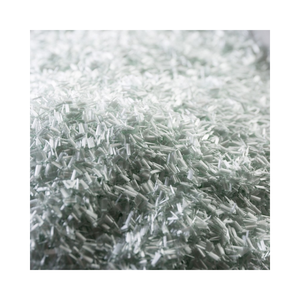
5 FAQs of High Performance GFRP Fiberglass Bar Glass Concrete Fiber Rebar Epoxy Composite for Concrete Reinforcement
Lipotso Tse Botsoang Khafetsa
What is GFRP rebar made of?
GFRP rebar is built from glass fibers wrapped in a vinyl ester or epoxy resin. Motsoako ona o etsa hore ho be le matla, lightweight bar used to reinforce concrete. Ha e na tšepe leha e le efe.
Why choose GFRP over steel rebar?
GFRP rebar will not rust. It works well in wet, letsoai, or chemically harsh places where steel would corrode. E boetse e boima ba hoo e ka bang karolo ea bone ea boima ba tšepe, ho etsa hore ho be bonolo ho jara le ho kenya. Hape, ha e tsamaise motlakase kapa hona ho kena-kenana le matshwao a radio.
Is GFRP rebar strong enough for construction?
Ee. GFRP rebar has high tensile strength—often higher than standard steel rebar. It handles pulling forces very well. Leha ho le joalo, its behavior under bending or compression differs from steel, so designs must follow proper engineering guidelines.
Where is GFRP rebar commonly used?
You’ll find GFRP rebar in bridges near oceans, likarache tsa ho paka makoloi, limela tsa metsi a litšila, le meaho ea metsing. It’s also used in MRI rooms, lithanele, and any project where long life and low maintenance matter.
Does GFRP rebar meet building codes?
Ee. GFRP rebar meets standards like ACI 440.1R, CSA S806, and ASTM D7957. Always check local regulations and work with a qualified engineer to ensure your design complies with current codes.
KOPO KHOPO
LIHLAHISO TSE HLAHANG
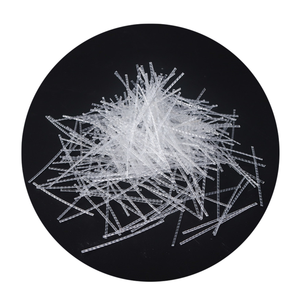
Polypropylene Staple Concrete Fiber bakeng sa Concrete Glass Fibers Reinforced Concrete Panels Polypropylene Macro Staple Fiber

1800C Refractory Airgel Vacuum Insulated Panel Ceramic Fiber Board Hot
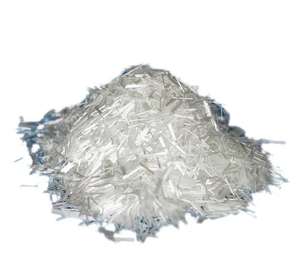
4 ho 40mm Epoxy Composite Rebar Fiberglass Rebar Basalt Rebar
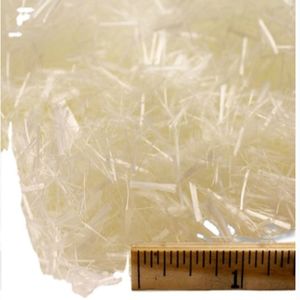
Feme ea Feme e Embossed Macro Concrete Fiber Polypropylene

Lignin Wood Cellulose Fiber Bakeng sa Asphalt Concrete Reinforcement Thickening Crack Resistance
