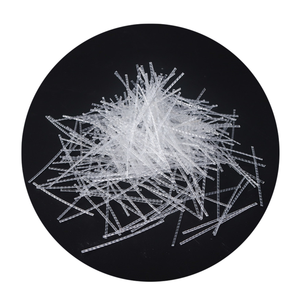
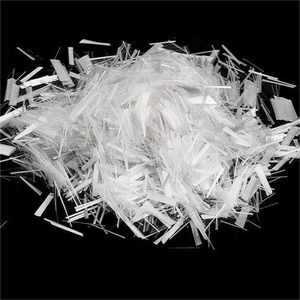
Overview of Polypropylene Concrete Fiber for Concrete PP Fibers Concrete Fibers
Bakeng sa khanyetso e phahameng, re fana ka Steel Fibers, sebaka se loketseng bakeng sa letlooeng la terata le cheselitsoeng mekatong ea liindasteri le lintho tse entsoeng esale pele. Re boetse re fana ka li-Structural Synthetic Fibers tse khethehileng tse fanang ka matla a phahameng a ts'ebetso bakeng sa lits'ebetso tse batloang haholo. Likhoele tsena li hasane ka mokhoa o ts'oanang ho pholletsa le motsoako oa konkreite, ho theha marang-rang a matlafatso a mahlakore a mangata ao mekhoa ea setso e ke keng ea e finyella. Mokhoa ona o kopaneng o nolofatsa kaho, potlakisa ho beha, le ho matlafatsa botšepehi bo akaretsang le bophelo bo bolelele ba konkreite, ho fana ka karabo ea sejoale-joale ho mathata a khale a ho petsoha le ho tšoarella.
Features of Polypropylene Concrete Fiber for Concrete PP Fibers Concrete Fibers
1. Taolo e Phahameng ea Crack le Matla a Matlafalitsoeng:
Ntho ea mantlha ea likhoele tsa rona ke bokhoni ba bona ba ho koala mapetso a manyane a hlahang nakong ea polasetiki le mapetsong a maholo a konkreite e thata.. Phatlalatso ena ea mahlakore a mararo e theha matrix e momahaneng haholoanyane e hananang le phatlalatso ea crack. Melemo e tobileng ke ho fokotseha ho hoholo ha ho phunyeha ha polasetiki ka bobeli le bophara ba nako e telele. Sena se lebisa ho konkreite e tšoarellang haholo e nang le matla a tlase, seo ka sona se matlafatsang kganetso ya metsi a kenang, tshenyo ya ho qhoqhoa, le ho bola ha tšepe efe kapa efe e kentsoeng. Sephetho ke sebopeho se nang le nako e telele ea tšebeletso le litšenyehelo tse fokolitsoeng tsa tlhokomelo.
2. Keketseho ea Tšusumetso le Khahlano ea Abrasion:
Likhoele, haholo-holo tšepe le li-macro fibers tse matla tsa maiketsetso, ntlafatsa haholo ho tiea ha konkreite le ts'ebetso ea kamora ho phatloha. Li monya le ho aba matla ha li ama kapa ha li laeloa. Tšobotsi ena e fana ka molemo oa sebaka se tsitsitseng haholoanyane se sa rateheng ho spalling, ho qhetsola, le abrasion tlas'a sephethephethe se seholo kapa moaparo oa mochini. Ena ke monyetla oa bohlokoa bakeng sa mekato ea indasteri, litselana tsa polokelo, le diporojeke tsa mafaratlhatlha, e lebisang sebakeng se apereng ka thata haholo se bolokang botshepehi ka nako.
3. Sebetsa sa Kaho le Poloko ea Litšenyehelo:
Tšobotsi ea bohlokoa ea ho sebelisa fiber reinforcement ke ho felisoa ha letlooeng le cheselitsoeng (WWF) lits'ebetsong tse ngata. Sena se fana ka melemo e mengata sebakeng sa marang-rang: e nolofatsa ho beha, kaha ha ho na mesh e lokelang ho hlongoa kapa e ka tlosoang, mme e akofisa tshebetso yohle ya kaho. Ka ho tlosa mohato o boima oa mosebetsi, merero e bona litšenyehelo tse fokotsehileng tsa basebetsi le linako tse potlakileng tsa merero. Kabo e tšoanang ea likhoele e boetse e tiisa matlafatso e tsitsitseng ho pholletsa le karolo eohle ea konkreite, ho fapana le letlooeng, e ka bewang ka tsela e sa lokang, se lebisang tshebetsong e tshepehang le e lebelloang.
Polypropylene Concrete Fiber for Concrete PP Fibers Concrete Fibers
Specification of Polypropylene Concrete Fiber for Concrete PP Fibers Concrete Fibers
Polypropylene Concrete Fiber Spec
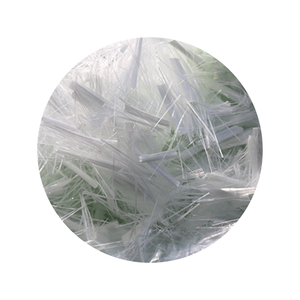
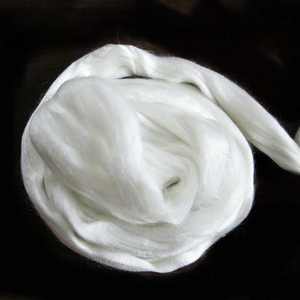
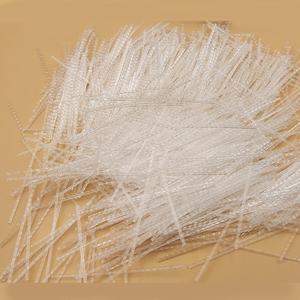
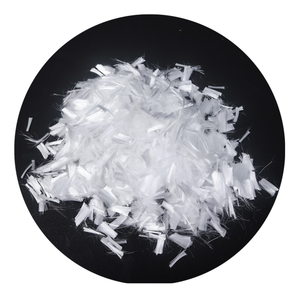
Tlhahlobo ea Sehlahisoa Polypropylene concrete fibers are artificial fibers made from 100% pure polypropylene These fibers blend easily into concrete, seretse, kapa samente. They help regulate plastic shrinkage breaking and enhance the general sturdiness of the material.
Leqheka le Akarelletsa
Li-fibers li ntle, monofilament strands with a smooth surface. They withstand antacids, metsi, and chemicals found in cement. This means they last long inside concrete without breaking down. The fibers do not corrosion or rust like metal fibers. They additionally do not absorb dampness, so they stay secure during blending and healing.
Litšobotsi Tsa 'Meleng
– Sehlahisoa : 100% polypropylene e sa tsoakoang.
– Moriti : Commonly white or off-white
– Bolelele : Typical dimensions range from 6 mm ho 19 mm
– Boholo : Hoo e ka bang 18– 32 microns
– Tensile stamina : Bonyane 450 MPa
– Sebaka se qhibilihang : About 165 °C.
– Botenya : 0.91 g/cm tsheletseng
. Melemo ka Konkreite When included in wet concrete, these fibers spread out evenly. They create a 3D network that holds the mix with each other. This minimizes early fractures triggered by drying out or temperature changes. The fibers also boost impact resistance and decrease surface area cleaning. Completed surface areas end up being extra durable and much less likely to spall under stress.
Litaelo tsa Tšebeliso
Sebelisa 0.6– 1.0 kg of fiber per cubic meter of concrete for conventional applications. For higher efficiency demands, such as commercial floorings or shotcrete, sebelisa ho fihlela 1.5 kg/m PEDI. Add fibers throughout the first mixing phase. Kopanya bonyane 3– 5 metsotso ho etsa bonnete ba ho hasana ka botlalo. Ha ho lisebelisoa tse khethehileng tse hlokahalang– standard concrete mixers function well.
Specification Compliance These fibers fulfill ASTM C1116/C1116M criteria for synthetic fiber-reinforced concrete. They likewise comply with EN 14889-2 standards for polymer-based fibers made use of in construction.
Polypropylene Concrete Fiber for Concrete PP Fibers Concrete Fibers
Applications of Polypropylene Concrete Fiber for Concrete PP Fibers Concrete Fibers
Lisebelisoa tsa Polypropylene Concrete Fiber
Why Make Use Of Polypropylene Fibers in Concrete?
Polypropylene concrete fibers are contributed to concrete mixes to improve efficiency. These synthetic fibers help control splitting caused by contraction during drying out. They additionally enhance influence resistance and reduce surface area wear.
Tloaelehileng e Sebelisa Kahong
Builders utilize polypropylene fibers in many kinds of jobs. They work well in property pieces, litsela tsa ho khanna, litselana tsa maoto, le libaka tsa patio. The fibers stop tiny fractures from growing into bigger problems. This implies fewer fixings and longer-lasting surface areas.
In industrial structures, these fibers go into storehouse floors, meralo ea ho paka, le ho tlatsa li-docks. Rush hour and constant use put tension on concrete. Polypropylene fibers absorb some of that stress and anxiety. This maintains the surface area undamaged and risk-free.
Industrial sites additionally benefit. Lisebelisoa tsa tlhahiso, workshops, and storage areas need hard flooring. Including fibers aids the concrete manage hefty tons and resist chipping or spalling.
Specialized Applications
Polypropylene fibers are made use of in shotcrete and splashed concrete applications. Lithanele, inclines, and pool usually rely on this approach. The fibers hold the mix with each other during splashing and after it establishes. This results in much better communication and much less rebound waste.
They are additionally common in precast concrete products like pipelines, diphanele, le litšitiso. The fibers include internal assistance without changing exactly how the product is made. This makes manufacturing simpler and more regular.
Leqheka Melemo
These fibers do not rust or corrode. They blend conveniently into damp concrete without clumping. Service providers appreciate just how straightforward they are to utilize– no extra tools or actions are needed. Simply add them to the batch like any other ingredient.
Polypropylene fibers enhance sturdiness without lowering workability. The ended up concrete stays very easy to place, boemo, le bokahodimo. Ka nako yona eo, it obtains much better longevity against everyday deterioration.
Boemo ba Khoebo
Re moetapele oa lefats'e oa konkreite e bobebe le tharollo ea foam e tsoetseng pele. E tsebahala lefatšeng ka bophara ka boitlamo ba eona ba ho etsa lipatlisiso, popontshwa, le botsebi bo sebelisitsoeng, esale re fana ka tharollo ea foam e entsoeng ka boenjiniere ho tloha qalong ea 2012.
Re ka fana ka motsoako oa boleng bo holimo oa konkreite le lihlahisoa tse amanang le konkreite ea foam lefatšeng ka bophara.
Khampani e na le lefapha la litsebi tsa theknoloji le lefapha la tlhokomelo ea boleng, laboratori e nang le lisebelisoa hantle, hape e na le lisebelisoa tse tsoetseng pele tsa tlhahlobo le setsi sa litšebeletso tsa bareki ka mor'a thekiso.
Haeba u thahasella, ka kopo ikutloe u lokolohile 'me u ikopanye le rona.
Tefo
T/T, phetiso ea chelete e bitsoang western union, Paypal, Credit Card etc.
Thomello
Ka moea, ka leoatle, ka Express, joalo ka ha bareki ba kopa.
Polypropylene Concrete Fiber for Concrete PP Fibers Concrete Fibers
5 FAQs of Polypropylene Concrete Fiber for Concrete PP Fibers Concrete Fibers
Polypropylene concrete fibers are tiny synthetic strands added to concrete mixes. They help control cracking caused by shrinkage as the concrete dries. These fibers mix evenly into the concrete and act like a support net inside the material.
Why use PP fibers in concrete?
PP fibers improve the toughness of concrete. They reduce early-age cracks, matlafatsa khanyetso, le ho etsa hore bokaholimo bo tšoarelle. Ho fapana le likhoele tsa tšepe, ha li ruse. This makes them ideal for projects where long-term appearance and low maintenance matter.
Ke lokela ho eketsa fiber e kae ho motsoako oa ka oa konkreite?
Boholo ba merero e sebelisa pakeng tsa 0.5 ho 1.5 pounds of PP fibers per cubic yard of concrete. Kamehla latela litaelo tsa moetsi. Ho honyenyane haholo ho ka 'na ha se ke ha thusa hakaalo. Too much can make mixing hard or weaken the final product.
Etsa likhoele tsena sebaka sa ho matlafatsa tšepe?
Che. PP fibers are not a substitute for rebar or wire mesh in structural applications. Li sebetsa hantle ka ho fetisisa e le matlafatso ea bobeli. Their main job is to limit small cracks and improve surface performance, not carry heavy loads.
Are polypropylene fibers easy to work with?
Ee. These fibers blend well during normal mixing. Ha li qhekelle haeba li kentsoe ka nepo. Basebetsi ba ka beha, qeta, le ho phekola konkreite joalo ka metsoako e tloaelehileng. Ha ho hlokahale lisebelisoa tse khethehileng kapa koetliso. The final surface looks smooth and clean.