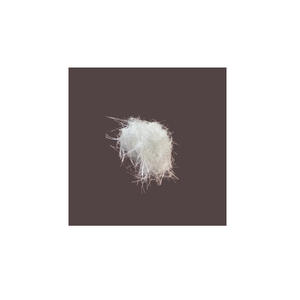
Li-additives tsa Konkreite tse bobebe | Li-Agents tse Foaming tse Phahameng ka ho Fetisisa bakeng sa Konkreite ea Cellular


LITLHAKISO TSA LITŠOANTŠISO
Tlhaloso
Overview of Short cut Fiber Glass Fiber for Concrete Reinforcement Construction Various Specifications and Models of Fiberglass
Bakeng sa khanyetso e phahameng, re fana ka Steel Fibers, sebaka se loketseng bakeng sa letlooeng la terata le cheselitsoeng mekatong ea liindasteri le lintho tse entsoeng esale pele. Re boetse re fana ka li-Structural Synthetic Fibers tse khethehileng tse fanang ka matla a phahameng a ts'ebetso bakeng sa lits'ebetso tse batloang haholo. Likhoele tsena li hasane ka mokhoa o ts'oanang ho pholletsa le motsoako oa konkreite, ho theha marang-rang a matlafatso a mahlakore a mangata ao mekhoa ea setso e ke keng ea e finyella. Mokhoa ona o kopaneng o nolofatsa kaho, potlakisa ho beha, le ho matlafatsa botšepehi bo akaretsang le bophelo bo bolelele ba konkreite, ho fana ka karabo ea sejoale-joale ho mathata a khale a ho petsoha le ho tšoarella.
Features of Short cut Fiber Glass Fiber for Concrete Reinforcement Construction Various Specifications and Models of Fiberglass
1. Taolo e Phahameng ea Crack le Matla a Matlafalitsoeng:
Ntho ea mantlha ea likhoele tsa rona ke bokhoni ba bona ba ho koala mapetso a manyane a hlahang nakong ea polasetiki le mapetsong a maholo a konkreite e thata.. Phatlalatso ena ea mahlakore a mararo e theha matrix e momahaneng haholoanyane e hananang le phatlalatso ea crack. Melemo e tobileng ke ho fokotseha ho hoholo ha ho phunyeha ha polasetiki ka bobeli le bophara ba nako e telele. Sena se lebisa ho konkreite e tšoarellang haholo e nang le matla a tlase, seo ka sona se matlafatsang kganetso ya metsi a kenang, tshenyo ya ho qhoqhoa, le ho bola ha tšepe efe kapa efe e kentsoeng. Sephetho ke sebopeho se nang le nako e telele ea tšebeletso le litšenyehelo tse fokolitsoeng tsa tlhokomelo.
2. Keketseho ea Tšusumetso le Khahlano ea Abrasion:
Likhoele, haholo-holo tšepe le li-macro fibers tse matla tsa maiketsetso, ntlafatsa haholo ho tiea ha konkreite le ts'ebetso ea kamora ho phatloha. Li monya le ho aba matla ha li ama kapa ha li laeloa. Tšobotsi ena e fana ka molemo oa sebaka se tsitsitseng haholoanyane se sa rateheng ho spalling, ho qhetsola, le abrasion tlas'a sephethephethe se seholo kapa moaparo oa mochini. Ena ke monyetla oa bohlokoa bakeng sa mekato ea indasteri, litselana tsa polokelo, le diporojeke tsa mafaratlhatlha, e lebisang sebakeng se apereng ka thata haholo se bolokang botshepehi ka nako.
3. Sebetsa sa Kaho le Poloko ea Litšenyehelo:
Tšobotsi ea bohlokoa ea ho sebelisa fiber reinforcement ke ho felisoa ha letlooeng le cheselitsoeng (WWF) lits'ebetsong tse ngata. Sena se fana ka melemo e mengata sebakeng sa marang-rang: e nolofatsa ho beha, kaha ha ho na mesh e lokelang ho hlongoa kapa e ka tlosoang, mme e akofisa tshebetso yohle ya kaho. Ka ho tlosa mohato o boima oa mosebetsi, merero e bona litšenyehelo tse fokotsehileng tsa basebetsi le linako tse potlakileng tsa merero. Kabo e tšoanang ea likhoele e boetse e tiisa matlafatso e tsitsitseng ho pholletsa le karolo eohle ea konkreite, ho fapana le letlooeng, e ka bewang ka tsela e sa lokang, se lebisang tshebetsong e tshepehang le e lebelloang.

Specification of Short cut Fiber Glass Fiber for Concrete Reinforcement Construction Various Specifications and Models of Fiberglass
Route Fiberglass for Concrete Reinforcement
E matla, Light-weight Support for Modern Construction
Route fiberglass fibers are made to mix right into concrete and improve its performance. These fibers help quit fractures from creating and spreading. They additionally make the concrete tougher and extra sturdy gradually.
The fibers are available in different lengths and thicknesses. Boholo bo tloaelehileng bo fapana ho tloha ho 6 mm ho 19 mm. The size is typically between 10 le 15 microns. You can pick the best dimension based on your task requires. Shorter fibers function well in thin layers like overlays or shotcrete. Longer fibers provide much better support in thick slabs or structural aspects.
Each fiber has an unique finishing. This coating helps it bond snugly with the concrete paste. Excellent bonding means the fibers share stress and anxiety uniformly throughout the mix. That leads to fewer vulnerable points and better general stamina.
These fibers do not rust. They stand up to chemicals and wetness extremely well. That makes them ideal for use in damp locations, below ground structures, or locations with high salt direct exposure. They additionally do not perform electricity, which adds safety and security in specific applications.
You can include short cut fiberglass directly into the mixer during batching. No added devices or steps are required. The fibers expanded easily and remain uniformly distributed. This conserves time and cuts labor prices on site.
Different models suit various jobs. Some are created for high-impact resistance. Others concentrate on managing plastic shrinkage splits right after putting. All fulfill international top quality criteria for building and construction materials.
Using short cut fiberglass decreases the requirement for steel mesh or rebar in non-structural applications. That accelerates job and decreases product weight. The outcome is cleaner finishes and less complex placement– particularly in complicated forms or tight areas.
Trick specifications include :.
– Lintho tse bonahalang : E-glass or AR-glass.
– Boholo : 6 mm, 12 mm, 19 mm (mekhoa e meng e tloaelehileng).
– Theko ea litekanyetso : 0.6– 1.2 lik'hilograma ka mithara ea konkreite.
– Moriti : White or off-white.
– Sephutheloana sa lihlahisoa : 20 kg bags or bulk boxes.
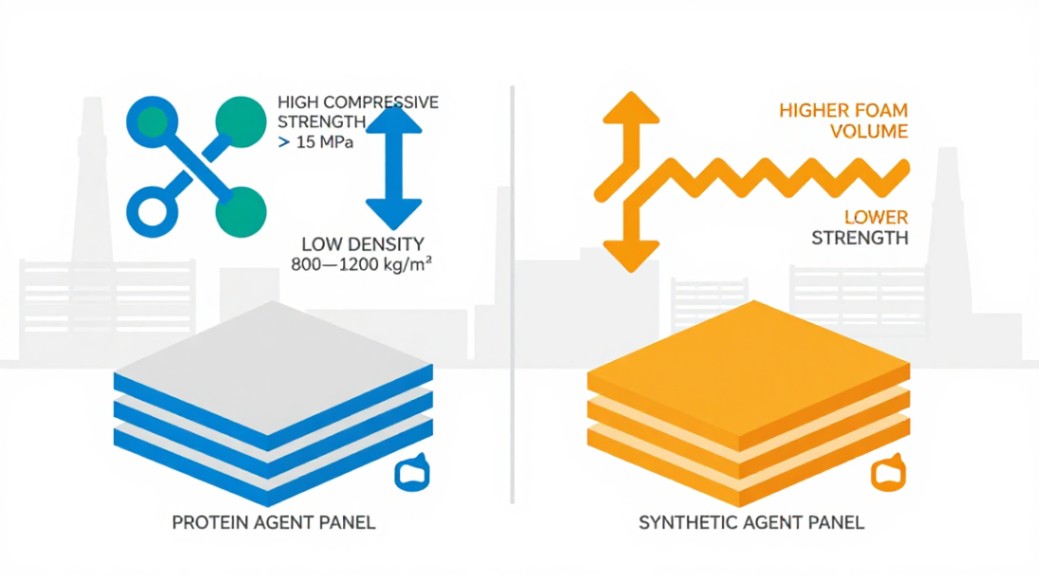
Applications of Short cut Fiber Glass Fiber for Concrete Reinforcement Construction Various Specifications and Models of Fiberglass
Short-Cut Fiberglass for Concrete Support
Konkreite e Matla haholoanyane, Simpler Combining
Short-cut fiberglass fibers are included directly to concrete blends to improve stamina and resilience. These little fibers spread uniformly through the mix. They aid hold the concrete together also after fractures start to develop. This makes the final structure tougher and a lot more immune to damage.
Contractors make use of these fibers in many sorts of tasks. You’ll locate them in pathways, litsela tsa ho khanna, khoebo floorings, le liphanele tsa precast. They also work well in shotcrete and stucco applications. The fibers reduce shrinking splits that frequently look like concrete dries. That indicates less repairs and longer-lasting surface areas.
Multiple Sizes, One Objective: Tshebetso e Ntle
We offer fiberglass fibers in different lengths and densities. Mefuta e tloaelehileng e kenyelletsa 6 mm, 12 mm, le 19 mm. Each size fits a certain job. Much shorter fibers mix quickly right into fine concrete or mortar. Longer ones give additional strength to durable pieces or wall surfaces.
All our fibers are made from premium E-glass. Ba ema ho alkaline, which is very important due to the fact that concrete is extremely alkaline. This makes certain the fibers stay strong inside the concrete for many years. They will not corrosion like steel fibers. They also do not glob throughout mixing when utilized correctly.
Including fiberglass is simple. Just throw the right amount right into the mixer with your other products. Ha ho lisebelisoa tse ikhethang kapa mehato e hlokahalang. Many mixes demand in between 0.5 ho 2.0 kilos per cubic meter of concrete. Adhere to the guidelines for your job kind.
These fibers improve effect resistance and flexural toughness. They likewise help regulate fracturing from temperature level changes or drying. That’s why contractors choose them for both new builds and repair. The result is cleaner pours, haholo ho hlokomela, and frameworks that stand up much better with time.
Kenyelletso ea Khampani
Rea u amohela ho Concrete le Tse ling, mofani ea ka sehloohong oa li-admixtures tsa konkreite tse sebetsang hantle, ho kenyelletsa le lisebelisoa tsa rona tse fokotsang metsi tsa konkreite. Ka phihlelo ea lilemo tse ngata 'marakeng oa lefatše, re fana ka litharollo tse tsoetseng pele tse etselitsoeng ho ntlafatsa boleng le katleho ea merero ea kaho lefatšeng ka bophara. Mehaho ea rona ea morao-rao ea tlhahiso ea lihlahisoa e netefatsa lihlahisoa tsa boleng bo holimo tse finyellang litekanyetso tsa machaba. Re motlotlo ka tšebeletso e ikhethang ea bareki, tšehetso ea tekheniki, le litharollo tse lokiselitsoeng ho fihlela litlhoko tse khethehileng tsa morero. Kopana le rona bakeng sa ho tšepahala, boiqapelo, le li-admixtures tsa konkreite tse theko e boima tse tsamaisang merero ea hau pele. Ithute haholoanyane ho www.concreteandmore.de/. Ha re aheng bokamoso hammoho!
Haeba u na le lipotso, ka kopo ikutloe u lokolohile ho ikopanya le rona.
Mekhoa ea Tefo
T/T, phetiso ea chelete e bitsoang western union, Paypal, Credit Card etc.
Mekhoa ea ho Romela
Ka moea, ka leoatle, ka Express, joalo ka ha bareki ba kopa.
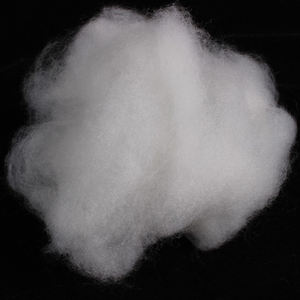
5 FAQs of Short cut Fiber Glass Fiber for Concrete Reinforcement Construction Various Specifications and Models of Fiberglass
Frequently Asked Questions About Short Cut Fiberglass for Concrete Reinforcement
What is short cut fiberglass used for in concrete?
Short cut fiberglass fibers are mixed into concrete to make it stronger. They help stop cracks from forming and spreading. This makes the concrete last longer and handle stress better.
How does fiberglass reinforcement compare to steel mesh?
Fiberglass does not rust like steel. It is lighter and easier to mix into concrete. You do not need to place or tie it by hand. Likhoele li hasana ka ho lekana ka motsoako, giving consistent support without extra labor.
What lengths and types are available?
We offer short cut fiberglass in many sizes. Bolelele bo tloaelehileng ke 6 mm, 12 mm, le 19 mm. Some fibers have a smooth surface. Others are coated or textured to bond better with cement. Choose the type that fits your project needs.
Ke lokela ho eketsa fiber e kae ho motsoako oa ka oa konkreite?
The right amount depends on your goal. For basic crack control, use about 0.6 ho 1.0 lik'hilograma ka mithara ea konkreite. For higher strength or impact resistance, you may use up to 2.0 kg ka dikubiki mithara. Always follow the product guide or ask a technical expert.
Can I use fiberglass fibers in all kinds of concrete work?
Ee. Likhoele tsena li sebetsa hantle ka li-slabs, litselana tsa maoto, litsela tsa ho khanna, mabota, le likarolo tsa precast. They are also good for shotcrete and repair jobs. Just make sure your mixing method spreads the fibers evenly so they perform as expected.
KOPO KHOPO
LIHLAHISO TSE HLAHANG

Ho Khanyetso ho Matlafalitse 6mm PP Cement Fiber bakeng sa Lerako la Konkreite
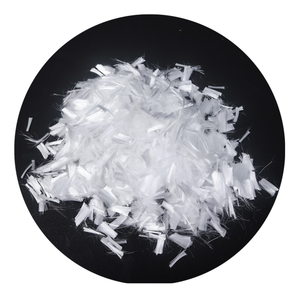
High Performance Glass Concrete Fiber Rebar Industrial Construction Durable FRP Profile Basalt Fiberglass Rebar
Mosebetsi o Molemo ka ho Fetisisa oa 1800C Refractory Fiber Board Polycrystalline Mullite Insulation Ceramic Fiber Cotton Board
Polypropylene Fiber PP Fiber for Concrete Concrete Fiber
high tenity 12mm monofilament polypropylene fiber e matlafalitsoeng bakeng sa kaho