Li-additives tsa Konkreite tse bobebe | Li-Agents tse Foaming tse Phahameng ka ho Fetisisa bakeng sa Konkreite ea Cellular

LITLHAKISO TSA LITŠOANTŠISO
Tlhaloso
Introduction to Cellulose Ether Hydroxypropyl Methyl Cellulose HPMC Used for Facades Tile Adhesives
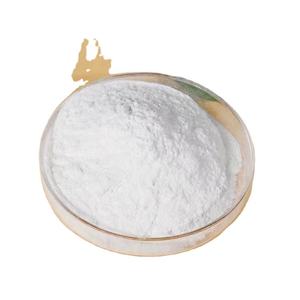
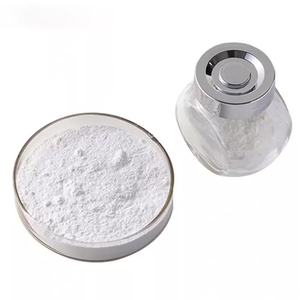
Hydroxypropyl methylcellulose (HPMC), eo lebitso la hae la Sechaena e leng hydroxypropyl methylcellulose, ke semi-synthetic, non-ionic cellulose ether e fumanoang ka ho fetola lik'hemik'hale selulose ea tlhaho. Phofo ena e tšoeu e ka etsa tharollo e hlakileng ea viscous ka mor'a hore e qhibilihe ka metsing. E na le thickening e babatsehang, ho boloka metsi, botsitso le thepa ea ho etsa lifilimi. Ke tlatsetso ea bohlokoa ea mesebetsi e mengata mafapheng a mangata joalo ka kaho.
Characteristics and advantages of Cellulose Ether Hydroxypropyl Methyl Cellulose HPMC Used for Facades Tile Adhesives
Ho qhibiliha ha metsi hantle: E ka qhibiliha ka potlako metsing a batang ho etsa tharollo e hlakileng le e tsitsitseng.
Bokhoni bo sebetsang ba ho tiisa le ho boloka metsi: Eketsa viscosity ea lintho tse bonahalang, ka katleho fokotsa mouoane oa metsi, le ho ntlafatsa katleho ea mosebetsi.
Botsitso bo botle: E na le botsitso bo botle ho li-acids, alkalis, le matsoai, mme e loketse mefuta e mengata ya pH ya boleng.
Ho etsa lifilimi le litlamorao tse sireletsang: Kamora ho omisa, e etsa filimi e thata le e hlakileng ho sireletsa substrate le ho thibela ho kenella ha metsi le ho fetoha mouoane.
E se nang chefo ebile e sa tenehe: E na le biocompatibility e ntle mme e loketse masimo a meriana le lijo.
Ho fetoha: Ka ho fetola tekanyo ea ho fetola le boima ba molek'hule, tshebetso ea eona e ka fetoloa ho finyella litlhoko tse fapaneng tsa kopo.

Specifications of Cellulose Ether Hydroxypropyl Methyl Cellulose HPMC Used for Facades Tile Adhesives
Specs of Cellulose Ether Hydroxypropyl Methyl Cellulose (HPMC) for Facade Floor Tile Adhesives
Leqheka Likarolo tsa 'Mele le Lik'hemik'hale
Sheba: E tšoeu ho isa ho beige phofo e sa lefelloeng. No visible impurities.
Particle Dimension: 95% travels through an 80-mesh screen. Guarantees even mixing and smooth texture in glue solutions.
Methoxy Content: Ka tloaelo lipakeng 19% le 24%. This array supports solid attachment and workability.
Hydroxypropoxy Content: Generally from 4% ho 12%. Aids control water retention and open time.
Mongobo oa Websaete: Maximum 5%. Reduced wetness prevents clumping and maintains item security during storage.
pH Boleng (2% tharollo): E fapana ho tloha 6.0 ho 8.0. Neutral pH prevents negative responses with cement or other components.
Botenya (2% tšebeletso ho 20 °C): Available in grades from 4,000 ho 100,000 mPa · s. Greater viscosity improves water retention and droop resistance on upright surfaces.
Lits'ebetso tsa Ts'ebetso ho Likhomaretsi tsa Lithaele tsa Ceramic
HPMC acts as a water retention agent. It maintains water in the mix long enough for concrete to moisten fully. This results in more powerful bond strength.
It likewise functions as a thickener. The paste becomes less complicated to spread out and stays where it is applied– especially crucial for wall floor tiles.
HPMC e matlafatsa ts'ebetso. Employees can readjust floor tile placement within a practical time window without shedding bond.
The item withstands enzymatic failure. This means regular efficiency also in warm or moist problems.
Excellent compatibility with redispersible polymer powders, starch ethers, and various other common additives utilized in modern ceramic tile adhesives.
Sebaka sa polokelo le Ho tšoara
Boloka HPMC ka mokhoa o makatsang, sebaka se omileng. Boloka linkho li koetsoe ha li sa sebelisoe. Avoid exposure to moisture or straight sunlight. Service life is commonly one year under correct conditions. Handle with typical commercial health practices– utilize gloves and prevent breathing dust.
Applications of Cellulose Ether Hydroxypropyl Methyl Cellulose HPMC Used for Facades Tile Adhesives
Applications of Cellulose Ether HPMC in Frontage Ceramic Tile Adhesives
Why HPMC Issues for Ceramic Tile Adhesives on Building Facades
Hydroxypropyl Methyl Cellulose (HPMC) is an essential component in contemporary ceramic tile adhesives utilized on building frontages. It helps the sticky stick better, work much longer, and execute reliably under various climate condition.
E Ntlafatsa Tshebetso
HPMC makes the sticky simpler to blend and spread out. Workers can use it efficiently without extra initiative. This conserves time and decreases waste during setup.
Prolongs Open Time
Open time is for how long the glue remains useful after it’s applied. HPMC e liehisa tahlehelo ea metsi, so tiles can be changed or repositioned even after a number of minutes. This is especially valuable on big or complicated facade tasks.
Increases Water Retention
Excellent water retention guarantees concrete in the glue hydrates completely. Ntle le metsi a lekaneng, tlamo e qetella e fokola. HPMC e tšoara metsi ka har'a motsoako, bring about more powerful, a lot more long lasting attachment.
Improves Sag Resistance
When installing floor tiles on upright surface areas, the adhesive need to remain in area without gliding down. HPMC gives the mix the best thickness and structure to hold heavy ceramic tiles securely on wall surfaces.
Works in All Seasons
HPMC carries out well in both hot and cold weather condition. Nakong ea selemo, it prevents the mix from drying too quick. Mariha, it assists preserve consistent healing. This dependability sustains year-round construction timetables.
Builders and manufacturers pick HPMC because it provides constant outcomes with minimal threat. It mixes quickly into dry-mix formulations and does not affect the final appearance of the tiled surface area. Ka HPMC, appearance floor tile adhesives meet high criteria for safety, bophelo bo bolelele, and ease of use on real-world task websites.
Boemo ba Khoebo
Re moetapele oa lefats'e oa konkreite e bobebe le tharollo ea foam e tsoetseng pele. E tsebahala lefatšeng ka bophara ka boitlamo ba eona ba ho etsa lipatlisiso, popontshwa, le botsebi bo sebelisitsoeng, esale re fana ka tharollo ea foam e entsoeng ka boenjiniere ho tloha qalong ea 2012.
Re ka fana ka motsoako oa boleng bo holimo oa konkreite le lihlahisoa tse amanang le konkreite ea foam lefatšeng ka bophara.
Khampani e na le lefapha la litsebi tsa theknoloji le lefapha la tlhokomelo ea boleng, laboratori e nang le lisebelisoa hantle, hape e na le lisebelisoa tse tsoetseng pele tsa tlhahlobo le setsi sa litšebeletso tsa bareki ka mor'a thekiso.
Haeba u thahasella, ka kopo ikutloe u lokolohile 'me u ikopanye le rona.
Tefo
T/T, phetiso ea chelete e bitsoang western union, Paypal, Credit Card etc.
Thomello
Ka moea, ka leoatle, ka Express, joalo ka ha bareki ba kopa.

5 FAQs of Cellulose Ether Hydroxypropyl Methyl Cellulose HPMC Used for Facades Tile Adhesives
Frequently Asked Questions About HPMC in Facade Tile Adhesives
HPMC ke eng le hore na ke hobane'ng ha e sebelisoa ho li-adhesives tsa lithaele?
HPMC e emetse Hydroxypropyl Methyl Cellulose. It is a cellulose ether made from natural cellulose. Builders add it to tile adhesives because it helps the mix stay smooth, sebetsa, le ho khomarela. E boetse e thibela metsi ho tlohela sekhomaretsi ka potlako haholo, which lets the cement hydrate properly.
HPMC e ntlafatsa ts'ebetso joang?
HPMC makes the adhesive easier to spread with a trowel. It gives the mix a creamy texture so workers can apply it evenly. This reduces effort on the job site and helps tiles stick better right away.
Does HPMC affect how long the adhesive stays usable?
Ee. HPMC e liehisa tahlehelo ea metsi, haholo matsatsing a chesang kapa a omileng. This keeps the adhesive wet longer in the bucket and on the wall. Workers get more time to place tiles without rushing.
Can HPMC help tiles stick to vertical surfaces?
E etsa joalo. HPMC adds “anti-sag” power to the mix. That means thick layers of adhesive won’t slide down walls. Tiles stay where you put them, even on tall facades or overhead areas.
Na HPMC e bolokehile ebile e tsitsitse maemong a leholimo a fapaneng?
HPMC ha e na chefo ebile e amohetsoe ka bophara bakeng sa tšebeliso ea kaho. Good-quality HPMC works well in both cold and hot conditions. It keeps the adhesive consistent whether you’re working in summer heat or winter chill. Always choose a grade made for your local climate and application method.
KOPO KHOPO
LIHLAHISO TSE HLAHANG

Industrial Grade Hydroxypropyl Methylcellulose HPMC bakeng sa Wall Putty
fektheri eohle hypromellose HPMC bakeng sa samente ea mochini

Best s Organic Chemicals Hydroxyethylcellulose Best Hydroxypropyl Methyl Cellulose HPMC

Hydroxypropyl Methyl Cellulose HPMC 400 4000 6000 40000 60000 80000 100000 150000 200000

Hydroxypropyl Methyl Cellulose HPMC Powder for Drywall Tape Joint Compound