


Li-additives tsa Konkreite tse bobebe | Li-Agents tse Foaming tse Phahameng ka ho Fetisisa bakeng sa Konkreite ea Cellular


LITLHAKISO TSA LITŠOANTŠISO
Tlhaloso
Overview of Construction-Grade Polypropylene Microfiber for Concrete
Bakeng sa khanyetso e phahameng, re fana ka Steel Fibers, sebaka se loketseng bakeng sa letlooeng la terata le cheselitsoeng mekatong ea liindasteri le lintho tse entsoeng esale pele. Re boetse re fana ka li-Structural Synthetic Fibers tse khethehileng tse fanang ka matla a phahameng a ts'ebetso bakeng sa lits'ebetso tse batloang haholo. Likhoele tsena li hasane ka mokhoa o ts'oanang ho pholletsa le motsoako oa konkreite, ho theha marang-rang a matlafatso a mahlakore a mangata ao mekhoa ea setso e ke keng ea e finyella. Mokhoa ona o kopaneng o nolofatsa kaho, potlakisa ho beha, le ho matlafatsa botšepehi bo akaretsang le bophelo bo bolelele ba konkreite, ho fana ka karabo ea sejoale-joale ho mathata a khale a ho petsoha le ho tšoarella.
Features of Construction-Grade Polypropylene Microfiber for Concrete
1. Taolo e Phahameng ea Crack le Matla a Matlafalitsoeng:
Ntho ea mantlha ea likhoele tsa rona ke bokhoni ba bona ba ho koala mapetso a manyane a hlahang nakong ea polasetiki le mapetsong a maholo a konkreite e thata.. Phatlalatso ena ea mahlakore a mararo e theha matrix e momahaneng haholoanyane e hananang le phatlalatso ea crack. Melemo e tobileng ke ho fokotseha ho hoholo ha ho phunyeha ha polasetiki ka bobeli le bophara ba nako e telele. Sena se lebisa ho konkreite e tšoarellang haholo e nang le matla a tlase, seo ka sona se matlafatsang kganetso ya metsi a kenang, tshenyo ya ho qhoqhoa, le ho bola ha tšepe efe kapa efe e kentsoeng. Sephetho ke sebopeho se nang le nako e telele ea tšebeletso le litšenyehelo tse fokolitsoeng tsa tlhokomelo.
2. Keketseho ea Tšusumetso le Khahlano ea Abrasion:
Likhoele, haholo-holo tšepe le li-macro fibers tse matla tsa maiketsetso, ntlafatsa haholo ho tiea ha konkreite le ts'ebetso ea kamora ho phatloha. Li monya le ho aba matla ha li ama kapa ha li laeloa. Tšobotsi ena e fana ka molemo oa sebaka se tsitsitseng haholoanyane se sa rateheng ho spalling, ho qhetsola, le abrasion tlas'a sephethephethe se seholo kapa moaparo oa mochini. Ena ke monyetla oa bohlokoa bakeng sa mekato ea indasteri, litselana tsa polokelo, le diporojeke tsa mafaratlhatlha, e lebisang sebakeng se apereng ka thata haholo se bolokang botshepehi ka nako.
3. Sebetsa sa Kaho le Poloko ea Litšenyehelo:
Tšobotsi ea bohlokoa ea ho sebelisa fiber reinforcement ke ho felisoa ha letlooeng le cheselitsoeng (WWF) lits'ebetsong tse ngata. Sena se fana ka melemo e mengata sebakeng sa marang-rang: e nolofatsa ho beha, kaha ha ho na mesh e lokelang ho hlongoa kapa e ka tlosoang, mme e akofisa tshebetso yohle ya kaho. Ka ho tlosa mohato o boima oa mosebetsi, merero e bona litšenyehelo tse fokotsehileng tsa basebetsi le linako tse potlakileng tsa merero. Kabo e tšoanang ea likhoele e boetse e tiisa matlafatso e tsitsitseng ho pholletsa le karolo eohle ea konkreite, ho fapana le letlooeng, e ka bewang ka tsela e sa lokang, se lebisang tshebetsong e tshepehang le e lebelloang.

Specification of Construction-Grade Polypropylene Microfiber for Concrete
Kaho-Kereiti ea Polypropylene Microfiber bakeng sa Konkreite
Selelekela sa Ntho
This polypropylene microfiber is made for use in concrete and mortar blends. It aids manage plastic shrinkage fracturing and enhances the total strength of the final product. Li-fibers li kholo, uniformly spread, and bond well with cementitious products.
Likarolo tsa Bohlokoa
Consistent diffusion: Each fiber divides easily during blending. This prevents clumping and makes sure also circulation throughout the concrete.
Matla a phahameng a tensile: The fibers add tensile capability to the mix, which decreases early-age cracking caused by drying out or temperature level changes.
Ho hanyetsa lik'hemik'hale: Polypropylene does not respond with alkaline parts in concrete. It remains stable gradually and will not corrode.
Ho bonolo ho e sebelisa: Ha ho lisebelisoa tse ikhethang tse hlokahalang. Simply add the fibers straight right into the mixer in addition to other components.
Litlhaloso tsa Tekheniki
Mofuta oa fiber: 100% polypropylene e sa tsoakoang
Boholo: 18– 32 microns
Boholo: 6 mm, 12 mm, kapa 19 mm (mekhoa e meng e tloaelehileng).
Botenya: 0.91 g/cm BOHLANO.
Ntho e qhibilihisang: Ho pota 165 °C.
Ho tiea ka thata: Bonyane 450 MPa.
Elongation nakong ya khefu: 15– 30%.
E khothaletsoa lethal dose
Tšebeliso 0.6 ho 1.0 lik'hilograma tsa fiber ka mithara ea konkreite. Readjust based upon task demands and blend style. Greater does might be made use of for applications requiring added fracture control or impact resistance.
Lisebelisoa
Appropriate for slabs-on-grade, litselana, likarolo tse boletsoeng esale pele, shotcrete, stucco, le ho lokisa seretse sa mosebetsi. Functions well in both household and business construction where improved toughness and minimized surface cracking are needed.

Applications of Construction-Grade Polypropylene Microfiber for Concrete
Applications of Construction-Grade Polypropylene Microfiber for Concrete
Hobaneng U Sebelisa Polypropylene Microfiber?
Polypropylene microfiber is a relied on additive in modern concrete blends. It helps reduce cracks triggered by contraction during treating. Ha e kopantsoe hantle ka konkreite, these tiny fibers spread out evenly and create a solid interior network. This network holds the concrete with each other even under stress and anxiety.
Improved Durability and Toughness
Including polypropylene microfiber boosts the durability of concrete. It does not change steel support however functions along with it to enhance general efficiency. The fibers help control early-age breaking, which frequently takes place before the concrete totally hardens. This leads to longer-lasting frameworks with less surface area flaws.
Litšebeliso tse Tloaelehileng Mohahong
Home builders use this fiber in lots of types of jobs. It is common in household pieces, litsela tsa ho khanna, litselana, and cellar floors. Industrial applications include storage facility floorings, parking structures, and industrial pavements. Because the fibers stand up to moisture and chemicals, they additionally function well in settings subjected to severe weather or corrosive substances.
Easy to Mix and Deal with
Polypropylene microfiber blends smoothly right into conventional concrete batches. Ha ho lisebelisoa tse ikhethang tse hlokahalang. Employees include it throughout the normal blending procedure. The fibers do not clump or interfere with various other products. This makes on-site dealing with straightforward and effective.
Economical Security
Utilizing microfiber includes minimal cost to a task however provides noticeable benefits. It reduces repair service requirements over time and lowers upkeep costs. For specialists and property owners, this implies far better value without major adjustments to process or layout. Tiileng , reputable concrete begins with wise choices like construction-grade polypropylene microfiber.
Kenyelletso ea Khampani
Rea u amohela ho Concrete le Tse ling, mofani ea ka sehloohong oa li-admixtures tsa konkreite tse sebetsang hantle, ho kenyelletsa le lisebelisoa tsa rona tse fokotsang metsi tsa konkreite. Ka phihlelo ea lilemo tse ngata 'marakeng oa lefatše, re fana ka litharollo tse tsoetseng pele tse etselitsoeng ho ntlafatsa boleng le katleho ea merero ea kaho lefatšeng ka bophara. Mehaho ea rona ea morao-rao ea tlhahiso ea lihlahisoa e netefatsa lihlahisoa tsa boleng bo holimo tse finyellang litekanyetso tsa machaba. Re motlotlo ka tšebeletso e ikhethang ea bareki, tšehetso ea tekheniki, le litharollo tse lokiselitsoeng ho fihlela litlhoko tse khethehileng tsa morero. Kopana le rona bakeng sa ho tšepahala, boiqapelo, le li-admixtures tsa konkreite tse theko e boima tse tsamaisang merero ea hau pele. Ithute haholoanyane ho www.concreteandmore.de/. Ha re aheng bokamoso hammoho!
Haeba u na le lipotso, ka kopo ikutloe u lokolohile ho ikopanya le rona.
Mekhoa ea Tefo
T/T, phetiso ea chelete e bitsoang western union, Paypal, Credit Card etc.
Mekhoa ea ho Romela
Ka moea, ka leoatle, ka Express, joalo ka ha bareki ba kopa.
5 FAQs of Construction-Grade Polypropylene Microfiber for Concrete
What is construction-grade polypropylene microfiber?
Construction-grade polypropylene microfiber is a fine synthetic fiber added to concrete mixes. It helps control cracking caused by shrinkage during curing. These fibers are strong, e bobebe, and resistant to chemicals found in concrete.
E ntlafatsa ts'ebetso ea konkreite joang?
Likhoele li hasana ka ho lekana ka konkreite. They hold the mix together when small cracks start to form. This reduces surface cracks and boosts impact resistance. Sephetho se thata haholoanyane, konkreite e tšoarellang haholoanyane e nkang nako e telele tlas'a khatello ea maikutlo.
Na ho bonolo ho kopanya ka konkreite?
Ee. U ka eketsa likhoele nakong ea batching e tloaelehileng. Ha ho hlokahale lisebelisoa tse khethehileng. Latela feela tekanyo e khothalletsoang. The fibers disperse well with standard mixing time and methods.
E nka sebaka sa ho matlafatsa tšepe?
Che. Polypropylene microfiber is not a substitute for rebar or welded wire mesh. It works at a microscopic level to manage early-age plastic shrinkage cracks. Structural strength still depends on traditional steel reinforcement.
What applications benefit most from this fiber?
E sebetsa hantle ka li-slabs, litsela tsa ho khanna, litselana tsa maoto, le mekato ea indasteri. Also useful in shotcrete, likarolo tsa precast, le stucco. Anywhere surface cracking is a concern, fiber ena e eketsa boleng. It’s especially helpful in thin sections or areas with high exposure to drying.
KOPO KHOPO
LIHLAHISO TSE HLAHANG
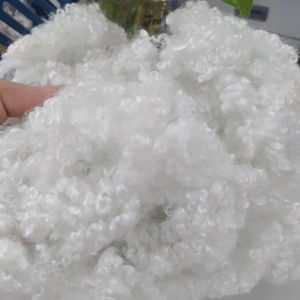
2024 Sehlahisoa se Secha se Pure Cellulose Ether Hydroxypropyl Methyl Cellulose HPMC bakeng sa Samente
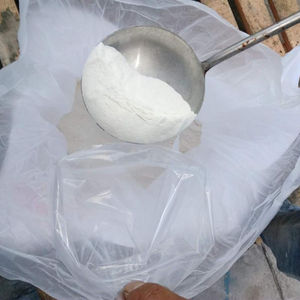
Hydroxypropyl Methyl Cellulose HPMC for Cement Mortar
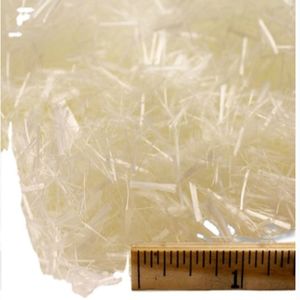
Nako e atolositsoeng ea ho bula KelloCel MK 6058 Indasteri Grade fetotsoeng HPMC Bakeng sa Lithaele Adhesives
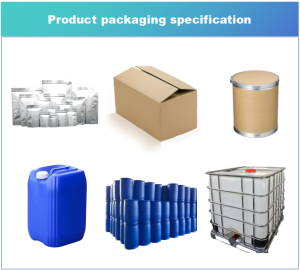
Lik'hemik'hale Raw Materials Thickener CAS NO. 9004-65-3 HPMC Good Hydroxypropyl Methyl cellulose Hpmc
Hydroxypropyl Methyl Cellulose HPMC e Tummeng e Sebelisitsoe ho Wall Putty Workability Kereiting ea Indasteri.
