


Li-additives tsa Konkreite tse bobebe | Li-Agents tse Foaming tse Phahameng ka ho Fetisisa bakeng sa Konkreite ea Cellular

LITLHAKISO TSA LITŠOANTŠISO
Tlhaloso
Introduction to High Quality Hydroxypropyl Methyl Cellulose HPMC for Tile Adhesive
Hydroxypropyl methylcellulose (HPMC), eo lebitso la hae la Sechaena e leng hydroxypropyl methylcellulose, ke semi-synthetic, non-ionic cellulose ether e fumanoang ka ho fetola lik'hemik'hale selulose ea tlhaho. Phofo ena e tšoeu e ka etsa tharollo e hlakileng ea viscous ka mor'a hore e qhibilihe ka metsing. E na le thickening e babatsehang, ho boloka metsi, botsitso le thepa ea ho etsa lifilimi. Ke tlatsetso ea bohlokoa ea mesebetsi e mengata mafapheng a mangata joalo ka kaho.
Characteristics and advantages of High Quality Hydroxypropyl Methyl Cellulose HPMC for Tile Adhesive
Ho qhibiliha ha metsi hantle: E ka qhibiliha ka potlako metsing a batang ho etsa tharollo e hlakileng le e tsitsitseng.
Bokhoni bo sebetsang ba ho tiisa le ho boloka metsi: Eketsa viscosity ea lintho tse bonahalang, ka katleho fokotsa mouoane oa metsi, le ho ntlafatsa katleho ea mosebetsi.
Botsitso bo botle: E na le botsitso bo botle ho li-acids, alkalis, le matsoai, mme e loketse mefuta e mengata ya pH ya boleng.
Ho etsa lifilimi le litlamorao tse sireletsang: Kamora ho omisa, e etsa filimi e thata le e hlakileng ho sireletsa substrate le ho thibela ho kenella ha metsi le ho fetoha mouoane.
E se nang chefo ebile e sa tenehe: E na le biocompatibility e ntle mme e loketse masimo a meriana le lijo.
Ho fetoha: Ka ho fetola tekanyo ea ho fetola le boima ba molek'hule, tshebetso ea eona e ka fetoloa ho finyella litlhoko tse fapaneng tsa kopo.

Specifications of High Quality Hydroxypropyl Methyl Cellulose HPMC for Tile Adhesive
Hydroxypropyl Methyl Cellulose ea boleng bo holimo (HPMC) bakeng sa Sekhomaretsi sa Tile
Litlhaloso Tse Bohlokoa
Selulose ea rona ea hydroxypropyl methyl (HPMC) is made for tile adhesive applications. It gives strong performance in both dry-mix and wet-mix systems. The product meets strict quality standards to ensure reliable results on every job site.
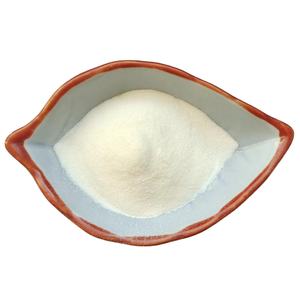
Ponahalo: Phofo e phallang e sa lefelloeng e tšoeu ho isa ho bosoeu
Boholo ba Karolo: 98% e feta har'a sieve ea 80-mesh
Methoxy Content: 19–24%
Hydroxypropoxy Content: 4-12%
Viscosity (2% tharollo, 20°C): Available from 4,000 ho 100,000 mPa·s
pH (2% tharollo): 6.0–8.0
Mongobo: ≤5%
Litaba tsa molora: ≤5%
Melemo ea Ts'ebetso
This HPMC improves workability and water retention in tile adhesives. Good water retention helps cement hydrate fully. That leads to stronger bond strength over time. The product also reduces sag when tiles are fixed on vertical surfaces.
It mixes easily into dry blends without clumping. Hang ha e kopane le metsi, it gives a smooth, creamy texture that spreads evenly. This makes troweling easier and saves labor time.
The viscosity stays stable across a range of temperatures. This means consistent performance in summer heat or cooler conditions. Contractors can rely on the same handling properties day after day.
HPMC also extends open time. Workers get more time to adjust tile position before the adhesive sets. This reduces errors and rework on the job.
Our HPMC is free from harmful additives. It complies with international safety and environmental guidelines. You can use it confidently in residential and commercial projects.
E entsoe ka tlas'a taolo e tiileng ea boleng, each batch delivers uniform performance. Storage is simple—keep in a cool, sebaka se ommeng hole le mongobo. E bolokiloe hantle, the shelf life is at least 12 likhoeli.

Applications of High Quality Hydroxypropyl Methyl Cellulose HPMC for Tile Adhesive
High-Quality HPMC for Superior Tile Adhesive Performance
Bond e Matla, Sesebelisoa se Boreleli
High-quality Hydroxypropyl Methyl Cellulose (HPMC) is a key ingredient in modern tile adhesives. It gives the adhesive better workability and helps it stick firmly to walls and floors. Builders and tile installers rely on HPMC to make their jobs easier and more efficient.
Water Retention That Matters
HPMC holds water inside the adhesive mix. This lets the cement hydrate fully, which is essential for strong bonding. Ntle le ho boloka metsi a lekaneng, lithaele li ka hlepha kapa tsa oa ha nako e ntse e ea. Good HPMC keeps the mix moist long enough for proper curing, even in dry or hot conditions.
Mokhoa o betere oa ho sebetsa le nako ea ho bula
Tile setters need time to adjust tiles after placing them. HPMC extends this “open time” so professionals can align tiles perfectly without rushing. The adhesive stays smooth and easy to spread. It does not sag on vertical surfaces, which means cleaner edges and less mess.
Consistent Texture and Stability
HPMC prevents ingredients from separating in the mix. It gives the adhesive a uniform, creamy texture that feels predictable under the trowel. This consistency reduces waste and rework. Every batch performs the same way, job after job.
Trusted Across Projects
From small bathrooms to large commercial spaces, high-purity HPMC delivers reliable results. It works well with different types of cement, lehlabathe, le litlatsetso. Contractors choose premium HPMC because it cuts down on callbacks and repairs. It supports fast, clean installations with lasting hold.
Using top-grade HPMC in tile adhesive is not just about performance—it’s about confidence in every square foot laid.
Boemo ba Khoebo
Re moetapele oa lefats'e oa konkreite e bobebe le tharollo ea foam e tsoetseng pele. E tsebahala lefatšeng ka bophara ka boitlamo ba eona ba ho etsa lipatlisiso, popontshwa, le botsebi bo sebelisitsoeng, esale re fana ka tharollo ea foam e entsoeng ka boenjiniere ho tloha qalong ea 2012.
Re ka fana ka motsoako oa boleng bo holimo oa konkreite le lihlahisoa tse amanang le konkreite ea foam lefatšeng ka bophara.
Khampani e na le lefapha la litsebi tsa theknoloji le lefapha la tlhokomelo ea boleng, laboratori e nang le lisebelisoa hantle, hape e na le lisebelisoa tse tsoetseng pele tsa tlhahlobo le setsi sa litšebeletso tsa bareki ka mor'a thekiso.
Haeba u thahasella, ka kopo ikutloe u lokolohile 'me u ikopanye le rona.
Tefo
T/T, phetiso ea chelete e bitsoang western union, Paypal, Credit Card etc.
Thomello
Ka moea, ka leoatle, ka Express, joalo ka ha bareki ba kopa.
5 FAQs of High Quality Hydroxypropyl Methyl Cellulose HPMC for Tile Adhesive
Frequently Asked Questions About High-Quality HPMC for Tile Adhesive
HPMC ke eng mme ke hobane'ng ha e sebelisoa ka sekhomaretsi sa lithaele?
HPMC e emetse Hydroxypropyl Methyl Cellulose. Ke phofo e tšoeu e entsoeng ka selulose ea tlhaho. Bahahi ba e eketsa ho sekhomaretsi sa lithaele ho ntlafatsa ts'ebetso, ho boloka metsi, le ho khomarela. Ntle le HPMC, the adhesive may dry too fast or fail to stick well.
HPMC e ntlafatsa ts'ebetso ea sekhomaretsi sa lithaele joang?
HPMC e thusa sekhomaretsi ho boloka metsi nako e telele. Sena se fa basebetsi nako e eketsehileng ea ho beha lithaele hantle. E boetse e etsa hore motsoako o be bonolo le ho hasana habonolo. The bond between tile and wall becomes stronger and lasts longer.
Can low-quality HPMC cause problems?
Ee. Poor-grade HPMC may not retain enough water. This leads to weak bonding or tiles falling off. It can also cause lumps in the mix or uneven texture. Always use high-purity HPMC from trusted suppliers.
What is the right dosage of HPMC in tile adhesive?
Chelete e tloaelehileng ke 0.2% ho 0.4% ka boima ba motsoako o omileng kaofela. Too little HPMC reduces performance. Ho ja haholo ho ka etsa hore motsoako o be motenya haholo kapa o liehe ho beha. Latela litaelo tsa moetsi bakeng sa liphello tse ntle.
Na HPMC e ama nako ea ho omisa?
HPMC e liehisa tahlehelo ea metsi, so the adhesive stays workable longer. This is helpful in hot or dry conditions. Leha ho le joalo, it does not stop the adhesive from hardening. The final cure time depends on temperature, mongobo, and other ingredients in the formula.
KOPO KHOPO
LIHLAHISO TSE HLAHANG
Hydroxypropyl Methyl Cellulose HPMC HEC CMC HEC Hydroxyethyl Cellulose Powder bakeng sa Seretse

High Viscosity Hydroxypropyl Methyl Cellulose HPMC HEC HMPC MHEC in Coating Emulsion Paint as Thickener
HWZK Ethyl Hydroxyethyl Cellulose HPMC HEC Pure Cellulose bakeng sa Melaetsa le ho Penta

hpmc viscosity ea 200000 tile sekhomaretsi hydroxypropyl methyl hpmc bakeng sa kaho HPMC

Redispersible Polymer Powder Tackifier Additive Hydroxypropyl Methyl Cellulose HPMC for Use in Extrusion