


Li-additives tsa Konkreite tse bobebe | Li-Agents tse Foaming tse Phahameng ka ho Fetisisa bakeng sa Konkreite ea Cellular


LITLHAKISO TSA LITŠOANTŠISO
Tlhaloso
Introduction to Hydroxy Propyl Methyl Cellulose (HPMC) ka li-cps tse fapaneng
Hydroxypropyl methylcellulose (HPMC), eo lebitso la hae la Sechaena e leng hydroxypropyl methylcellulose, ke semi-synthetic, non-ionic cellulose ether e fumanoang ka ho fetola lik'hemik'hale selulose ea tlhaho. Phofo ena e tšoeu e ka etsa tharollo e hlakileng ea viscous ka mor'a hore e qhibilihe ka metsing. E na le thickening e babatsehang, ho boloka metsi, botsitso le thepa ea ho etsa lifilimi. Ke tlatsetso ea bohlokoa ea mesebetsi e mengata mafapheng a mangata joalo ka kaho, moriana, le dijo.
Characteristics and advantages of Hydroxy Propyl Methyl Cellulose (HPMC) ka li-cps tse fapaneng
Ho qhibiliha ha metsi hantle: E ka qhibiliha ka potlako metsing a batang ho etsa tharollo e hlakileng le e tsitsitseng.
Bokhoni bo sebetsang ba ho tiisa le ho boloka metsi: Eketsa viscosity ea lintho tse bonahalang, ka katleho fokotsa mouoane oa metsi, le ho ntlafatsa katleho ea mosebetsi.
Botsitso bo botle: E na le botsitso bo botle ho li-acids, alkalis, le matsoai, mme e loketse mefuta e mengata ya pH ya boleng.
Ho etsa lifilimi le litlamorao tse sireletsang: Kamora ho omisa, e etsa filimi e thata le e hlakileng ho sireletsa substrate le ho thibela ho kenella ha metsi le ho fetoha mouoane.
E se nang chefo ebile e sa tenehe: E na le biocompatibility e ntle mme e loketse masimo a meriana le lijo.
Ho fetoha: Ka ho fetola tekanyo ea ho fetola le boima ba molek'hule, tshebetso ea eona e ka fetoloa ho finyella litlhoko tse fapaneng tsa kopo.

Specification of Hydroxy Propyl Methyl Cellulose (HPMC) ka li-cps tse fapaneng
Hydroxy Propyl Methyl Cellulose (HPMC)– Product Specifications by Viscosity
HPMC ke Eng?
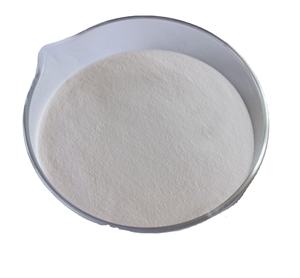
Hydroxy Propyl Methyl Cellulose (HPMC) ke phofo e tšoeu ho isa ho e tšoeu e entsoeng ka selulose ea tlhaho. It liquifies in chilly water and forms clear, litšebeletso tsa viscous. HPMC is commonly made use of in construction, meriana, dijo, and individual care products because it works well as a thickener, tlamahano, mefuta ea lifilimi, and water retainer.
Lihlopha tsa Viscosity (Determined in cP)
HPMC comes in various viscosity degrees, received centipoise (cP). The number tells you just how thick the option will certainly be when mixed with water. Lower cP indicates thinner fluid. Greater cP suggests thicker gel.
Reduced Thickness (5– 100 cP)
This quality liquifies quickly and offers a light, sebopeho se boreledi. It benefits liquid medications, marothodi a mahlo, and some foodstuff where very easy flow issues.
Medium Thickness (400– 4,000 cP)
This range supplies balanced thickness and stability. It is typically utilized in floor tile adhesives, lipolasetere, and ready-mix mortars. Ka pharma, it helps regulate exactly how rapid a tablet launches its medicine.
Botenya bo Phahameng (15,000– 100,000+ cP)
These grades produce solid, sticky gels. They hold water very well and include body to items. Home builders use them in self-leveling compounds and outside insulation systems. Ka litlolo, they offer lotions and creams an abundant feel.
Secret Quality Across All Qualities
All HPMC kinds are non-ionic, stable over a vast pH array (3– 11), and withstand microbial assault. They do not react with many salts or other usual components. Each batch fulfills rigorous quality standards for purity, fragment size, and moisture material. Storage space ought to be in an amazing, sebaka se ommeng ka ho felletseng hole le letsatsi le otlolohileng.
Applications of Hydroxy Propyl Methyl Cellulose (HPMC) ka li-cps tse fapaneng
Applications of Hydroxy Propyl Methyl Cellulose (HPMC) by Viscosity Grade
Hydroxy Propyl Methyl Cellulose (HPMC) is a functional additive made use of across lots of markets. Its efficiency changes with thickness, measured in centipoise (cps). Different cps qualities match various demands.
Low Viscosity HPMC (50– 100 cps)
This grade liquifies fast in water and moves conveniently. It works well in fluid products like paints, likhomaretsi, le litharollo tsa ho hloekisa. Builders use it in tile adhesives to enhance workability without slowing down drying out time. Lithethefatsing, it works as a binder or film-coating representative for tablets since it spreads uniformly and dries rapidly.
Tool Thickness HPMC (4,000– 15,000 cps)
These grades use balanced thickness and stability. They prevail in construction products such as cement-based provides, smudges, le disebediswa tsa ho ikemela. The included viscosity aids hold water in the mix, which enhances treating and reduces fracturing. In food and cosmetics, medium-viscosity HPMC maintains emulsions and offers a smooth appearance to lotions and sauces.
High Thickness HPMC (60,000– 100,000+ cps)
High-viscosity HPMC forms thick gels also at reduced focus. It is perfect for applications requiring strong water retention and structure. In dry-mix mortars and outside insulation systems, it prevents drooping on vertical surface areas. In eye declines and other medical gels, it provides durable lubrication. This quality likewise operates in specialty foods as a thickener where a firm gel is needed.
Choosing the ideal cps grade makes sure optimum performance. Reduced cps implies faster circulation and quicker setting. High cps delivers much better suspension and film strength. Each grade fulfills specific functional needs while keeping formulations stable, regular, and easy to handle.
Kenyelletso ea Khampani
Rea u amohela ho Concrete le Tse ling, mofani ea ka sehloohong oa li-admixtures tsa konkreite tse sebetsang hantle, ho kenyelletsa le lisebelisoa tsa rona tse fokotsang metsi tsa konkreite. Ka phihlelo ea lilemo tse ngata 'marakeng oa lefatše, re fana ka litharollo tse tsoetseng pele tse etselitsoeng ho ntlafatsa boleng le katleho ea merero ea kaho lefatšeng ka bophara. Mehaho ea rona ea morao-rao ea tlhahiso ea lihlahisoa e netefatsa lihlahisoa tsa boleng bo holimo tse finyellang litekanyetso tsa machaba. Re motlotlo ka tšebeletso e ikhethang ea bareki, tšehetso ea tekheniki, le litharollo tse lokiselitsoeng ho fihlela litlhoko tse khethehileng tsa morero. Kopana le rona bakeng sa ho tšepahala, boiqapelo, le li-admixtures tsa konkreite tse theko e boima tse tsamaisang merero ea hau pele. Ithute haholoanyane ho www.concreteandmore.de/. Ha re aheng bokamoso hammoho!
Haeba u na le lipotso, ka kopo ikutloe u lokolohile ho ikopanya le rona.
Mekhoa ea Tefo
T/T, phetiso ea chelete e bitsoang western union, Paypal, Credit Card etc.
Mekhoa ea ho Romela
Ka moea, ka leoatle, ka Express, joalo ka ha bareki ba kopa.
5 FAQs of Hydroxy Propyl Methyl Cellulose (HPMC) ka li-cps tse fapaneng
Frequently Asked Questions About Hydroxy Propyl Methyl Cellulose (HPMC)
What is HPMC and why does viscosity matter?
HPMC is a common additive used in construction, dijo, le meriana. E thusa ho tenya, tlama, or retain water. Viscosity is measured in centipoise (cps). Higher cps means thicker consistency. You choose the right cps based on what your product needs to do.
Which HPMC cps works best for tile adhesives?
Bakeng sa li-adhesives tsa lithaele, use HPMC with 40,000–100,000 cps. This range gives good workability and stops tiles from sliding. It also holds water long enough for cement to set properly. Too low a cps may cause poor adhesion. Too high can make mixing hard.
Can I use low-viscosity HPMC in self-leveling compounds?
Ee. Self-leveling compounds need fast flow. Use HPMC with 400–4,000 cps. Low viscosity helps the mix spread evenly without bubbles. It still offers some water retention but won’t slow down leveling.
Is high-viscosity HPMC better for dry-mix mortars?
Eseng kamehla. Medium-viscosity HPMC (15,000–60,000 cps) often works best. It balances water retention, nako e bulehileng, and ease of mixing. Very high cps (joalo ka 100,000+) may trap too much air or reduce strength if overused.
How does HPMC cps affect plaster or render performance?
Plasters and renders usually need 20,000–75,000 cps HPMC. This keeps water in the mix so cement hydrates fully. It also improves sag resistance on vertical surfaces. Pick the exact cps based on layer thickness and climate conditions.
KOPO KHOPO
LIHLAHISO TSE HLAHANG

Hydroxypropyl Methylcellulose hpmc 200000 powder for mortar tile adhesives hydroxypropyl cellulose hpmc

Li-Catalysts tsa Lik'hemik'hale le Liakhente tse Thusang Lik'hemik'hale Hydroxypropyl Methyl Cellulose HPMC CMC
ho etsa thepa e tala HPMC thickener hpmc bakeng sa sesepa sa hpmc phofo

HPMC Viscosity Of 200000 Kaho ea Lihlahisoa tsa Lik'hemik'hale Hpmc Hydroxypropyl Cellulose Powder Pente
Dry Mortar Additive Hydroxypropyl Methyl Cellulose HPMC for Interior Wall Putty Construction
