Magaan na Concrete Additives | Mga Ahente ng Bubula na Mahusay ang Pagganap para sa Cellular Concrete


MGA PARAMETER NG PRODUKTO
Paglalarawan
Introduction to Hydroxypropyl methylcellulose HPMC is added to joint cement for gypsum boards to improve fluidity and water retention.
Hydroxypropyl Methylcellulose (HPMC), na ang Chinese na pangalan ay hydroxypropyl methylcellulose, ay isang semi-synthetic, non-ionic cellulose eter na nakuha sa pamamagitan ng chemically modifying natural cellulose. Ang puting pulbos na ito ay maaaring bumuo ng isang transparent na malapot na solusyon pagkatapos matunaw sa tubig. Ito ay may mahusay na pampalapot, pagpapanatili ng tubig, katatagan at mga katangian ng pagbuo ng pelikula. Ito ay isang kailangang-kailangan na multifunctional additive sa maraming larangan tulad ng konstruksiyon, gamot, at pagkain.
Characteristics and advantages of Hydroxypropyl methylcellulose HPMC is added to joint cement for gypsum boards to improve fluidity and water retention.
Napakahusay na solubility sa tubig: Maaari itong mabilis na matunaw sa malamig na tubig upang bumuo ng isang malinaw at matatag na solusyon.
Mahusay na pampalapot at kakayahan sa pagpapanatili ng tubig: Dagdagan ang lagkit ng materyal, epektibong bawasan ang pagsingaw ng tubig, at pagbutihin ang kahusayan sa trabaho.
Magandang katatagan: Ito ay may mahusay na katatagan sa mga acid, alkalis, at mga asin, at angkop para sa malawak na hanay ng mga halaga ng pH.
Mga epekto sa pagbuo ng pelikula at proteksyon: Pagkatapos matuyo, ito ay bumubuo ng isang matigas at transparent na pelikula upang protektahan ang substrate at maiwasan ang pagtagos ng tubig at pagsingaw.
Non-toxic at hindi nakakairita: Ito ay may mahusay na biocompatibility at angkop para sa mga larangan ng medisina at pagkain.
Pagsasaayos: Sa pamamagitan ng pagbabago ng antas ng pagpapalit at molekular na timbang, ang pagganap nito ay maaaring iakma upang matugunan ang iba't ibang mga kinakailangan sa aplikasyon.

Specification of Hydroxypropyl methylcellulose HPMC is added to joint cement for gypsum boards to improve fluidity and water retention.
Why HPMC Is Utilized in Joint Cement for Gypsum Boards
Joint cement is used to seal joints between gypsum boards. For this material to work well, it needs to remain damp enough time to bond appropriately and be very easy to spread out. That’s where hydroxypropyl methylcellulose (HPMC) can be found in.
HPMC Boosts Water Retention
When joint concrete dries out too quickly, it can fracture or stop working to stick. HPMC holds water inside the mix. This provides employees more time to apply and smooth the compound before it sets. Much better water retention also suggests stronger bond to the board surface area.
HPMC Boosts Workability
Without ingredients, joint concrete can feel stiff or grainy. Adding HPMC makes the mix smoother and much easier to take care of. It streams better from the knife and spreads out uniformly across joints and edges. This assists create a clean, specialist finish with much less initiative.
Constant Performance Issues
HPMC is stable under normal job website conditions. It does not damage down quickly in the mix. This guarantees the joint compound acts the very same from the very first set to the last. Specialists obtain reputable results every time they use it.
Safe and Suitable
HPMC is safe and commonly accepted in building products. It blends well with various other usual active ingredients in joint concrete, like limestone, starch, and binders. It does not cause unwanted reactions or decrease life span.
Utilizing HPMC in joint concrete resolves two huge troubles at the same time: inadequate water control and hard-to-spread texture. The result is an item that uses efficiently, bonds strongly, and dries out evenly. Building contractors and drywall specialists rely on this efficiency day after day. Sa HPMC, joint cement meets the needs of real-world use without added actions or special delivery.
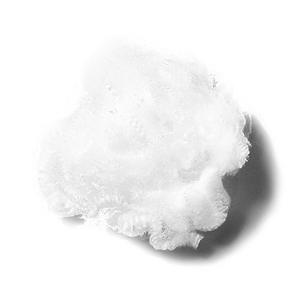
Applications of Hydroxypropyl methylcellulose HPMC is added to joint cement for gypsum boards to improve fluidity and water retention.
Why HPMC Is Used in Joint Concrete for Plaster Boards
Joint cement is an essential product used to seal seams in between plaster boards during drywall installation. To work well, this concrete has to stay smooth, easy to spread, and hold adequate water to cure appropriately. That’s where hydroxypropyl methylcellulose (HPMC) comes in.
HPMC Enhances Workability
HPMC makes joint concrete much easier to handle. Kung wala ito, the mix can feel stiff or grainy, which reduces insulation and ending up work. When HPMC is included, the concrete streams much better. Employees can use it efficiently with a trowel or knife. This saves time and assists create tidy, even seams.
Water Retention Issues
Plaster joint compounds require water to solidify correctly. If the mix loses water too quick– especially on permeable surface areas or in dry conditions– it might crack or fail to bond. HPMC holds onto water inside the cement. This gives the material adequate time to set fully and establish solid attachment. Better water retention additionally implies fewer surface problems and much less rework.
A Reliable Additive
HPMC is commonly relied on building items. It liquifies conveniently in water and mixes well with other components in joint concrete. It does not transform the final shade or structure of the dried substance. At gayundin, it stays stable under normal storage space and use conditions. Contractors and suppliers depend on HPMC due to the fact that it delivers consistent outcomes batch after set.
Including HPMC to joint concrete may look like a tiny step, however it makes a huge difference. The compound becomes more easy to use at work website and does far better in time. For specialists who require dependable drywall surfaces, HPMC is a basic yet necessary ingredient.
Panimula ng Kumpanya
Maligayang pagdating sa Concrete and More, isang nangungunang tagapagbigay ng mataas na pagganap ng mga konkretong admixture, kasama na ang aming mga premium na concrete water reducer. Sa mga taon ng karanasan sa pandaigdigang merkado, nag-aalok kami ng mga advanced na solusyon na idinisenyo upang mapahusay ang kalidad at kahusayan ng mga proyekto sa pagtatayo sa buong mundo. Tinitiyak ng aming mga makabagong pasilidad sa pagmamanupaktura ang mga de-kalidad na produkto na nakakatugon sa mga internasyonal na pamantayan. Ipinagmamalaki namin ang aming sarili sa pambihirang serbisyo sa customer, teknikal na suporta, at mga iniangkop na solusyon upang matugunan ang mga partikular na pangangailangan ng proyekto. Makipagtulungan sa amin para mapagkakatiwalaan, makabago, at cost-effective na concrete admixtures na nagtutulak sa iyong mga proyekto pasulong. Mag-explore pa sa www.concreteandmore.de/. Sama-sama nating buuin ang kinabukasan!
Kung mayroon kang anumang mga katanungan, mangyaring huwag mag-atubiling makipag-ugnay sa amin.
Mga Paraan ng Pagbabayad
T/T, Western Union, Paypal, Credit Card atbp.
Mga Paraan ng Pagpapadala
Sa pamamagitan ng hangin, sa pamamagitan ng dagat, sa pamamagitan ng express, bilang kahilingan ng mga customer.
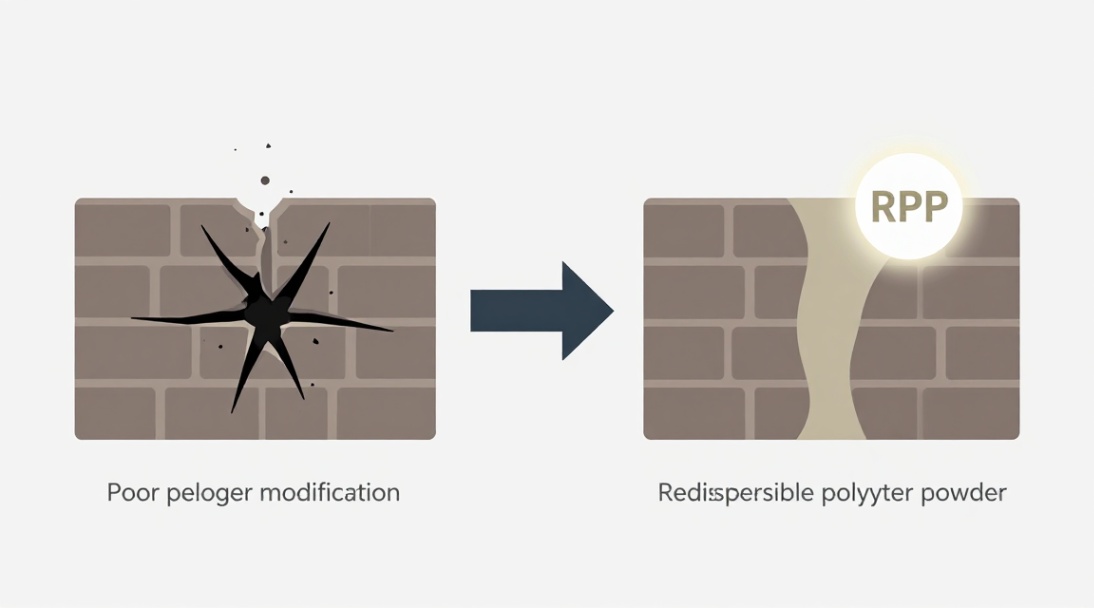
5 FAQs of Hydroxypropyl methylcellulose HPMC is added to joint cement for gypsum boards to improve fluidity and water retention.
Why is HPMC added to joint cement for gypsum boards?
HPMC (Hydroxypropyl methylcellulose) helps the joint compound stay smooth and easy to spread. Kung wala ito, the mix can become too thick or dry out too fast. This makes it hard to work with during application.
How does HPMC improve fluidity?
HPMC acts like a lubricant in the mix. It lets the particles move more freely. This gives the joint cement a smoother texture. Maaaring ilapat ito ng mga manggagawa nang pantay-pantay nang walang labis na pagsisikap. The result is a better finish on the wall surface.
What role does water retention play?
Gypsum boards absorb water quickly. If the joint compound loses water too soon, it won’t set properly. HPMC holds onto water long enough for the cement to cure fully. This prevents cracks and weak spots in the dried joint.
Nakakaapekto ba ang HPMC sa oras ng pagpapatuyo?
Oo, but in a good way. HPMC slows down water loss just enough to allow proper curing. It does not make the compound stay wet for too long. The drying time stays practical for normal construction schedules.
Is HPMC safe to use in interior applications?
HPMC is non-toxic and widely used in building materials. Hindi ito naglalabas ng mga mapaminsalang usok. Once the joint compound dries, HPMC becomes part of the solid matrix. It poses no health risk in homes or offices.
HUMILING NG QUOTE
MGA KAUGNAY NA PRODUKTO
Hot Industrial Chemicals HPMC Hydroxy Propyl Methyl Cellulose Powder HPMC for gypsum plaster CAS 9004-65-3

Hpmc hydroxypropyl methyl cellulose

High Purity Construction Chemical Agent Hydroxypropyl Methyl Cellulose HPMC MHPC for Plasters and Render
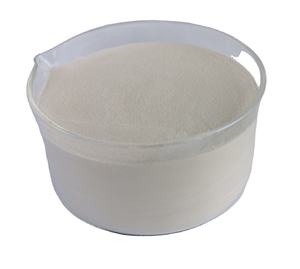
Industrial Grade Hydroxypropyl Methyl Cellulose HPMC for Wall Putty

Pure Cellulose Hydroxypropyl Methyl Cellulose HPMC 75000 Powder Construction for