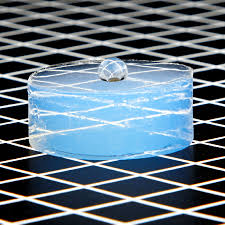
Ngaahi me'a tanaki sima ma'ama'a | Ngaahi fakafofonga Foaming ma'olunga-ngaue ki he sima 'o e selo


NGAAHI PALAMETA 'O E KOLOA
Fakamatala
Overview of Hydrophilic Silica Aerogel Powder Silica Aerogel Fabric Aerogel Powder
Hydrophilic Silica Aerogel Powder Silica Aerogel Fabric Aerogel Powder is a synthetic porous ultralight material derived from a gel, 'a ia kuo fetongi 'a e konga 'o e vai 'aki ha kasa .. Ko e ola ko ha me'a fefeka mo e density ma'ulalo 'aupito mo e conductivity mafana ma'ulalo ., faʻa ui fakatenetene “kohu ‘aisi.” Neongo hono fōtunga vaivaí ., ‘e lava ke ‘enisinia‘i ia ke mālohi fakaofo ., ‘oku ne ma’u ‘a e hingoa ‘o e naunau fefeka insulating lelei taha ‘i mamani.
Features of Hydrophilic Silica Aerogel Powder Silica Aerogel Fabric Aerogel Powder
-
Ko e Mafana Ma’ulalo Taha ‘i Mamani: 'Oku ne 'omi 'a e fakahoko 'o e insulation ta'ehanotatau ., ‘oku mā‘olunga mama‘o ange ia ‘i he ngaahi naunau tukufakaholó ..
-
Density Ma'ulalo 'aupito: Ko e taha ʻo e ngaahi meʻa fefeka maʻamaʻa taha ʻoku ʻiloʻi ʻe he tangatá ., mo ha fa‘u ‘o a‘u ki he 100. 99.8% 'ea.
-
'Elia 'o e Funga Ma'olunga: 'Oku ne ma'u ha 'elia 'o e funga 'o e loto 'oku fu'u lahi 'aupito ., 'o 'ai ke mahu'inga ki he ngaahi polokalama filtration mo e absorption ..
-
Fa'u kehekehe: 'E lava ke ngaohi mei he ngaahi naunau kehekehe ., kau ai 'a e silika, kaponi, mo e ngaahi oxides ukamea ., takitaha mo e ngaahi koloa makehe ..
-
Porosity makehe: 'Oku fatongia'aki 'e hono fokotu'utu'u nanoporous 'a hono ngaahi malava insulating ma'ongo'onga ..

Kofukofu'i 'o e Airgel
Specifications of Hydrophilic Silica Aerogel Powder Silica Aerogel Fabric Aerogel Powder
Hydrophilic Silica Aerogel Powder and Textile
Fakakaukau Fakalukufua ʻo e Meʻá
Our hydrophilic silica aerogel comes in 2 major forms: fine powder and versatile material. Both are made from high-purity silica and processed to maintain their ultra-light framework intact. The product normally attracts water, that makes it ideal for applications requiring moisture absorption or controlled launch.
Ngaahi Fiemaʻu Fakapulipuli .
Matolu: 30– 250 kilo/m 3 (efuefu), 150– 300 kg/m ONO (textile).
Pore dimension: 10– 30 nanomita.
Fukahi: 500– 900 m 2/ g.
Fakahokohoko 'o e mafana: hange ko e fakasi'isi'i 'o hange ko e . 0.013 W/( m · K) 'i he tu'unga mafana 'o e loki.
Hydrophilicity: Water get in touch with angle under 10 °, revealing solid affinity for wetness.
Lanu: Clear white to light blue.
Fakafuofua 'o e ngaahi momo'i me'a (efuefu): 1– 100 maikolomita.
The powder kind flows quickly and mixes well with layers, ngaahi meʻa fakapipiki, pe ngaahi me'a fakatahataha'i. The textile version incorporates aerogel fragments with enhancing fibers, giving it stamina while maintaining excellent insulation performance.
Fakahoko 'oku kau ai .
This aerogel delivers superior thermal insulation also in slim layers. It stays stable approximately 650 ° C ʻi he ʻeá. Because it is hydrophilic, it functions well in moist atmospheres where moisture management matters. The material does not contain binders that minimize porosity, so its insulating power stays high. It is also non-toxic and risk-free to take care of with basic protective equipment.
Both the powder and fabric fulfill industry standards for purity and consistency. They are made use of in building insulation, safety apparel, battery separators, and specialty packaging. Each set undertakes rigorous quality checks to make certain consistent bit dimension, surface area, and dampness response.

Applications of Hydrophilic Silica Aerogel Powder Silica Aerogel Fabric Aerogel Powder
Applications of Hydrophilic Silica Aerogel Materials
Insulation in Structures and Construction
Hydrophilic silica aerogel powder mo e aerogel material deal outstanding thermal insulation. Builders utilize them in walls, ngaahi sisitemi 'o e 'aofi, and windows to cut heat loss. These products are light and occupy little room, so they fit easily right into limited areas without including weight. They assist maintain indoor temperature levels stable all year round.
Industrial Pipe and Equipment Security
Factories cover pipes and containers with silica aerogel textile to quit warmth from running away or entering. This is important for systems that have to stay extremely hot or extremely chilly. The fabric withstands wetness and keeps working well even in damp problems. It also lasts a very long time without damaging down.
Clothing and Outdoor Equipment
Outside clothes brand names mix hydrophilic aerogel powder right into linings or make use of thin aerogel sheets in coats and boots. This provides solid warmth without mass. Kau lue lalo, workers in chilly locations, and emergency situation responders depend on this tech to remain secure and comfortable. The material breathes well and takes care of sweat better than older insulators.
Transport and Automotive Uses
Vehicle and train manufacturers add aerogel materials under hoods, near batteries, or in cabin wall surfaces. They obstruct engine warmth from getting to travelers and secure delicate components from temperature swings. Electric vehicles specifically benefit since battery loads need stable temperature levels to work right.
Specialty Packaging and Electronic Devices
Vulnerable electronics or temperature-sensitive clinical things ship inside boxes lined with aerogel powder composites. These linings guard against unexpected warmth adjustments during transportation. In gadgets, little quantities of aerogel help manage warm without taking up much room.
Fakamatala ʻo e Kautaha
Ko kimautolu 'a e taki fakamamani lahi 'i he sima ma'ama'a mo e ngaahi fakalelei'anga foam 'enisinia fakalakalaka .. 'Iloa 'i mamani 'i he'ene tukupa ki he fakatotolo ., fakakaukau fo'ou, mo e taukei faka'aonga'i ., kuo mau 'oatu 'a e ngaahi fakalelei'anga foam 'enisinia talu mei he kamata'anga 'o e 2012’s ..
'E lava ke tau 'oatu 'a e admixture sima tu'unga ma'olunga mo e ngaahi koloa fekau'aki mo e foam sima 'i he mamani kotoa ..
'Oku 'i ai ha potungaue fakatekinikale fakapalofesinale 'a e kautaha mo e potungaue tokanga'i 'o e tu'unga lelei ., ko ha fale fakatotolo fakakemi kuo fakanaunau‘i lelei ., pea fakanaunau'i 'aki 'a e ngaahi me'angaue sivi fakalakalaka mo e senitaa tokoni ki he kasitomaa hili hono fakatau atu ..
Kapau 'oku ke fie'ilo ., kataki 'o ongo'i tau'ataina pea fetu'utaki mai.
Totongi
T/T, ʻIunioni Hihifo, Paypal, Kaati fakamo'ua etc ..
Uta
ʻI he ʻeá, ʻi tahi, 'aki 'a e fakahaa'i, hange ko e kole 'a e kau kasitomaa.
5 FAQs of Hydrophilic Silica Aerogel Powder Silica Aerogel Fabric Aerogel Powder
Frequently Asked Questions About Hydrophilic Silica Aerogel Products
What is hydrophilic silica aerogel powder?
Hydrophilic silica aerogel powder is a lightweight, highly porous material made from silica. It absorbs moisture easily because it attracts water molecules. This powder is used in insulation, ngaahi kofukofu, and specialty chemicals where moisture interaction is needed.
How is aerogel fabric different from regular fabric?
Aerogel fabric contains a layer of silica aerogel embedded into textile fibers. This gives it strong thermal insulation while staying flexible and thin. Regular fabrics do not offer the same level of heat resistance or lightweight performance.
Can hydrophilic aerogel powder be used outdoors?
ʻIo, ka ʻoku ʻi ai hono ngaahi fakangatangata .. Because it absorbs water, long exposure to rain or high humidity may reduce its insulating power. For outdoor use, it often needs a protective coating or enclosure to manage moisture.
'Oku malu 'a e silika aerogel ke to'oto'o?
Silica aerogel is non-toxic and chemically stable. Ka neongo ia, the fine powder can irritate skin, ngaahi fo'i mata, or lungs if inhaled. Tui maʻu pē ʻa e kofunima, sio'ata malu'i, and a dust mask when working with the loose powder form.
Why choose hydrophilic over hydrophobic aerogel?
Pick hydrophilic aerogel when your application needs to interact with water—like in certain filters, sensors, or moisture-controlled environments. Hydrophobic aerogel repels water and suits dry insulation jobs. The right choice depends on whether your project requires water absorption or water resistance.
KOLE HA QUOTE
NGAAHI KOLOA 'OKU FETU'UTAKI

Fu'u ma'ulalo 'aupito 'a e conductivity 'o e mafana 'o e silikoni tai'okisaiti aerogel 'o e palanikete ki he mafana ma'olunga 'o e fale 'o e 'o e

Ngaahi naunau faka'ehi'ehi Hybrid Aerogels 1mm 2mm 'uli'uli 'a e ngaahi panel 'o e 'ea 'o e naunau 'o e 'ea
Fale ngaohi'anga koloa 'o Siaina 'a e tu'unga lelei 'o e Airgel 'a e naunau 'o e mafana 'o e 'ea
Good Fireproof Customized Aerogel Thermal Insulation 3mm 6mm 10mm Blanket Special
Taupo'ou silikoni 'a e polyester 1.2D 51mm Airgel fio ki hono fakafonu 'o e 'ulumotu'a mo e mohenga