


Te mau tao'a tahi mâmâ | Te mau rave'a haaparareraa parau teitei no te cellular concrete


TE MAU PARAMETERS
Tuʻaroʻa
Overview of Sodium Lignosulfonate Concrete Admixture as Water Reducer and Plasticizer for Cement
Sodium Lignosulfonate Concrete Admixture as Water Reducer and Plasticizer for Cement is chemical compounds added to concrete mixtures to improve various properties of the material, mai te aravihi no te rave i te ohipa, Mana, te maoro, e te taime no te faaora. I roto i teie mau tao'a, te vai ra te mau hu'ahu'a, mau retarders, mau rave'a vitiviti, te mau rave'a no te paruru i te pape, e te mau rave'a no te faatere i te reva, Ua faanahohia te mau mea atoa no te pahono i te mau hinaaro taa ê i roto i te hamaniraa i te mau. E faaohipa-pinepine-hia te mau tao'a faaî i te mau fare tapihooraa e te mau fare, e tae noa'tu i te hamaniraa i te mau hu'ahu'a i hamanihia e te mau hu'ahu'a. Na roto i te haamaitairaa i te aravihi e te huru o te raima, E tauturu teie mau tao'a ia haamaitai i te aravihi o te mau opuaraa paturaa ma te haapapu i te vai - maitai - raa e te oraraa roa o te haamauraa hope. E mea ohie roa ia faaô atu i roto i te amuiraa e ia horo'a i te mau rave'a faatitiaifaroraa moni no te haamaitai i te mau rave'a ti'a i roto i te mau faaohiparaa e rave rahi.
Characteristics of Sodium Lignosulfonate Concrete Admixture as Water Reducer and Plasticizer for Cement
Te puai rahi a'e: E nehenehe te mau tao'a faaî i te raima e faarahi rahi i te puai o te raima, ma te faaoromai i te faaheporaa e te hepohepo. E haapapu te reira i te oraraa roa e te vai - maitai - raa o te mau haamauraa, te faaitiraa mai i te tupuraa o te vavahiraa aore ra te pau.
Te haamaitairaa i te aravihi no te rave i te ohipa: Te haamaitai nei te mau tao'a tahi mai te mau hu'ahu'a e te mau hu'ahu'a rahi roa ' ' e i te taheraa e te huru o te raima, no te faaohie i te faaohiparaa, ninii, e faaoti. E faarahi te reira i te hotu i nia i te vahi paturaa e e faatitiaifaro i te mau haamâu'araa o te ohipa.
Te faaoraraa oioi a'e: Te mau rave'a, te hoê huru tao'a sima, tauturu ia haavitiviti i te ohipa faaoraraa, ma te faati'a i te mau taime vitiviti a'e e te faaotiraa oioi a'e o te mau opuaraa. E mea faufaa roa te reira i te taime to'eto'e e aore râ, ia hi'opo'a-oioi-hia te mau taime paturaa.
Te faarahiraa i te maoro: E rave rahi mau tao'a, mai te mau rave'a no te faaiti i te pape e te mau tao'a no te tape'a i te pape, faarahi i te pato'iraa o te raima i te mau huru oraraa fifi o te taiao mai te mau huriraa toetoe, Te tomoraa i roto i te pape, e te mau rave'a chemical, te haapapûraa i te ha'utiraa no te hoê tau maoro.
Te taairaa e te taairaa maitai a'e: Te haamaitai nei te tahi mau tao'a i te taairaa i rotopu i te raima e te tahi atu mau tao'a, mai te haapuai i te mau hu'ahu'a aore ra te mau hu'ahu'a, te haamaitairaa i te taiva ore o te haamauraa e te faaitiraa mai i te mau tupuraa o te vavahiraa aore ra te faataa - ê - raa.
Versatility no te mau faaohiparaa e rave rahi: E mea huru rau te mau tao'a faaûru e e nehenehe e faaohipahia i roto i te mau faaohiparaa e rave rahi, mai te mau fare nohoraa e tae atu i te mau opuaraa paturaa rahi. Ua hamanihia mai te reira no te pahono i te mau hinaaro taa ê mai te simeni puai, Te mau hu'ahu'a, e aore râ, te hoê raima papû no te mau huru oraraa fifi roa.
Te moni-maitai: Na roto i te haamaitairaa i te huru e te aravihi o te raima, Te faaiti nei te mau tao'a tahi i te hinaaro no te tahi atu mau haamaitairaa e te mau haamaitairaa, e faatupu te reira i te mau haamau'araa rahi no te hoê tau maoro. Hau atu â, e tauturu ratou i te haamaitai i te hoho'a, te faaitiraa i te mau hu'ahu'a materia.
Mea au a'e i te mau mea e haaati ra ia tatou: E rave rahi mau tao'a tahi no teie tau o tei hamanihia e te mau mea e au i te huru o te fenua, te tururaa i te mau rave'a paturaa tamau a'e. E tauturu teie mau tao'a ia faaiti i te vahi tapearaa avae e ia haamaitai i te huru o te mau mea e haaati ra ia ' na.
Ua haamaitaihia te hopea o te mata: Na roto i te arairaa i te mau hape mai te vavahiraa, e nehenehe te mau tao'a faaî mai te mau tao'a faaî i te reva e haamaitai i te hopea e te huru o te raima, te honi, e aore râ, te repo i ni'a i te fenua, te haapapûraa i te hoê maeneene, te vahi toro'a.

Specification of Sodium Lignosulfonate Concrete Admixture as Water Reducer and Plasticizer for Cement
Salt Lignosulfonate Concrete Admixture
Water Reducer and Plasticizer for Concrete
Sodium lignosulfonate is an all-natural polymer stemmed from wood pulp. It functions well as a water reducer and plasticizer in concrete mixes. This admixture assists reduce the amount of blending water required while maintaining the concrete workable.
Te mau maitai huna
When you add salt lignosulfonate to seal, the mix comes to be less complicated to put and complete. It enhances circulation without adding added water. Much less water implies higher strength and better durability in the end product. The admixture likewise reduces the setting time slightly, which gives even more time for positioning in heat or big pours.
Nahea te reira e ohipa ai
Sodium lignosulfonate distributes concrete particles evenly in the mix. This action breaks up globs and launches trapped water. No te reira, the exact same depression can be attained with less water– usually a 5% a 10% decrease. The concrete remains natural and stands up to segregation.
Regular Usage Rates
Tāʻiri 0.1% a 0.3% na roto i te poihâ o te sima. Exact dosage depends upon the cement type, hoho'a ano'i, and preferred performance. Always run a trial set before full-scale usage.
Te tu'atiraa
This admixture deals with the majority of Portland concretes and typical extra materials like fly ash or slag. It can be incorporated with other admixtures, however examine compatibility first with screening.
Te vahi tape'araa e te faatereraa
A tapea i roto i te hoê vahi maro roa, amazing location far from wetness. A paruru i te mau farii ia ore ana'e e faaohipahia. Salt lignosulfonate is non-toxic and safe to manage with conventional building safety practices. Wear handwear covers and eye security as a standard preventative measure.
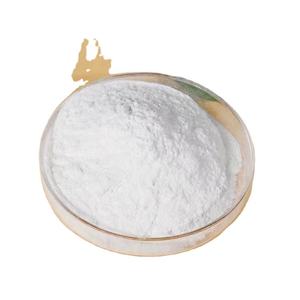
Applications of Sodium Lignosulfonate Concrete Admixture as Water Reducer and Plasticizer for Cement
Applications of Sodium Lignosulfonate in Concrete
Reliable Water Reducer and Plasticizer for Concrete
Sodium lignosulfonate is a commonly utilized admixture in concrete production. It functions well as both a water reducer and a plasticizer. When added to cement blends, it helps lower the quantity of water required without harming workability. E arata'i te reira i te puai a'e, extra long lasting concrete.
Builders utilize sodium lignosulfonate to improve exactly how quickly concrete circulations. The admixture keeps bits from clumping together. Ei faahopearaa, the mix remains smooth and very easy to place. This is specifically helpful in complicated kinds or tight rooms where resonance is limited.
The product likewise slows down the setting time of concrete. This offers workers even more time to end up the task properly, specifically in hot weather. Longer workability implies less chilly joints and much better general high quality.
Salt lignosulfonate cuts water material by 5% a 10%. Less water implies a lower water-cement ratio. A lower ratio directly boosts compressive stamina and decreases porosity. That makes the last framework extra immune to water, mau tao'a tahi, e te huru o te reva.
This admixture collaborates with the majority of types of Rose city cement. It is compatible with other typical additives as well. Individuals locate it economical because it supplies solid performance at a reduced dosage– I te rahiraa o te taime 0.1% a 0.3% na roto i te poihâ o te raima.
Professionals pick sodium lignosulfonate for many jobs. It is common in precast concrete, Te mau ohipa ineine, and huge pours like foundations, Te mau purumu, e te mau e'aturu. Its natural origin– from timber pulp processing– also makes it an eco-friendlier option compared to synthetic alternatives.
Sodium lignosulfonate remains a reputable option for any individual looking to improve concrete performance while maintaining expenses controlled. Its double role as a water reducer and plasticizer streamlines batching and boosts results on site.
Hoho'a o te Taiete
O tatou te ti'a faatere o te ao nei i roto i te mau rave'a no te faatitiaifaro i te mau rave'a hamaniraa tauihaa. Ua matau - maitai - hia oia na te ao nei no to ' na fafauraa i te maimiraa, Fa'aterehia, e te ite aravihi, mai te omuaraa mai â o te mau matahiti 2012 mai â, ua horo'a matou i te mau rave'a no te faatitiaifaro i te mau fifi.
Na te ao taatoa nei, e nehenehe ta tatou e horo'a i te mau tao'a faaineineraa ti'a teitei e te mau tao'a hu'ahu'a.
E tuhaa ohipa aravihi to te taiete e te hoê tuhaa fenua no te hi'opo'araa i te maitai, te hoê piha maimiraa tei faaineine-maitai-hia, e te mau rave'a hi'opo'araa aravihi e te hoê pû taviniraa i muri a'e i te hooraa.
Mai te mea e, te anaanatae ra outou, A faaite mai ia matou.
Aufau
T/T, Tooa o te râ, Paypal, Tareta tarahu etc.
Te tonoraa
Na roto i te reva, na te moana, na roto i te faaiteraa, mai ta te feia hoo tao'a e ani ra.
5 FAQs of Sodium Lignosulfonate Concrete Admixture as Water Reducer and Plasticizer for Cement
Frequently Asked Questions About Sodium Lignosulfonate Concrete Admixture
What is sodium lignosulfonate used for in concrete?
Sodium lignosulfonate works as a water reducer and plasticizer in cement mixes. It helps lower the amount of water needed while keeping the mix workable. E arata'i te reira i te puai a'e, te simeni paari a'e.
How does it improve concrete workability?
The admixture disperses cement particles evenly. This reduces friction between them. Ei faahopearaa, the mix flows better without adding extra water. Contractors find it easier to place and finish the concrete.
E ohipa anei te reira i ni'a i te puai o te raima?
ae, it improves strength. By cutting down water content, ua topa te faito o te pape e te sima. A lower ratio means higher compressive and tensile strength over time. The final product resists cracking and wear better.
Is sodium lignosulfonate safe for construction use?
It is widely accepted in the construction industry. The material meets standard specifications like ASTM C260 and EN 934-2. It contains no harmful chlorides, so it won’t corrode steel reinforcement.
How should it be added to the mix?
A tapiri i te reira i roto i te batching, usually with mixing water. Follow the dosage recommended by the manufacturer—typically 0.1% a 0.3% na roto i te poihâ o te sima. Too much can cause excessive air entrainment or delay setting time. Always test trial batches before full-scale use.
A TINIRAA I TE HOÊ PARAU
TE MAU HOPO'A FAATAA

Te mau hu'ahu'a mâmâ no te CLC

Te hoê hoho'a tamoni ore no te pape pu'e no te fare hamaniraa tauihaa
Te hoê hu'ahu'a VAE RDP no te mau rave'a no te tape'a i te mau rave'a no te faaore i te mau rave'a

Te hoê hu'ahu'a silica no te hu'ahu'a teitei i roto i te mau fare hamaniraa uira atomi
Te hoê hu'ahu'a polymer RDP no te tapo'iraa i te pape e te tapuraa i te mau hu'ahu'a
