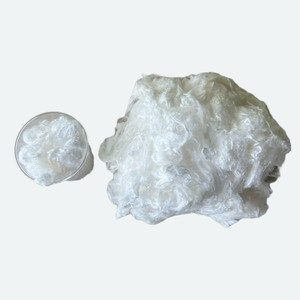
Te mau tao'a tahi mâmâ | Te mau rave'a haaparareraa parau teitei no te cellular concrete

TE MAU PARAMETERS
Tuʻaroʻa
Overview of Polypropylene Fiber For Plaster And Concrete
No te pato'iraa rahi, te horo'a nei matou i te mau hu'ahu'a Steel, te hoê monoraa maitai roa no te mau uira arapoa i ni'a i te tahua fare hamaniraa tauihaa e te mau hu'ahu'a. Te horoa atoa nei matou i te mau hu'ahu'a Synthetic taa ê o te horoa i te puai rahi no te mau faaohiparaa fifi. E parare hoê â teie mau hu'ahu'a i roto i te amuiraa sima, te haamauraa i te hoê faanahoraa haapuairaa rahi o te ore e nehenehe e ravehia e te mau rave'a anamua. Na teie faanahoraa taa ê e faaohie i te paturaa, haavitiviti te tuuraa, e te haamaitai i te taiva ore e te oraraa roa o te raima, Te horo'araa i te hoê pahonoraa apî i te mau fifi o te mau fifi tahito e te mau fifi.
Features of Polypropylene Fiber For Plaster And Concrete
1. Te faatereraa hau a'e e te vai - maitai - raa:
Te huru matamua o to tatou mau hu'ahu'a, o to ratou ïa aravihi no te faatumu i ni'a i te mau hu'ahu'a iti e tupu mai i roto i te huru hu'ahu'a e te mau hu'ahu'a rahi a'e i roto i te raima. E faatupu teie purara e toru ahu i te hoê matrix taa ê a'e o te pato'i i te parareraa o te mau hu'ahu'a. Te maitai ti'a'tu, o te hoê ïa faaitiraa rahi i te mau hu'ahu'a hu'ahu'a e te rahi o te hu'ahu'a. E faatupu te reira i te hoê raima papû a'e e te iti a'e o te permeability, o te faarahi ïa i te aravihi no te patoi i te pape, Te faainoraa, e te vavahiraa o te mau fetia atoa. Te faahopearaa, o te hoê ïa haamauraa e oraraa taviniraa roa a'e e te haamau'araa iti a'e.
2. Te faarahiraa o te mau faahopearaa e te patoiraa i te abrasion:
Te mau hu'ahu'a, i te pae iho â râ o te mau hu'ahu'a macro e te mau hu'ahu'a macro, ia haamaitai rahi i te etaeta o te raima e te ha'utiraa i muri mai i te reira. E huti ratou e e opere ratou i te ito i muri a'e i te mau faahopearaa aore ra te mau hopoia. E horoa teie huru i te maitai o te hoê mata etaeta a'e o te ore e nehenehe e vavahi, chipping, e te vavahiraa i raro a'e i te pereoo uira rahi aore ra i te mau ahu matini. E tuhaa faufaa roa teie no te mau tahua hamaniraa tauihaa, Te mau purumu no te fare vairaa tauihaa, e te mau opuaraa paturaa, e arata'i atu i ni'a i te hoê vahi etaeta a'e o te tape'a i to'na haapa'o maitai i te roaraa o te taime.
3. Te aravihi no te paturaa i te fare e te haaputuputuraa moni:
Te hoê tuhaa rahi o te faaohiparaa i te mau hu'ahu'a, o te faaoreraa ïa i te mau arapoa (WWF) i roto i te mau faaohiparaa e rave rahi. E horo'a te reira i te mau maitai rahi i ni'a i te tahua itenati: te faaohie nei te reira i te tuuraa, no te mea ho'i e, aita e upe'a no te haamau e aore râ, no te faaru'e, e te haavitiviti te reira i te taatoaraa o te ohipa paturaa. Na roto i te iritiraa i te hoê taahiraa ohipa rahi, Te ite nei te mau opuaraa i te mau haamâu'araa no te ohipa e te mau taime vitiviti a'e. Te haapapu atoa ra te tufaraa hoê â o te mau hu'ahu'a i te hoê haapuairaa tamau i roto i te tuhaa raima taatoa, taa ê atu i te mesh, o te nehenehe e tuuhia i nia i te vahi tano ore, e arata'i atu i te hoê ha'utiraa e ti'aturihia a'e e e nehenehe e tohuhia.

Specification of Polypropylene Fiber For Plaster And Concrete
Spec of Polypropylene Fiber for Plaster and Concrete
Te mau materia e te mau hoho'a
Ua hamanihia mai te ahu no roto mai i 100% polypropylene tamahine. It includes no recycled material. This ensures consistent efficiency and long-term durability in building applications.
Te mau vahi faaearaa
Fiber Size: Readily available in typical sizes of 6 mm, 12 mm, e 19 mm. Custom-made lengths can be given upon request.
Ātea: About 18– 40 microns, relying on the item grade.
Te puai o te Tensile: Te iti roa 450 MPa. This high toughness assists control cracking in both fresh and hard concrete.
Te faaroaraa i te taime faaearaa: Fatata i te 15– 30%. This permits the fiber to soak up energy without breaking instantly.
Te vahi re'are'a: I roto i te 165 ° C. The fiber remains steady under regular treating temperature levels.
Te mau rave'a ha'utiraa
When mixed right into plaster or concrete, these fibers minimize plastic contraction splits. They improve impact resistance and assistance hold the material together also after cracks develop. The fibers disperse equally throughout blending and do not glob. This makes them simple to work with on-site.
They additionally boost the surface coating of plaster by decreasing hairline cracks. I roto i te simeni, they sustain much better communication and lower partition of aggregates. The outcome is an extra uniform and durable final product.
A faaohipa i te mau titauraa
Te mau huru raau taa ê no ǒ mai i 0.6 kg 1.2 kg per cubic meter of concrete or plaster mix. Always adhere to local building regulations and task requirements. Include fibers throughout the preliminary mixing stage to ensure full diffusion. Criterion blending equipment works well– no special tools are required.
Store fibers in a completely dry, amazing location far from direct sunshine. Keep bags sealed till usage to avoid moisture absorption.
Te au-maitai-raa, te parururaa e te vai - maitai - raa
The product fulfills ASTM C1116 and EN 14889 standards for artificial fibers in concrete. E mea paruruhia, aita e ino, and alkali-resistant. Safe handling needs basic protective equipment like handwear covers and safety glasses.
Applications of Polypropylene Fiber For Plaster And Concrete
Applications of Polypropylene Fiber for Plaster and Concrete
Why Usage Polypropylene Fiber?
Polypropylene fiber is extensively utilized in plaster and concrete blends. It aids control fractures triggered by drying contraction and temperature adjustments. The fibers are uniformly spread out through the mix. This develops a network that holds the product together. No reira, the surface area remains more powerful and lasts much longer.
In Plaster Applications
When added to plaster, polypropylene fiber reduces surface cracking It additionally boosts influence resistance. Employees find it easier to apply plaster with fibers because it sticks far better to walls. The final surface looks smoother and cleaner. These advantages matter most in indoor wall surfaces, te mau plafond, and exterior renders where appearance and toughness matter.
In Concrete Applications
I roto i te simeni, polypropylene fiber increases sturdiness without changing how the mix is put or ended up. It works well in pieces, Te mau e'a pereoo, te mau e'a haereraa, e te mau tahua tapihooraa. The fibers stop small fractures from becoming large troubles. They additionally aid the concrete resist damages from unexpected impacts or heavy loads. For projects like cellars, Te mau irava, or vehicle parking frameworks, this included defense is important.
E mea ohie roa ia faaohipa e e mea moni ore
Including polypropylene fiber is basic. Just mix it right into the set at the plant or on-site. Aita e titauhia te mau ravea taa ê aore ra te haapiiraa. E anoi maitai te reira i te sima, one, e te pape. Because it minimizes repair work later on, it saves cash over time. Building contractors and professionals select it for both tiny tasks and large building and construction.
Te mau rave'a haavare:
– Controls early-age breaking.
– Improves surface area integrity
– Enhances toughness versus wear and influence
– Functions with conventional mixing and ending up approaches
– Minimizes long-term upkeep expenses
Horo'araa parau no te Taiete
Aroha mai ki te Concrete e te tahi atu â, te hoê taata horo'a rahi no te mau rave'a haaparareraa parau teitei, e tae noa'tu i ta tatou mau rave'a faaiti pape. Te mau matahiti ite i roto i te matete o te ao nei, te horo'a nei matou i te mau rave'a aravihi no te haamaitai i te huru e te aravihi o te mau opuaraa paturaa na te ao nei. Te haapapu nei ta tatou mau fare hamaniraa tauihaa apî roa a'e i te mau tao'a maitai roa a'e o te tu'ati i te mau titauraa a te ao nei. Te oaoa nei matou i te taviniraa faahiahia roa a te feia hoo, patururaa i te pae no te rave'a aravihi, e te mau rave'a faatitiaifaroraa no te pahono i te mau hinaaro taa ê o te opuaraa. A amui atu ia matou no te ti'aturi, faaapî, e te mau rave'a haamau'araa moni ore o te arata'i i ta outou mau opuaraa i mua. A hi'o hau atu â i ni'a i te www.. E patu amui tatou i te tau no a muri a'e!
Mai te mea e uiuiraa ta outou, Aita e feaaraa ia farerei ia matou.
Te mau rave'a aufau
T/T, Tooa o te râ, Paypal, Tareta tarahu etc.
Te mau rave'a no te tono
Na roto i te reva, na te moana, na roto i te faaiteraa, mai ta te feia hoo tao'a e ani ra.
5 FAQs of Polypropylene Fiber For Plaster And Concrete
Frequently Asked Questions About Polypropylene Fiber for Plaster and Concrete
What is polypropylene fiber used for in plaster and concrete?
Polypropylene fiber is added to plaster and concrete mixes to improve strength and reduce cracking. E tauturu te reira ia haapao i te itiraa i te taime a maroraa ai. The fibers hold the material together even when small cracks start to form.
How does this fiber prevent cracks?
When concrete or plaster dries, E iti mai te reira e e nehenehe e tata'i. Polypropylene fibers spread evenly through the mix. They act like tiny reinforcements that bridge gaps before cracks grow large. This keeps surfaces smoother and more durable over time.
Is it hard to mix polypropylene fiber into concrete or plaster?
aita, E mea ohie roa. Just add the fibers during normal mixing. Use a standard mixer and follow the recommended dosage. The fibers disperse well without clumping if mixed properly. Aita e titauhia te mau ravea aore ra te mau taahiraa avae taa ê.
Does this fiber affect the workability of the mix?
At the right dosage, polypropylene fiber has little effect on workability. The mix stays easy to place, tapo'i, e faaoti. E nehenehe te rahiraa o te mau hu'ahu'a e faatupu i te etaeta, so always stick to the suggested amount per batch.
Can I use this fiber in both indoor and outdoor applications?
ae. Polypropylene fiber works well in all kinds of projects. E patoi oia i te haumi, mau tao'a tahi, e te maramarama UV. That makes it suitable for floors, patu, Te mau e'a pereoo, te mau purumu, and more—indoors or out. Eita te reira e ino aore ra e pirau, no reira, e vai noa te reira mai te simeni iho â râ.
A TINIRAA I TE HOÊ PARAU
TE MAU HOPO'A FAATAA
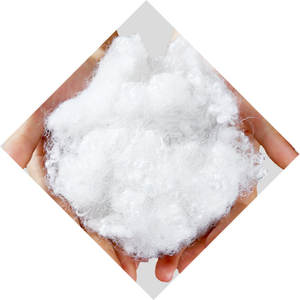
Daye Whole Factory Directly Supply Stainless Steel Corrugated Concrete Fiber Materials

Te mau hu'ahu'a Polymer Polyester Rebar FRP Rebar

Te mau hu'ahu'a auahi maitai roa a'e 300kg i te metera cubic Te anuvera teitei

Te fare hamaniraa tauihaa teitei 100%PP Te mau hu'ahu'a polypropylene no te sima12mm 15mm
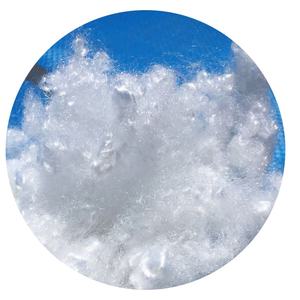
Te mau hu'ahu'a hi'o ti'a teitei no te mau hu'ahu'a hi'o ti'a