Te mau tao'a tahi mâmâ | Te mau rave'a haaparareraa parau teitei no te cellular concrete

TE MAU PARAMETERS
Tuʻaroʻa
Overview of Supply Polypropylene Reticular Concrete Fiber for Fiber Reinforced Concrete Engineering
No te pato'iraa rahi, te horo'a nei matou i te mau hu'ahu'a Steel, te hoê monoraa maitai roa no te mau uira arapoa i ni'a i te tahua fare hamaniraa tauihaa e te mau hu'ahu'a. Te horoa atoa nei matou i te mau hu'ahu'a Synthetic taa ê o te horoa i te puai rahi no te mau faaohiparaa fifi. E parare hoê â teie mau hu'ahu'a i roto i te amuiraa sima, te haamauraa i te hoê faanahoraa haapuairaa rahi o te ore e nehenehe e ravehia e te mau rave'a anamua. Na teie faanahoraa taa ê e faaohie i te paturaa, haavitiviti te tuuraa, e te haamaitai i te taiva ore e te oraraa roa o te raima, Te horo'araa i te hoê pahonoraa apî i te mau fifi o te mau fifi tahito e te mau fifi.
Features of Supply Polypropylene Reticular Concrete Fiber for Fiber Reinforced Concrete Engineering
1. Te faatereraa hau a'e e te vai - maitai - raa:
Te huru matamua o to tatou mau hu'ahu'a, o to ratou ïa aravihi no te faatumu i ni'a i te mau hu'ahu'a iti e tupu mai i roto i te huru hu'ahu'a e te mau hu'ahu'a rahi a'e i roto i te raima. E faatupu teie purara e toru ahu i te hoê matrix taa ê a'e o te pato'i i te parareraa o te mau hu'ahu'a. Te maitai ti'a'tu, o te hoê ïa faaitiraa rahi i te mau hu'ahu'a hu'ahu'a e te rahi o te hu'ahu'a. E faatupu te reira i te hoê raima papû a'e e te iti a'e o te permeability, o te faarahi ïa i te aravihi no te patoi i te pape, Te faainoraa, e te vavahiraa o te mau fetia atoa. Te faahopearaa, o te hoê ïa haamauraa e oraraa taviniraa roa a'e e te haamau'araa iti a'e.
2. Te faarahiraa o te mau faahopearaa e te patoiraa i te abrasion:
Te mau hu'ahu'a, i te pae iho â râ o te mau hu'ahu'a macro e te mau hu'ahu'a macro, ia haamaitai rahi i te etaeta o te raima e te ha'utiraa i muri mai i te reira. E huti ratou e e opere ratou i te ito i muri a'e i te mau faahopearaa aore ra te mau hopoia. E horoa teie huru i te maitai o te hoê mata etaeta a'e o te ore e nehenehe e vavahi, chipping, e te vavahiraa i raro a'e i te pereoo uira rahi aore ra i te mau ahu matini. E tuhaa faufaa roa teie no te mau tahua hamaniraa tauihaa, Te mau purumu no te fare vairaa tauihaa, e te mau opuaraa paturaa, e arata'i atu i ni'a i te hoê vahi etaeta a'e o te tape'a i to'na haapa'o maitai i te roaraa o te taime.
3. Te aravihi no te paturaa i te fare e te haaputuputuraa moni:
Te hoê tuhaa rahi o te faaohiparaa i te mau hu'ahu'a, o te faaoreraa ïa i te mau arapoa (WWF) i roto i te mau faaohiparaa e rave rahi. E horo'a te reira i te mau maitai rahi i ni'a i te tahua itenati: te faaohie nei te reira i te tuuraa, no te mea ho'i e, aita e upe'a no te haamau e aore râ, no te faaru'e, e te haavitiviti te reira i te taatoaraa o te ohipa paturaa. Na roto i te iritiraa i te hoê taahiraa ohipa rahi, Te ite nei te mau opuaraa i te mau haamâu'araa no te ohipa e te mau taime vitiviti a'e. Te haapapu atoa ra te tufaraa hoê â o te mau hu'ahu'a i te hoê haapuairaa tamau i roto i te tuhaa raima taatoa, taa ê atu i te mesh, o te nehenehe e tuuhia i nia i te vahi tano ore, e arata'i atu i te hoê ha'utiraa e ti'aturihia a'e e e nehenehe e tohuhia.

Specification of Supply Polypropylene Reticular Concrete Fiber for Fiber Reinforced Concrete Engineering
Requirements of Supply: Polypropylene Reticular Concrete Fiber
Hi'opo'araa i te tao'a
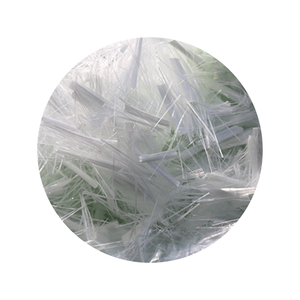
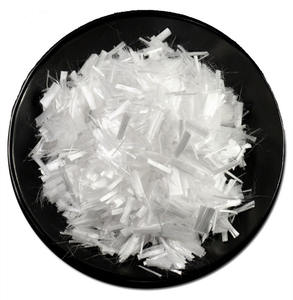
Polypropylene knotty concrete fiber is an artificial reinforcement product utilized in concrete and mortar mixes. It helps manage plastic contraction splitting and boosts effect resistance. Ua hamanihia mai te mau hu'ahu'a mai 100% virgin polypropylene and include an one-of-a-kind net-like structure that opens up into specific filaments during blending.
Te mau huru rahi
– I hea 'oe : Polypropylene vahine
– Pae : E mea uouo aore râ, e mea hina
– Ātea : Typically readily available in 6 mm, 12 mm, e 19 mm
– Equivalent size : Around 35– 50 microns after fibrillation
– Te puai o te tensile : Te iti roa 400 MPa
– Te mea re'are'a : I tāpati 165 ° C.
– Te matotoru : 0.91 g/cm TORU
. – Te patoiraa i te alkali : Maitai roa– stays secure in high-pH concrete settings.
Te mau maitai o te aravihi
Ia amuihia'tu i ni'a i te raima, these fibers distribute uniformly throughout the mix. They reduce early-age fracturing triggered by drying out and shrinking. The fibers also enhance toughness and assistance hold broken surface areas together. This causes much better sturdiness and longer life span for slabs, Te mau purumu, e te mau faaohiparaa. Aita e mau rave'a taa ê e titauhia– basic batching and placing approaches function well.
Dosage a'oraa
Te mau huru faito noa mai 0.6 kg/m e piti e 1.0 kg/m two of concrete, ia au i te faaohiparaa. For commercial floorings or overlays, greater does might be utilized to accomplish better fracture control. Constantly adhere to project-specific mix layouts and neighborhood criteria.
Te tapo'iraa e te faaohiparaa i te mau tao'a
Fibers are supplied in moisture-resistant polyethylene bags, ravehia 0.6 kg e aore râ 1.0 kg i te hoê pute. Faaputu i roto i te hoê vahi maro, covered area far from straight sunlight. Maintain bags secured till use to prevent clumping. The item has a shelf life of 24 ava'e ia faaherehere - maitai - hia.
Applications of Supply Polypropylene Reticular Concrete Fiber for Fiber Reinforced Concrete Engineering
Applications of Supply Polypropylene Reticular Concrete Fiber in Fiber-Reinforced Concrete Design
Boosted Crack Control and Toughness
Polypropylene knotty concrete fiber is widely used to boost the performance of concrete structures. Ia anoihia te reira i roto i te simeni apî, these fibers spread out uniformly and form a three-dimensional network. This network aids regulate early-age plastic shrinking cracks. It also reduces the risk of long-lasting drying out shrinking splits. The result is a more long lasting and stable concrete surface.
Enhanced Influence and Abrasion Resistance
Concrete with polypropylene reticular fibers shows much better resistance to influence and surface area wear. This makes it optimal for floorings, Te mau purumu, and commercial pieces that face rush hour or mechanical tension. The fibers take in energy and limitation fracture propagation, which keeps the structure undamaged under repeated lots.
Simplified Building And Construction Refine
Utilizing these fibers gets rid of the requirement for additional reinforcement like bonded wire mesh in lots of applications. Contractors conserve time and labor because there is no additional step to location or safe and secure mesh. The fibers are included straight throughout batching, making sure constant distribution without extra effort on-site.
Faaohiparaa huru rau i roto i te mau opuaraa atoa
These fibers work well in a range of construction setups. They are typically made use of in household pieces, te tapo'iraa i te tahua tapihooraa, storage facility bases, te mau hu'ahu'a roro uira, e te mau hu'ahu'a. Their chemical resistance additionally makes them appropriate for settings subjected to dampness, te mau tote, or light acids. Taa ê noa'tu i te mau hu'ahu'a fetia, aita ratou e rohirohi, so the concrete remains strong in time.
Affordable Performance Increase
Adding polypropylene knotty fibers is an affordable way to update conventional concrete. The small rise in material price leads to considerable gains in solution life and maintenance financial savings. Building contractors obtain stronger, more resilient concrete without significant changes to their normal methods.
Hoho'a o te Taiete
O tatou te ti'a faatere o te ao nei i roto i te mau rave'a no te faatitiaifaro i te mau rave'a hamaniraa tauihaa. Ua matau - maitai - hia oia na te ao nei no to ' na fafauraa i te maimiraa, Fa'aterehia, e te ite aravihi, mai te omuaraa mai â o te mau matahiti 2012 mai â, ua horo'a matou i te mau rave'a no te faatitiaifaro i te mau fifi.
Na te ao taatoa nei, e nehenehe ta tatou e horo'a i te mau tao'a faaineineraa ti'a teitei e te mau tao'a hu'ahu'a.
E tuhaa ohipa aravihi to te taiete e te hoê tuhaa fenua no te hi'opo'araa i te maitai, te hoê piha maimiraa tei faaineine-maitai-hia, e te mau rave'a hi'opo'araa aravihi e te hoê pû taviniraa i muri a'e i te hooraa.
Mai te mea e, te anaanatae ra outou, A faaite mai ia matou.
Aufau
T/T, Tooa o te râ, Paypal, Tareta tarahu etc.
Te tonoraa
Na roto i te reva, na te moana, na roto i te faaiteraa, mai ta te feia hoo tao'a e ani ra.
5 FAQs of Supply Polypropylene Reticular Concrete Fiber for Fiber Reinforced Concrete Engineering
Frequently Asked Questions About Polypropylene Reticular Concrete Fiber
What is polypropylene reticular concrete fiber?
This fiber is made from polypropylene and shaped like a net. It spreads evenly in concrete. The fiber helps control cracks and makes the concrete tougher.
Na te aha e faaô atu ai i teie ahu i ni'a i te simeni?
Adding the fiber reduces shrinkage cracks. It also improves impact resistance and keeps the concrete together when it cracks. E arata'i te reira i te mau haamauraa maoro a'e e mea iti a'e te haapa'oraa.
How much fiber should be used per cubic meter of concrete?
Te faito matauhia i rotopu i te 0.6 a 1.0 kg i te metera. The exact amount depends on the project needs and engineering design. Always follow the mix design approved by your engineer.
E nehenehe anei teie ahu e mono i te mau haapuraa fetia?
aita. The fiber is not a replacement for steel bars or mesh. E ohipa te reira ei haapuairaa tuarua. Its main job is to control early-age cracking and boost toughness, Eiaha e amo i te mau hopoi'a.
Is the fiber easy to mix into concrete?
ae. The fiber disperses well during normal mixing. Just add it slowly into the mixer while it runs. Make sure the mixing time is enough—usually 3 a 5 minutes after adding the fiber—to avoid clumping. Aita e mau mauhaa taa ê e titauhia.
A TINIRAA I TE HOÊ PARAU
TE MAU HOPO'A FAATAA

Te mau hu'ahu'a Polymer Polyester Rebar FRP Rebar
GRP FRP Te hoê tahua papa'iraa mo'a

Ua faaohipa te ACF i te ahu ti'a Carbon e te Felt 1mm e tae atu i te 3mm Filter Media Roll
Te papa'i parau no te paturaa fare tamoni ore

Te haamaitairaa i te huru o te mau patu fare