Te mau tao'a tahi mâmâ | Te mau rave'a haaparareraa parau teitei no te cellular concrete

TE MAU PARAMETERS
Tuʻaroʻa
Introduction to Hydroxypropyl Methyl Cellulose HPMC of Wall Coating
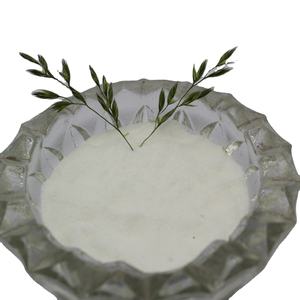
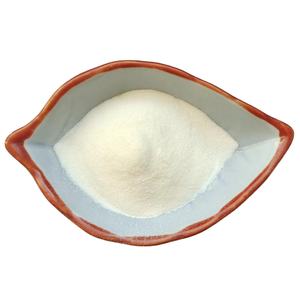
Methylcellulose (HPMC), te i'oa tinito o te hydroxypropyl methylcellulose ïa, o te hoê ïa afa-synthetic, Ether cellulose aita e ionic i noaa mai na roto i te tauiraa i te mau tao'a tahi ora. I muri a'e i to ' na iritiraa i roto i te pape, e nehenehe teie puehu uouo e hamani i te hoê faaafaroraa maramarama. He matotoru whakamiharo tona, te tape'araa i te pape, te vai-maitai-raa e te mau hoho'a teata. E mea faufaa roa te reira i roto i te mau ohipa e rave rahi, mai te paturaa i te fare.
Characteristics and advantages of Hydroxypropyl Methyl Cellulose HPMC of Wall Coating
Te pape maitai roa: E nehenehe te reira e faaore oioihia i roto i te pape to'eto'e no te faaineine i te hoê faatitiaifaroraa maramarama e te papû.
Te aravihi no te tape'a i te pape e te matotoru: Faarahi i te î o te mau tao'a, faaiti maitai i te hu'ahu'a o te pape, e te haamaitai i te aravihi o te ohipa.
Te vai - maitai - raa: E vai maitai to'na i ni'a i te mau hu'ahu'a, mau alkali, e te mau tote, e e mea tano no te mau faito pH e rave rahi.
Te mau faahopearaa no te hamaniraa i te hoho'a teata e te parururaa: I muri a'e i te maroraa, no te paruru i te hu'ahu'a e no te arai i te taheraa o te pape e te hu'ahu'a.
E ere i te mea taero e e ere i te mea ino: E taairaa maitai to ' na e e mea tano no te mau ohipa rapaauraa ma'i e te maa.
Te tauiraa: Na roto i te tauiraa i te faito o te monoraa e te poihâ o te mau hu'ahu'a, E nehenehe ta ' na ohipa e tauihia no te faaî i te mau titauraa e rave rau no te faaohiparaa.

Specifications of Hydroxypropyl Methyl Cellulose HPMC of Wall Coating
Te pape pu'e methyl (HPMC) for Wall Surface Finishing
Te mau haamaramaramaraa faufaa
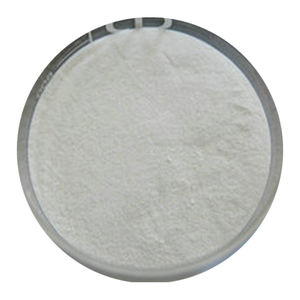
Tuhaʻa: Te puehu uouo e tae atu i te uouo. No visible contaminations.
Te î: E rave rahi mau huru maitatai, generally varying from 4,000 a 100,000 mPa · s (ua faitohia i te 2% Fa'a'ite, 20 ° C). The best viscosity makes sure excellent workability and movie formation in wall surface finishes.
Methoxy Content: I te rahiraa o te taime, i rotopu 19% e 24%. This impacts water retention and solubility.
Hydroxypropoxy Material: Usually from 4% a 12%. Helps boost adaptability and attachment.
Te mau mea e vai ra: Max 5%. Low dampness keeps the item stable during storage space.
pH: 6.0– 8.0 i roto i te hoê 2% faaafaroraa i te pape. Neutral pH sustains compatibility with common covering ingredients.
Te mau tao'a rehu: Eiaha hau atu i te 5%. Reduced ash means less inorganic deposits, which assists keep covering clearness and efficiency.
Te anuvera: I rotopu 58 ° C e 75 ° C. This range ensures the item stays dissolved under typical application problems.
Te tape'araa i te pape: ≥ 90% (evaluated under basic problems). High water retention permits concrete or gypsum-based coatings to hydrate appropriately, lowering cracks and improving bond toughness.
Te faaîraa: E nehenehe e reva i roto i te pape to'eto'e. Kinds clear to somewhat hazy services without lumps when combined correctly.
Te viivii ore: Fulfills sector requirements for construction-grade HPMC. Without harmful additives or fillers.
This HPMC grade is specially developed for interior and exterior wall coverings. It boosts consistency, prevents sagging, and boosts surface area smoothness. The product mixes easily with other raw materials and carries out well in both dry-mix and ready-mixed systems. Its dependable quality sustains consistent texture and lasting durability of ended up walls.
Applications of Hydroxypropyl Methyl Cellulose HPMC of Wall Coating
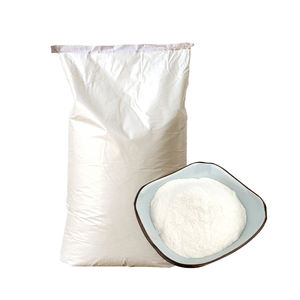
Te mau faaohiparaa i te pape pu'e (HPMC) in Wall Coatings
Why HPMC Matters in Wall Coatings
Te pape pu'e methyl (HPMC) is a crucial ingredient in lots of wall covering products. It assists enhance how the covering functions throughout application and after it dries. Home builders and painters rely upon HPMC due to the fact that it makes their work simpler and offers far better outcomes.
Water Retention for Stronger Bond
HPMC holds water inside the finish mix. This lets concrete or various other binders fully react before drying. Great water retention means the covering sticks well to wall surfaces. Aita te reira, the material may split or peel too soon.
Te faaohiparaa maitai a'e e te faaohiparaa maitai a'e
Wall coatings with HPMC spread more conveniently. The mix really feels smoother and remains regular. Employees can use it equally without extra effort. This additionally lowers waste and conserves time on duty site.
Avoids Drooping on Upright Surface Areas
When you layer a wall, gravity pulls the damp product downward. HPMC adds just sufficient thickness to stop this sagging. The finishing remains where you put it, also on high or uneven surfaces.
Improves Final End Up Top Quality
I muri a'e i te maroiraa, wall surfaces covered with HPMC appearance cleaner and a lot more consistent. There are fewer splits, bubbles, or rough spots. The surface also stands up to minor impacts much better gradually.
Compatible with Typical Building Materials
HPMC works well with cement, lime, gypsum, and several additives. It does not trigger undesirable reactions. This makes it risk-free to use in different types of wall systems– i roto i te fare e aore râ, i rapae.
Makers pick HPMC since it performs dependably under numerous weather. Whether it’s warm, nave, maro roa, e aore râ, HPMC assists keep wall coatings stable from blending to last remedy.
Hoho'a o te Taiete
O tatou te ti'a faatere o te ao nei i roto i te mau rave'a no te faatitiaifaro i te mau rave'a hamaniraa tauihaa. Ua matau - maitai - hia oia na te ao nei no to ' na fafauraa i te maimiraa, Fa'aterehia, e te ite aravihi, mai te omuaraa mai â o te mau matahiti 2012 mai â, ua horo'a matou i te mau rave'a no te faatitiaifaro i te mau fifi.
Na te ao taatoa nei, e nehenehe ta tatou e horo'a i te mau tao'a faaineineraa ti'a teitei e te mau tao'a hu'ahu'a.
E tuhaa ohipa aravihi to te taiete e te hoê tuhaa fenua no te hi'opo'araa i te maitai, te hoê piha maimiraa tei faaineine-maitai-hia, e te mau rave'a hi'opo'araa aravihi e te hoê pû taviniraa i muri a'e i te hooraa.
Mai te mea e, te anaanatae ra outou, A faaite mai ia matou.
Aufau
T/T, Tooa o te râ, Paypal, Tareta tarahu etc.
Te tonoraa
Na roto i te reva, na te moana, na roto i te faaiteraa, mai ta te feia hoo tao'a e ani ra.
5 FAQs of Hydroxypropyl Methyl Cellulose HPMC of Wall Coating
Frequently Asked Questions About HPMC for Wall Coating
What is HPMC and why is it used in wall coatings?
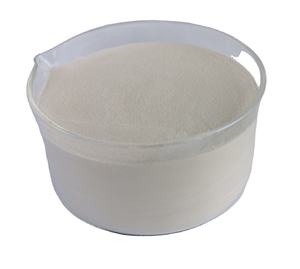
Te faataa ra te HPMC i te parau no te hydroxypropyl methyl cellulose. Ua hamanihia mai te reira i roto i te pape no roto mai i te cellulose mau. I roto i te mau tapo'i patu, HPMC helps the mixture stay smooth and easy to spread. It also stops the coating from drying too fast, which gives workers more time to finish the job neatly.
E haamaitai anei te HPMC i te piriraa?
ae. HPMC boosts how well the coating sticks to walls. It forms a thin film that holds the material firmly in place. This reduces the risk of peeling or cracking after the coating dries.
E nehenehe anei ta te HPMC e arai i te toparaa i nia i te mau vahi pou?
E nehenehe. HPMC adds thickness to the coating mix. This extra body keeps the material from sliding down walls during application. The result is an even layer without drips or runs.
E mea paruru anei te HPMC no te faaohiparaa i roto i te fare?
ae, it is. E ere te HPMC i te mea taero e aita e faatupu i te mau auahi ino. It meets safety standards for both residential and commercial buildings. People often use it in paints and plasters inside homes, fare haapiiraa, e te mau piha toro'a.
How much HPMC should be added to a wall coating mix?
The right amount depends on the product formula and the job you are doing. Most manufacturers suggest using between 0.2% e 0.5% of HPMC by total weight. A pee tamau i te mau faaueraa a te taata hoo. Too little may not give enough workability. Too much can make the mix too thick or slow to dry.
A TINIRAA I TE HOÊ PARAU
TE MAU HOPO'A FAATAA

China Hydroxypropyl Methyl Cellulose HPMC Powder Tile Adhesives 200000 260000 Hydroxy Propyl Cellulose L Grade
Cellulose Ether Hydroxypropyl Methyl Cellulose HPMC for Wall Putty Mortar Plaster Gypsum Skim Coat 100000 200000 CPS
100M/Tylose/Methocel/Culminal/Wallocel/Combizell/Mecellose

Hidroxypropyl methyl cellulose HPMC paura maa
Te faito teitei o te paturaa HPMC no te mau ofa'i