


Te mau tao'a tahi mâmâ | Te mau rave'a haaparareraa parau teitei no te cellular concrete


TE MAU PARAMETERS
Tuʻaroʻa
Introduce of Cement and lime based renders Vinyl Acetate Ethylene VAE/RDP
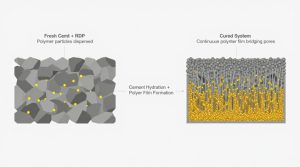
Te puehu polymer (RDP), ua pii - atoa - hia te puehu latex, o te hoê ïa polymer puehu i hamanihia na roto i te faamaraa i te hoê hu'ahu'a polymer. I muri a'e i to ' na farereiraa i te pape, e nehenehe teie paura e purara faahou no te hamani i te hoê faaîraa papû. E faaohipa-pinepine-hia te reira i roto i te mau rave'a paturaa mai te mau hu'ahu'a maro, Te mau tile, te mau hu'ahu'a mori, e te mau tao'a no te haamaitai i te piriraa, te pape, e te tauiraa e te vai - maitai - raa.
Features of Cement and lime based renders Vinyl Acetate Ethylene VAE/RDP
Te puai o te taairaa: Te haamaitairaa rahi i te puai o te taairaa i rotopu i te mori e te tahi atu mau tao'a niu, te faaitiraa mai i te apoo e te toparaa.
A haamaitai i te tauiraa: A horo'a i te mau tao'a niuhia i ni'a i te sima i te maitai a'e o te faatororaa e te pato'iraa i te mau vavahiraa, no te patoi maitai i te mau vavahiraa i faatupuhia e te mau tauiraa o te anuvera e te mau aueueraa fenua.
Haamaitai i te maoro: A haamaitai i te huru o te mau materia, No te faaroa i to'na oraraa taviniraa, te pato'iraa i te freeze-thaw e te pato'iraa i te ino.
Te paturaa ohie: No te faaafaro i te mau ohipa paturaa e te mau tauiraa, a haamaitai i te ahu e te taime no te iritiraa i te mori.
Te parururaa i te mau mea e haaati ra ia tatou: aita e hu'ahu'a, te faaî ra i te mau titauraa no te parururaa i te mau mea e haaati ra ia tatou, e e mea tano no te paturaa i te mau fare matie.
Te taairaa maitai: E nehenehe te reira e faaohipa-pinepine-hia i roto i te mau huru tao'a paturaa e rave rahi e te mau huru tao'a sima atoa.
Specification of Cement and lime based renders Vinyl Acetate Ethylene VAE/RDP
Spec of Cement and Lime-Based Renders with Plastic Acetate Ethylene (VAE/RDP)
Hi'opo'a i te tumu parau
This make combines conventional concrete and lime with a modern-day polymer additive: Ethylene hu'ahu'a (URU), also known as Redispersible Polymer Powder (RDP). The mix produces a solid, parau parau, and breathable finishing for both interior and exterior wall surfaces. It sticks well to brick, pape'amu, and obstruct surface areas.
Te mau Taviri
Te taairaa: VAE/RDP helps the make bond snugly to various substratums. This lowers breaking and peeling in time.
Mea maitai a'e te ohipa: The mix is simple to apply by hand or device. It stays smooth and regular during application.
Ua faarahihia te tauiraa: The polymer gives the make some provide, which aids it take care of small activities in the building framework without damaging.
Te pato'iraa i te pape: While still permitting dampness vapor to go through, the provide resists liquid water far better than typical blends. This reduces the threat of damp damages.
Te maoro: The last surface area stands well to weather, Te mau tauiraa i te faito anuvera, e te ahu i te mau mahana atoa.
Te mau faaohiparaa matauhia
Utilize this make on brand-new builds or improvement projects. It functions well on outside wall surfaces that face rain and wind. It is additionally appropriate for interior smudging where a smooth, long lasting finish is needed. Typical uses include domestic homes, commercial structures, and remediation work with historical structures.
Te mau faaararaa i te pae no te rave'a aravihi
The base mix consists of Portland cement, moisturized lime, great sand, and 1– 4% VAE/RDP by weight of total completely dry ingredients. Specific ratios rely on the preferred performance and regional criteria. Constantly comply with mixing directions thoroughly. Use tidy water and stay clear of adding additional cement or lime unless defined. A faaohipa i te anuvera i rotopu 5 ° C e 30 ° C. Protect fresh provide from straight sunlight, Matangi, and freezing problems throughout curing.

Applications of Cement and lime based renders Vinyl Acetate Ethylene VAE/RDP
Applications of Concrete and Lime-Based Provides with Plastic Acetate Ethylene (VAE/RDP)
Puai a'e, Smoother Wall Surface Completes
Concrete and lime-based makes are widely used for exterior and indoor wall surface finishes. When blended with Plastic Acetate Ethylene (URU) te puehu polymer– also called RDP — these makes gain crucial performance advantages. VAE/RDP imitates a binder that holds the provide together more securely.
The addition of VAE/RDP significantly enhances attachment. The make sticks much better to surfaces like concrete, pape, e aore râ, te mau papa'i. This indicates fewer splits and less risk of the product removing gradually. It additionally makes the render more flexible. Wall surfaces normally expand and acquire with temperature adjustments. An adaptable make relocations with the wall as opposed to breaking.
Mea maitai a'e te ohipa e te pato'iraa i te pape
Home builders discover these modified provides much easier to use. The mix really feels smoother and spreads out much more evenly. Troweling comes to be less initiative, and the surface area coating looks cleaner. I te hoê â taime, VAE/RDP decreases water absorption. Rainfall or dampness will not soak into the wall as easily. This helps protect the building structure from moisture and mold and mildew.
Resilient Security for Modern Construction
These boosted provides are excellent for today’s energy-efficient buildings. They work well over external thermal insulation systems (FA'AUEHIA), where solid bonding and weather resistance are important. The polymer additionally improves impact resistance. Wall surfaces can much better take care of bumps or small knocks without breaking.
In improvement projects, VAE-modified lime-cement renders deal breathable yet robust finishes for historical masonry. They protect the look of conventional plaster while adding modern-day longevity.
I te rahiraa o te taime, utilizing VAE/RDP in cement and lime provides home builders a trustworthy, high-performance service. It fixes common issues like inadequate adhesion, te parari, e te faainoraa i te pape– without complicating the application process.
Horo'araa parau no te Taiete
Aroha mai ki te Concrete e te tahi atu â, te hoê taata horo'a rahi no te mau rave'a haaparareraa parau teitei, e tae noa'tu i ta tatou mau rave'a faaiti pape. Te mau matahiti ite i roto i te matete o te ao nei, te horo'a nei matou i te mau rave'a aravihi no te haamaitai i te huru e te aravihi o te mau opuaraa paturaa na te ao nei. Te haapapu nei ta tatou mau fare hamaniraa tauihaa apî roa a'e i te mau tao'a maitai roa a'e o te tu'ati i te mau titauraa a te ao nei. Te oaoa nei matou i te taviniraa faahiahia roa a te feia hoo, patururaa i te pae no te rave'a aravihi, e te mau rave'a faatitiaifaroraa no te pahono i te mau hinaaro taa ê o te opuaraa. A amui atu ia matou no te ti'aturi, faaapî, e te mau rave'a haamau'araa moni ore o te arata'i i ta outou mau opuaraa i mua. A hi'o hau atu â i ni'a i te www.. E patu amui tatou i te tau no a muri a'e!
Mai te mea e uiuiraa ta outou, Aita e feaaraa ia farerei ia matou.
Te mau rave'a aufau
T/T, Tooa o te râ, Paypal, Tareta tarahu etc.
Te mau rave'a no te tono
Na roto i te reva, na te moana, na roto i te faaiteraa, mai ta te feia hoo tao'a e ani ra.
5 FAQs of Cement and lime based renders Vinyl Acetate Ethylene VAE/RDP
Frequently Asked Questions About VAE/RDP in Cement and Lime Renders
What is VAE/RDP?
VAE/RDP stands for Vinyl Acetate Ethylene Redispersible Polymer Powder. It is a fine powder added to cement or lime-based renders. Ia anoihia te reira i te pape, E riro faahou te reira ei hoho'a teata polymer. This helps the render stick better and become more flexible.
Why add VAE/RDP to renders?
Adding VAE/RDP improves many key properties. It makes the render stronger and less likely to crack. It also boosts adhesion to surfaces like concrete, Kave, e aore râ, te mau papa'i. E maitai atoa te patoiraa i te pape e te aravihi no te rave i te ohipa. The render becomes easier to apply and stays workable longer.
How much VAE/RDP should I use?
The right amount depends on your mix and what you need the render to do. Te mau faito matauhia mai te 1% a 5% o te poihâ maro taatoa. For basic adhesion, 1–2% may be enough. For high flexibility or waterproofing, you might need 3–5%. A pee tamau i te mau faaueraa a te taata hamani.
Does VAE/RDP affect drying time?
ae, it can slow down drying slightly. The polymer forms a film that holds moisture in longer. This can be helpful in hot or dry weather because it gives more time for proper curing. But in cold or humid conditions, allow extra drying time before applying finishes.
Can VAE/RDP be used outdoors?
ae, it works well in exterior renders. It improves resistance to rain, te mau tauiraa o te anuvera, e te paari. The polymer helps the render handle expansion and contraction without cracking. Just make sure the full system—base coat, reinforcement, and finish—is designed for outdoor use.
A TINIRAA I TE HOÊ PARAU
TE MAU HOPO'A FAATAA

Factory VAE RDP Powder Redispersible Emulsion Powder Redispersible Polymer Powder
JINGZUAN Reliable RDP Gypsum plaster Additive Redispersible Powder
RDP Taato'araa o te fare hamaniraa tauihaa RDP Te mau tao'a faaî i te pape no te gypsum

2023 Best Construction Grade Hydroxypropyl Methyl Cellulose HPMC Redispersible Polymer Powder RDP for Wall Putty Mortar
HPMC/MHEC/HEC/CMC/RDP Te mau rave'a haaparareraa parau mhec hpmc puehu
