Te mau tao'a tahi mâmâ | Te mau rave'a haaparareraa parau teitei no te cellular concrete


TE MAU PARAMETERS
Tuʻaroʻa
Introduce of Redispersible Polymer Powder RDP Acrylic Polymer for Cement
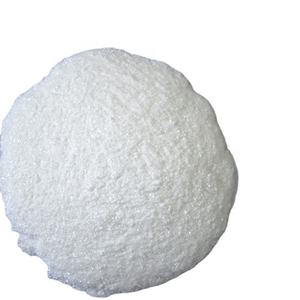
Te puehu polymer (RDP), ua pii - atoa - hia te puehu latex, o te hoê ïa polymer puehu i hamanihia na roto i te faamaraa i te hoê hu'ahu'a polymer. I muri a'e i to ' na farereiraa i te pape, e nehenehe teie paura e purara faahou no te hamani i te hoê faaîraa papû. E faaohipa-pinepine-hia te reira i roto i te mau rave'a paturaa mai te mau hu'ahu'a maro, Te mau tile, te mau hu'ahu'a mori, e te mau tao'a no te haamaitai i te piriraa, te pape, e te tauiraa e te vai - maitai - raa.
Features of Redispersible Polymer Powder RDP Acrylic Polymer for Cement
Te puai o te taairaa: Te haamaitairaa rahi i te puai o te taairaa i rotopu i te mori e te tahi atu mau tao'a niu, te faaitiraa mai i te apoo e te toparaa.
A haamaitai i te tauiraa: A horo'a i te mau tao'a niuhia i ni'a i te sima i te maitai a'e o te faatororaa e te pato'iraa i te mau vavahiraa, no te patoi maitai i te mau vavahiraa i faatupuhia e te mau tauiraa o te anuvera e te mau aueueraa fenua.
Haamaitai i te maoro: A haamaitai i te huru o te mau materia, No te faaroa i to'na oraraa taviniraa, te pato'iraa i te freeze-thaw e te pato'iraa i te ino.
Te paturaa ohie: No te faaafaro i te mau ohipa paturaa e te mau tauiraa, a haamaitai i te ahu e te taime no te iritiraa i te mori.
Te parururaa i te mau mea e haaati ra ia tatou: aita e hu'ahu'a, te faaî ra i te mau titauraa no te parururaa i te mau mea e haaati ra ia tatou, e e mea tano no te paturaa i te mau fare matie.
Te taairaa maitai: E nehenehe te reira e faaohipa-pinepine-hia i roto i te mau huru tao'a paturaa e rave rahi e te mau huru tao'a sima atoa.

Specification of Redispersible Polymer Powder RDP Acrylic Polymer for Cement
Te puehu polymer (RDP)– Polymer Kind for Concrete Applications
Hi'opo'araa i te tao'a
This redispersible polymer powder is an acrylic-based additive designed for use in cementitious systems. It boosts versatility, Fa'aito'ira'a, e te pato'iraa i te pape i roto i te mau mori maro. The powder liquifies in water during blending and develops a constant polymer movie as the mortar treatments.
Te mau huru faufaa
Te hoê taairaa papû: Boosts bond to numerous substratums such as concrete, te tahua, raau raau, e te mau papa'i.
Te tauiraa maitai a'e: Reduces splitting by allowing the mortar to take in anxiety without breaking.
Te patoiraa i te pape: Decreases water absorption while maintaining vapor permeability, which aids protect against damage from wetness.
Te nehenehe e rave i te ohipa: Makes the mix smoother and much easier to apply with enhanced open time.
Tō'tō: Increases long-lasting performance under freeze-thaw cycles and mechanical tension.
Te mau faaohiparaa tamau
This RDP is typically utilized in:
– Te mau tao'a tapiri
– Te mau rave'a no te faaoti i te mau insulation i rapae (EIFS).
– Te mau rave'a no te faito ia'na iho.
– Te tata'uraa i te mau mori.
– Te mau hu'ahu'a pape.
– Te mau hu'ahu'a e te mau hoho'a.
Te mau huru aravihi
Typical particle dimension: 80– 120 microns.
Te matotoru: 450– 600 g/L.
Te mau tao'a rehu: ~ 10%.
Te faito anuvera iti roa a'e o te hoho'a teata (MFFT): 5– 10 ° C.
Polymer maitai: Vinyl acetate– ethylene (URU) or pure acrylic, te ti'aturiraa i ni'a i te faito.
Te vahi tape'araa e te vahi tape'araa
Fatu i roto i te hoê vahi faahiahia, te hoê vahi maro roa i te atea i te maramarama o te mahana. Maintain bags secured when not in use to prevent moisture uptake. Te faaohiparaa i roto 12 months of production day for ideal results. Avoid call with eyes and skin. Use typical safety equipment during handling.

Applications of Redispersible Polymer Powder RDP Acrylic Polymer for Cement
Te mau faaohiparaa i te puehu polymer (RDP) in Cement-Based Products
Puai a'e, Extra Adaptable Building Products
Te puehu polymer e nehenehe e vavahi - faahou - hia (RDP), especially acrylic-based types, is extensively used to enhance concrete items. When mixed with water and concrete, RDP develops a versatile movie inside the hard product. This film aids bind bits with each other much more tightly. Ei faahopearaa, the end product becomes stronger and less likely to crack.
Much Better Bond for Floor Tiles and Provides
One major use of RDP is in ceramic tile adhesives. Without polymer ingredients, cement alone may not stick well to smooth surface areas like tiles or glass. Including RDP substantially raises bond. It permits the adhesive to hold firmly also under damp conditions or temperature adjustments. The same advantage puts on exterior makes and plasters, where solid bonding to wall surfaces is important.
Te pato'iraa i te pape e te itoito
Cement items usually take in water conveniently. This can bring about damage over time, especially outdoors. RDP minimizes water absorption by filling up small voids in the cement matrix. The surface comes to be a lot more resistant to rain, haumi, e te mau hu'ahu'a toetoe. This makes RDP-modified mortars ideal for exteriors, mau piha i raro, and shower rooms.
Te aravihi no te rave i te ohipa e te taime no te tatararaa
Contractors likewise appreciate just how RDP boosts workability. The powder aids the mix remain smooth and easy to spread. It prolongs “te taime matara”– the duration during which floor tiles or layers can be adjusted after application. This gives employees more control and reduces waste at work site.
Flexible Use Throughout Construction
From self-leveling flooring compounds to repair mortars and EIFS (Exterior Insulation Finishing Equipments), RDP plays a key duty. Its ability to improve versatility, Fa'aito'ira'a, and weather condition resistance makes it a go-to additive in contemporary building. Service providers count on it to meet performance criteria while maintaining mixes simple and cost-effective.
Hoho'a o te Taiete
O tatou te ti'a faatere o te ao nei i roto i te mau rave'a no te faatitiaifaro i te mau rave'a hamaniraa tauihaa. Ua matau - maitai - hia oia na te ao nei no to ' na fafauraa i te maimiraa, Fa'aterehia, e te ite aravihi, mai te omuaraa mai â o te mau matahiti 2012 mai â, ua horo'a matou i te mau rave'a no te faatitiaifaro i te mau fifi.
Na te ao taatoa nei, e nehenehe ta tatou e horo'a i te mau tao'a faaineineraa ti'a teitei e te mau tao'a hu'ahu'a.
E tuhaa ohipa aravihi to te taiete e te hoê tuhaa fenua no te hi'opo'araa i te maitai, te hoê piha maimiraa tei faaineine-maitai-hia, e te mau rave'a hi'opo'araa aravihi e te hoê pû taviniraa i muri a'e i te hooraa.
Mai te mea e, te anaanatae ra outou, A faaite mai ia matou.
Aufau
T/T, Tooa o te râ, Paypal, Tareta tarahu etc.
Te tonoraa
Na roto i te reva, na te moana, na roto i te faaiteraa, mai ta te feia hoo tao'a e ani ra.
5 FAQs of Redispersible Polymer Powder RDP Acrylic Polymer for Cement
Te mau uiraa ui-pinepine-hia no ni'a i te puehu polymer (RDP)
What is RDP acrylic polymer powder?
He uouo te RDP, te pau puehu i hamanihia mai roto mai i te mau polymers acrylic. It mixes easily with cement and water. When added to dry-mix products like tile adhesives or renders, it forms a flexible film after curing. E haamaitai te reira i te piriraa, te tauiraa, e te pato'iraa i te pape.
Nahea te RDP ia haamaitai i te mau tao'a niuhia i ni'a i te sima?
RDP boosts key performance traits. It makes the mix stick better to surfaces like tiles, pape'amu, e aore râ, te raau. E faaiti atoa te reira i te vavahiraa na roto i te horoaraa i te mau tauiraa. Water resistance goes up because the polymer fills tiny gaps in the cement matrix. Workability improves too—workers find the mix smoother and easier to spread.
E faaohipa-pinepine-hia te RDP i hea?
You’ll find RDP in many construction materials. I roto i te mau faaohiparaa matauhia, te vai ra te mau tile, Te mau rave'a no te faaoti i te mau rave'a no te hi'opo'a i te rapae (EIFS), Te mau rave'a no te faito ia'na iho, tata'i i te mau mori, e te mau hu'ahu'a pape. It’s essential in any dry-mix product that needs strong bonding and long-term durability.
How much RDP should be added to a mix?
E faataahia te faito tano i nia i te faaohiparaa. No te mau tile, mai te 1% a 5% o te poihâ maro taatoa. For high-performance repair mortars, it may go up to 8%. Always follow the manufacturer’s guidelines. Too little won’t give full benefits. Too much can weaken the mix or raise costs unnecessarily.
E mea paruru anei te RDP e e mea papû anei i roto i te taime no te tape'araa?
ae, E mea paruru te RDP ia faaohipa-maitai-hia. A tapea i te reira i roto i te hoê vahi to'eto'e, te vahi maro i te atea i te haumi. Keep bags sealed until use. The powder remains stable for 6 a 12 months if stored correctly. Avoid exposure to heat or humidity—these can cause clumping or premature reaction. Use standard safety gear like gloves and masks during handling.
A TINIRAA I TE HOÊ PARAU
TE MAU HOPO'A FAATAA
RDP PVA HPMC PP Fiber VAE no te mau hu'ahu'a no te mau hu'ahu'a no te mau hu'ahu'a
Te mau tao'a paturaa i te mau tao'a paturaa Vae Rdp te puehu uouo

Factory Cheap Redispersible Polymer Powder RDP VAE Chemical for Construction Additive
E mea tano no te mau rave'a haaparareraa parau no Garmin Pod silicone Tapo'i i te mau hu'ahu'a Polymer RDP
2024 Chemical Redispersible Polymer Powder VAE RDP for Mortar