Te mau tao'a tahi mâmâ | Te mau rave'a haaparareraa parau teitei no te cellular concrete


TE MAU PARAMETERS
Tuʻaroʻa
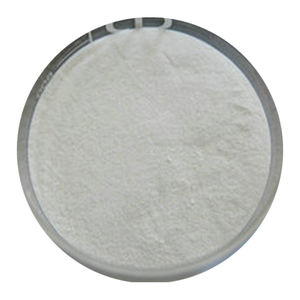
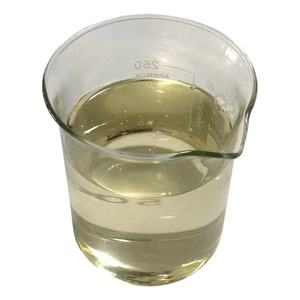
Overview of Polycarboxylic Acid Concrete Water Reducing Agent PCE for Premixed Concrete
Polycarboxylic Acid Concrete Water Reducing Agent PCE for Premixed Concrete represents the third generation of water-reducing agents following lignin and naphthalene-based types, Te faahoho'a ra te reira i te ti'araa teitei o te mau rave'a aravihi apî. E faaohipa teie tao'a i te hoê hoho'a hamaniraa hu'ahu'a aravihi e te faaohipahia ra te reira na roto i te mau ravea polymerization, te faatupu nei te reira i te hoê rave'a no te faaiti i te pape e te hoê hamaniraa hu'ahu'a mai te hoê hi'opo'araa. E faatupu te reira i te parareraa o te mau hu'ahu'a sima na roto i te hoê faahopearaa puai o te steric, Te haamaitairaa rahi i te aravihi no te rave i te ohipa e te mau rave'a paturaa. O te reira te mau materia faufaa roa a'e no te haamau i te ha'utiraa teitei, puai teitei, e te raima teitei.
Features of Polycarboxylic Acid Concrete Water Reducing Agent PCE for Premixed Concrete
1. Te faito teitei o te faaitiraa i te pape: E tae roa'tu i te 40% faaiti i te pape, Te faaitiraa rahi i te faito o te pape i te hoê faito simeni e te horo'araa i te hoê niu papû no te hamani i te simeni puai e te puai roa (C60 e i ni'a).
2. Te tape'araa Slump maitai roa: E nehenehe te hoê rave'a aravihi otahi no te tape'a i te mau fifi e faatere maitai i te ereraa i te moni, te tape'araa i te aravihi no te rave i te ohipa e te aravihi no te 1-2 hora. E pahono te reira i te mau hinaaro o te tereraa pereoo atea e te paturaa i te mau tau veavea rahi.
3. Te faito iti, aravihi rahi: Ia faaauhia i te mau ravea faaiti pape anamua, E titauhia te hoê faito iti a'e (I te rahiraa o te taime 0.15%-0.3% na roto i te poihâ o te mau tao'a sima) ma te horo'a i te hoê ha'utiraa faufaa, Te horoa ra i te mau maitai rahi a'e i te pae faanavairaa faufaa e te mau mea e haaati ra ia tatou.
4. Te mau tauiraa maitai a'e: E tu'ati te reira i te mau tapa'o sima e rave rahi e te mau tao'a taero (e.g., rehu rere, paura taero, hu'ahu'a silica), te faatitiaifaroraa maitai i te mau fifi matauhia mai te taheraa toto e te faataaraa i roto i te simeni.
5. Te matie e te auhoa: I te roaraa o te hamaniraa, aita e mau tao'a ino mai te formaldehyde e te mau nitrites, aita e ino i te taata, auhoa i te mau mea e haaati ra ia tatou, e te au i te mau titauraa no te paturaa fare matie e te faahoturaa tamau.
6. Te haamaitairaa rahi i te puai: Ua manuïa te hoê 10%-15% te faaitiraa mai i te faaohiparaa i te sima no te hoê â puai, e aore râ, e faarahi rahi te reira i te puai o te raima i te mau matahiti atoa e te hoê â faito sima.
7. Te haamaitairaa i te roaraa o te concrete: E faaiti maitai i te faito o te haaparareraa i te chloride, e faatitiaifaro i te itiraa e te totoro, e te haamaitai rahi i te huru o te mau hu'ahu'a, te pato'iraa i te toetoe, e te pato'iraa i te carbonation, te faaroaraa i te oraraa o te taviniraa.

Parameters of Polycarboxylic Acid Concrete Water Reducing Agent PCE for Premixed Concrete
Polycarboxylic Acid Concrete Water Reducing Representative (PCE)– Key Parameters for Premixed Concrete
Te mau huru aravihi
This polycarboxylic acid-based water lowering representative supplies solid water decrease ability. It can lower the water content in concrete by 25% a 40% without impacting workability. The item keeps the concrete mix liquid and simple to place, even at low water-cement ratios.
Dose Range
The recommended dose is 0.15% a 0.35% na roto i te poihâ o te mau tao'a sima. Actual usage relies on concrete type, hoho'a ano'i, and wanted depression. Constantly run a test batch prior to major use.
Te tu'atiraa
The PCE agent works well with a lot of Rose city concretes, slag, rehu rere, and silica fume. It also blends efficiently with other typical admixtures like air-entraining agents or retarders. Noa, test compatibility when changing material resources.
Setting Time
This product has little effect on preliminary and final setup times under typical problems. In cold weather or with certain cements, minor hold-ups might happen. Changes can be made with set-accelerating admixtures if required.
Toughness Development
Concrete made with this PCE shows quick early stamina gain. One-day compressive toughness often surpasses 20 MPa. I 28 mahana, strength boosts by 20% a 30% compared to basic mixes without high-range water reducers.
Slump Retention
The agent provides excellent slump retention for approximately 90 miniti. This makes it perfect for long-haul ready-mix shipments or hot-weather concreting. Downturn loss remains below 25 mm for the most part throughout this window.
Chloride Web content
The item contains no added chlorides. It satisfies ASTM C494/C494M requirements for Type F and G high-range water-reducing admixtures.
Te vahi tape'araa e te faatereraa
Store in original containers at temperatures in between 5 ° C e 35 ° C. A ape i te toetoe. Shake or stir before usage if splitting up happens. Service life is one year when saved effectively.
Applications of Polycarboxylic Acid Concrete Water Reducing Agent PCE for Premixed Concrete
Applications of Polycarboxylic Acid Concrete Water Reducing Representative (PCE) in Premixed Concrete
Boosted Workability and Flow
Polycarboxylic acid-based water minimizing agents, or PCEs, substantially boost the flow of premixed concrete. They allow the mix to remain fluid longer without including extra water. This makes putting and placing less complicated on site. Professionals get smooth, regular outcomes also in complicated kinds or limited areas.
Puai a'e, Denser Concrete
By reducing the water web content while maintaining workability high, PCEs aid generate stronger concrete. Less water suggests fewer spaces after treating. The last framework ends up being denser and extra resilient. This is specifically helpful for high-strength applications like bridges, Te mau fare teitei, and industrial floorings.
Better Control Over Setup Time
PCE admixtures give producers better control over exactly how quick concrete collections. This matters a whole lot in hot weather or throughout long runs from plant to task site. The right PCE formula maintains the mix fresh up until it prepares to be placed, lowering waste and revamp.
Boosted Complete and Surface Quality
Concrete made with PCE shows less surface area issues. It resists segregation and blood loss, which usually create honeycombing or weak spots. E mea mâ a'e te faahopearaa, faaotiraa ahu taa ê– optimal for revealed building aspects or precast panels.
Compatibility and Consistency
Modern PCE products work well with different concretes, auxiliary materials like fly ash or slag, and various other typical admixtures. This flexibility aids ready-mix vendors preserve batch-to-batch consistency. Reliable efficiency means fewer delays and smoother procedures on website.
Sustainable Efficiency
Because PCEs lower water and concrete requirements without compromising strength, they support greener building. Reduced cement utilize cuts carbon monoxide two emissions. I taua atoa taime ra, the prolonged workability decreases the need for additional truck trips or retempering, conserving fuel and labor.
Hoho'a o te Taiete
O tatou te ti'a faatere o te ao nei i roto i te mau rave'a no te faatitiaifaro i te mau rave'a hamaniraa tauihaa. Ua matau - maitai - hia oia na te ao nei no to ' na fafauraa i te maimiraa, Fa'aterehia, e te ite aravihi, mai te omuaraa mai â o te mau matahiti 2012 mai â, ua horo'a matou i te mau rave'a no te faatitiaifaro i te mau fifi.
Na te ao taatoa nei, e nehenehe ta tatou e horo'a i te mau tao'a faaineineraa ti'a teitei e te mau tao'a hu'ahu'a.
E tuhaa ohipa aravihi to te taiete e te hoê tuhaa fenua no te hi'opo'araa i te maitai, te hoê piha maimiraa tei faaineine-maitai-hia, e te mau rave'a hi'opo'araa aravihi e te hoê pû taviniraa i muri a'e i te hooraa.
Mai te mea e, te anaanatae ra outou, A faaite mai ia matou.
Aufau
T/T, Tooa o te râ, Paypal, Tareta tarahu etc.
Te tonoraa
Na roto i te reva, na te moana, na roto i te faaiteraa, mai ta te feia hoo tao'a e ani ra.
5 FAQs of Polycarboxylic Acid Concrete Water Reducing Agent PCE for Premixed Concrete
Frequently Asked Questions About Polycarboxylic Acid (PCE) Water Reducing Agent for Premixed Concrete
What is a PCE water reducing agent?
A PCE water reducing agent is a high-performance chemical used in premixed concrete. It reduces the amount of water needed while keeping the concrete workable. This helps produce stronger, more durable concrete without changing the mix design.
Why use PCE instead of other water reducers?
PCE offers better water reduction than traditional agents like naphthalene or lignosulfonate types. It gives higher slump retention, which means the concrete stays easy to pour and place over time. It also works well with different cements and mineral additives.
How does PCE improve concrete strength?
By cutting down water content, PCE lowers the water-cement ratio. A lower ratio directly leads to higher compressive and flexural strength. The concrete becomes denser, which also improves its resistance to water penetration and chemical attack.
Is PCE compatible with other admixtures?
ae, PCE generally mixes well with common admixtures like air-entraining agents, mau retarders, e aore râ, te mau rave'a. Noa, always test the full mix before large-scale use. Some combinations may affect setting time or workability.
Eaha te faito e tia ia ' u ia faaohipa?
Te faito matauhia mai te 0.15% a 0.35% na roto i te poihâ o te sima. The exact amount depends on the desired slump, huru sima, e te mau huru oraraa. Start with the supplier’s recommendation and adjust based on trial batches. Too much PCE can cause segregation or excessive retardation.
A TINIRAA I TE HOÊ PARAU
TE MAU HOPO'A FAATAA

Te pape re'are'a tei niuhia i ni'a i te pape re'are'a PCE

Te mau rave'a no te faaiti i te pape e te mau hu'ahu'a teitei
Concrete Water Reducing Agent Low PCE Polycarboxylic Acid Water Reducer

Te paturaa i faaohipahia te Polycarboxylate Superplasticizer Te hoê rave'a no te faaiti i te pape no te hoê ti'a teitei
Te pape pu'e PCE Te faaitiraa i te pape Polycarboxylate Te metua vahine inu ava