


Lightweight Concrete Additives | High-Performance Foaming Agents for Cellular Concrete


PRODUCT PARAMETERS
Description
Overview of Sodium Lignosulfonate Concrete Admixture as Plasticizer for Concrete and Mortar
Sodium Lignosulfonate Concrete Admixture as Plasticizer for Concrete and Mortar is chemical compounds added to concrete mixtures to improve various properties of the material, such as workability, strength, durability, and curing time. These additives include plasticizers, retarders, accelerators, waterproofing agents, and air-entraining agents, each designed to meet specific needs in concrete production. Concrete additives are commonly used in both commercial and residential construction, as well as in the production of precast and ready-mix concrete. By enhancing the performance and quality of concrete, these additives help improve the overall efficiency of construction projects while ensuring the durability and longevity of the finished structure. They are easy to incorporate into the mix and provide cost-effective solutions for optimizing concrete properties in a wide range of applications.
Characteristics of Sodium Lignosulfonate Concrete Admixture as Plasticizer for Concrete and Mortar
Enhanced Strength: Concrete additives can significantly increase the compressive strength of concrete, making it more resilient to pressure and stress. This ensures the longevity and durability of structures, reducing the likelihood of cracking or failure.
Improved Workability: Additives such as plasticizers and superplasticizers improve the flowability and consistency of concrete, making it easier to handle, pour, and finish. This enhances productivity on the construction site and reduces labor costs.
Faster Curing: Accelerators, a type of concrete additive, help speed up the curing process, allowing for quicker setting times and faster completion of projects. This is especially useful in cold weather or when fast-tracking construction timelines.
Increased Durability: Many additives, like water-reducing agents and waterproofing compounds, increase the resistance of concrete to harsh environmental conditions such as freeze-thaw cycles, water ingress, and chemical exposure, ensuring long-term performance.
Better Adhesion and Bonding: Certain additives improve the bonding between the concrete and other materials, such as reinforcing steel or aggregates, enhancing the overall structural integrity and reducing the chances of delamination or separation.
Versatility for Various Applications: Concrete additives are highly versatile and can be used in a wide range of applications, from residential buildings to large-scale infrastructure projects. They are formulated to meet specific needs such as high-strength concrete, self-compacting concrete, or durable concrete for extreme conditions.
Cost-Efficient: By improving the quality and performance of concrete, additives reduce the need for additional maintenance and repairs, leading to significant cost savings in the long term. Additionally, they help optimize the mix design, reducing material waste.
Environmentally Friendly: Many modern concrete additives are formulated with eco-friendly ingredients, contributing to more sustainable construction practices. These additives help minimize the carbon footprint and improve the environmental performance of the concrete.
Enhanced Surface Finish: Additives like air-entraining agents can improve the finish and appearance of concrete by preventing defects like cracking, honeycombing, or surface dusting, ensuring a smooth, professional-grade surface.

Specification of Sodium Lignosulfonate Concrete Admixture as Plasticizer for Concrete and Mortar
Sodium Lignosulfonate Concrete Admixture
What It Is
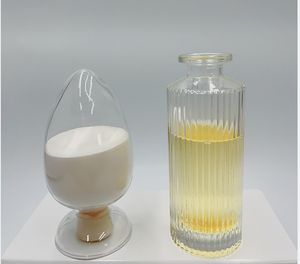
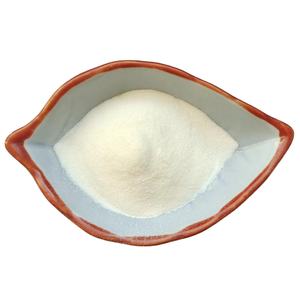
Salt lignosulfonate is a water-soluble powder made from wood pulp. It works as a plasticizer in concrete and mortar blends. This admixture aids enhance workability without adding added water.
How It Works
When mixed right into concrete or mortar, salt lignosulfonate spreads cement particles equally. This activity minimizes the mix’s inner rubbing. Therefore, the combination flows far better and becomes much easier to put and compact. You obtain smoother finishes with less initiative.
Secret Advantages
Boosted Workability: The mix stays soft and very easy to handle, even with reduced water material.
Water Decrease: You can reduce water usage by 5% to 10% while keeping the same consistency. This causes more powerful, denser concrete.
Much better Strength: Less water suggests fewer gaps after curing. That boosts both very early and last compressive toughness.
Price Cost savings: You save money on cement since the exact same performance can be achieved with somewhat much less product.
Eco-Friendly: Sodium lignosulfonate originates from sustainable timber resources. It is eco-friendly and safe for common building use.
Exactly how to Utilize
Add 0.1% to 0.3% of salt lignosulfonate by weight of cement. Mix it with the batch water prior to adding to completely dry active ingredients. Always comply with neighborhood guidelines and run small trial sets first. Store the powder in a cool, completely dry place away from moisture.
Common Applications
This admixture matches ready-mix concrete, precast products, masonry mortars, grouts, and floor tile adhesives. It functions well in regular weather conditions and basic building projects. Avoid using it in freezing temperatures unless integrated with appropriate accelerators.

Applications of Sodium Lignosulfonate Concrete Admixture as Plasticizer for Concrete and Mortar
Applications of Sodium Lignosulfonate as a Concrete Plasticizer
Improve Workability Without Extra Water
Sodium lignosulfonate is extensively made use of as a plasticizer in concrete and mortar blends. It assists make the combination less complicated to blend, location, and coating. This occurs without adding more water. Keeping water material low is important. It brings about stronger and more long lasting concrete.
Increase Stamina and Reduce Cracking
By lowering the water-to-cement ratio, salt lignosulfonate enhances the last strength of concrete. Less water means less voids after healing. That makes the structure denser and much less most likely to split. Builders use it in foundations, pieces, and precast components where high performance issues.
Conserve Time and Materials on Website
This admixture also decreases the setting time somewhat. That gives employees more time to take care of and form the concrete, particularly in heat. It minimizes waste since the mix remains workable longer. Professionals find it helpful for large pours or when shipment times are limited.
Job Well in Many Mix Kind
Salt lignosulfonate deals with average Rose city concrete and other typical binders. It mixes quickly right into ready-mix trucks or batch plants. You can utilize it in basic concrete, masonry mortar, tile adhesives, and also some cements. Just follow the advised dose– usually 0.1% to 0.3% by weight of cement.
Economical and Eco-Friendly Selection
This item originates from wood pulp handling, so it’s a renewable resource. It sets you back less than many synthetic superplasticizers but still supplies strong results. For jobs that need trusted performance without high expense, sodium lignosulfonate is a wise pick. It fulfills industry requirements and sustains lasting building practices.
Company Profile
We are the global leader in lightweight concrete and advanced engineered foam solutions. Known globally for its commitment to research, innovation, and applied expertise, we have been providing engineered foam solutions since the early 2012’s.
We can supply high-quality concrete admixture and foam concrete related products all over the world.
The company has a professional technical department and quality supervision department, a well-equipped laboratory, and equipped with advanced testing equipment and after-sales customer service center.
If you are interested, please feel free and contact us.
Payment
T/T, Western Union, Paypal, Credit Card etc.
Shipment
By air, by sea, by express, as customers request.
5 FAQs of Sodium Lignosulfonate Concrete Admixture as Plasticizer for Concrete and Mortar
Frequently Asked Questions About Sodium Lignosulfonate Concrete Admixture
What is sodium lignosulfonate used for in concrete?
Sodium lignosulfonate works as a plasticizer. It helps make concrete or mortar easier to mix and place. The admixture reduces the amount of water needed while keeping the mix workable. This leads to stronger, more durable concrete.
How does it improve workability?
The admixture disperses cement particles evenly in the mix. This stops them from clumping together. As a result, the mixture flows better without adding extra water. Workers can pour and shape the concrete more easily.
Does it affect concrete strength?
Yes, it often increases strength. Because less water is used for the same workability, the final concrete has a lower water-cement ratio. A lower ratio usually means higher compressive strength and better long-term performance.
Is sodium lignosulfonate safe for construction use?
Yes. It is a widely accepted admixture in the construction industry. It comes from natural wood sources and meets standard safety and performance guidelines. Always follow the manufacturer’s instructions for dosage and handling.
Can it be used with other admixtures?
It can work with many common admixtures, but compatibility should be tested first. Mixing different chemicals without checking may cause unexpected reactions. Run a small trial batch to confirm the mix behaves as expected before full-scale use.
REQUEST A QUOTE
RELATED PRODUCTS

Concrete Super plasticizer Water Reducer Admixture Polycarboxylate Ether Solution

Polyether Defoamer Concrete Admixture for Eliminating Bubbles in Self Leveling Mortar
High Efficiency PCE Concrete Admixture for Concrete with Low Cement Content
Concrete Admixture PP Fibrillated Mesh Fiber for Reinforcement of Concrete Slabs and Walls
Foam Concrete Concrete Admixture Foaming Agent for Lightweight Concrete and Foam Concrete
