Lightweight Concrete Additives | High-Performance Foaming Agents for Cellular Concrete


PRODUCT PARAMETERS
Description
Overview of Glass Concrete Fiber Chopped Strand for Concrete and GRC Construction
For high-impact resistance, we offer Steel Fibers, an ideal replacement for welded wire mesh in industrial floors and pre-cast elements. We also provide specialized Structural Synthetic Fibers that offer high tensile strength for demanding applications. These fibers are uniformly dispersed throughout the concrete mix, creating a multi-dimensional reinforcement network that traditional methods cannot achieve. This integrated approach simplifies construction, accelerates placement, and enhances the overall integrity and longevity of the concrete, providing a modern answer to age-old cracking and durability challenges.
Features of Glass Concrete Fiber Chopped Strand for Concrete and GRC Construction
1. Superior Crack Control and Enhanced Durability:
The primary feature of our fibers is their ability to bridge both micro-cracks that form during the plastic state and larger cracks in hardened concrete. This three-dimensional dispersion creates a more cohesive matrix that resists crack propagation. The direct benefit is a significant reduction in both plastic shrinkage cracking and long-term crack width. This leads to a much more durable concrete with lower permeability, which in turn enhances resistance to water ingress, freeze-thaw damage, and corrosion of any embedded steel. The result is a structure with a longer service life and reduced maintenance costs.
2. Increased Impact and Abrasion Resistance:
Fibers, particularly steel and robust synthetic macro fibers, dramatically improve the concrete’s toughness and post-crack performance. They absorb and distribute energy upon impact or loading. This feature provides the benefit of a more resilient surface that is less prone to spalling, chipping, and abrasion under heavy traffic or mechanical wear. This is a critical advantage for industrial floors, warehouse pavements, and infrastructure projects, leading to a harder-wearing surface that maintains its integrity over time.
3. Construction Efficiency and Cost Savings:
A key feature of using fiber reinforcement is the elimination of welded wire mesh (WWF) in many applications. This provides immense on-site benefits: it simplifies placement, as there is no mesh to be set up or potentially displaced, and it accelerates the entire construction process. By removing a labor-intensive step, projects see reduced labor costs and faster project timelines. The uniform distribution of fibers also ensures consistent reinforcement throughout the entire concrete section, unlike mesh, which can be improperly placed, leading to more reliable and predictable performance.

Specification of Glass Concrete Fiber Chopped Strand for Concrete and GRC Construction
Requirements of Glass Concrete Fiber Chopped Hair for Concrete and GRC Construction
Product Introduction
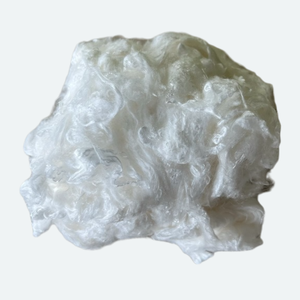
Glass concrete fiber chopped strand is a high-performance support material made from alkali-resistant (AR) glass fibers. It is specially developed for use in concrete and Glass Fiber Reinforced Concrete (GRC) applications. The fibers are reduced right into brief, uniform sizes to guarantee even circulation throughout the mix.
Secret Features
This product supplies excellent tensile stamina and aids control splitting in cement-based materials. It improves impact resistance, reduces contraction, and improves longevity. The fibers bond well with the cement matrix, offering long-term structural support without wearing away or degrading with time.
Technical Specs
– Fiber Kind: Alkali-resistant E-glass
– Size: Generally readily available in 6 mm, 12 mm, and 18 mm alternatives
– Diameter: Roughly 13– 18 microns
– ZrO ₂ Web Content: Minimum 16% for high alkali resistance
– Tensile Toughness: ≥ 0.7 GPa
– Color: White or off-white
– Product packaging: 20 kg multi-layer paper bags with moisture barrier
Application Guidelines
Add the cut hairs throughout the blending stage of concrete or GRC production. Utilize a typical dosage of 0.6% to 2.0% by weight of cement, relying on task requirements. Make sure detailed blending to prevent clumping and attain consistent diffusion. This fiber works well in precast panels, building elements, thin-shell structures, and repair mortars.
Storage space and Handling
Shop in a completely dry, great place far from direct sunlight and wetness. Maintain bags sealed till on-line. Take care of with typical building and construction safety techniques– put on handwear covers and eye defense to stop skin or eye inflammation from loose fibers.

Applications of Glass Concrete Fiber Chopped Strand for Concrete and GRC Construction
Applications of Glass Concrete Fiber Chopped Hair
More Powerful Concrete with Included Sturdiness
Glass concrete fiber chopped hair is an essential material utilized to enhance regular concrete and GRC (Glassfibre Reinforced Concrete). Contractors mix these brief glass fibers into wet concrete before it establishes. The fibers spread out uniformly through the mix and aid hold the concrete with each other once it sets.
This support quits small fractures from growing larger. It additionally makes the end product much more resistant to impact, flexing, and put on over time. Unlike steel mesh or rebar, glass fibers do not rust. This implies structures last much longer, particularly in wet or extreme atmospheres.
Ideal for GRC Panels and Architectural Aspects
In GRC building and construction, cut hair fibers are important. They offer thin panels the strength needed to remain undamaged without heavy interior assistances. Designers make use of GRC to produce complex shapes like bent wall surfaces, ornamental exteriors, and ornamental attributes. The glass fibers allow them do this while maintaining weight low and finish smooth.
These panels are common in modern-day structures, both inside and out. They offer clean lines, consistent appearance, and long-term efficiency. Because the fibers are blended throughout, every part of the panel shares the exact same level of strength.
Easy to Use on Site
Specialists locate cut strand fibers easy to deal with. They include the fibers right into the mixer along with cement, sand, and water. No unique devices or added steps are required. The mix streams well and can be put, splashed, or shaped much like normal concrete.
Making use of glass fibers lowers labor and accelerate building and construction. It additionally minimizes the need for additional support like cable mesh. That conserves time and products without decreasing quality.
On the whole, glass concrete fiber cut hair brings real benefits to both architectural and decorative concrete work. It helps construct things that look excellent, perform well, and take on everyday use.
Company Profile
We are the global leader in lightweight concrete and advanced engineered foam solutions. Known globally for its commitment to research, innovation, and applied expertise, we have been providing engineered foam solutions since the early 2012’s.
We can supply high-quality concrete admixture and foam concrete related products all over the world.
The company has a professional technical department and quality supervision department, a well-equipped laboratory, and equipped with advanced testing equipment and after-sales customer service center.
If you are interested, please feel free and contact us.
Payment
T/T, Western Union, Paypal, Credit Card etc.
Shipment
By air, by sea, by express, as customers request.
5 FAQs of Glass Concrete Fiber Chopped Strand for Concrete and GRC Construction
Frequently Asked Questions About Glass Concrete Fiber Chopped Strand
What is glass concrete fiber chopped strand?
Glass concrete fiber chopped strand is short-length fiberglass used in concrete and GRC (Glassfibre Reinforced Concrete). It mixes into wet concrete to add strength and reduce cracking. The fibers are typically 6 to 19 millimeters long and coated for better bonding with cement.
Why use chopped strand in concrete?
Adding chopped strand improves the toughness of concrete. It helps control shrinkage cracks that form as concrete dries. This makes surfaces more durable and less likely to break under stress. It also boosts impact resistance, which matters for floors, walls, and precast parts.
Is it compatible with all types of cement?
Yes, but only if the fiber has an alkali-resistant (AR) coating. Regular glass fibers weaken in high-pH environments like Portland cement. AR-glass chopped strand resists this chemical attack and keeps its strength over time. Always check the product specs to confirm alkali resistance.
How much fiber should I add to my mix?
Most projects use 0.6 to 1.2 kilograms per cubic meter of concrete. The exact amount depends on the application. Thin GRC panels often need more fiber than thick structural elements. Follow the manufacturer’s guidelines or consult a materials engineer for best results.
Can I mix it by hand or do I need special equipment?
You can mix it by hand for small batches, but use a mechanical mixer for larger jobs. Add fibers slowly while mixing to avoid clumping. Good dispersion ensures even performance. Never dump all fibers at once—this causes balling and weak spots in the final product.
REQUEST A QUOTE
RELATED PRODUCTS

High Performance Durable FRP Profile Basalt Fiberglass Rebar Industrial Construction Glass Fiber Coated

Polypropylene PP Monofilament Concrete Fiber Plastic Steel Fiber for Concrete Reinforcement

China Precast Concrete Sandwich Panel HY FRP Connector Fiberglass Tie FRP Insulation Components
Cellulose Concrete Fiber Sheet Cellulose Fiber for Concrete Mortar Reinforcement
Effects Introduction Twist Fiber Stainless Concrete Fiber Chopped Strands Reinforced Concrete Steel Fiber