


Lightweight Nja Additives | Awọn aṣoju Fọmu Iṣe-giga fun Nja Cellular


Ọja parameters
Apejuwe
Overview of Concrete Admixture Polypropylene Twisted Fiber for Structural Concrete in Industrial Floors
Concrete Admixture Polypropylene Twisted Fiber for Structural Concrete in Industrial Floors is chemical compounds added to concrete mixtures to improve various properties of the material, gẹgẹ bi awọn workability, agbara, agbara, ati akoko imularada. Awọn afikun wọnyi pẹlu awọn ṣiṣu ṣiṣu, retarders, accelerators, waterproofing òjíṣẹ, ati awọn aṣoju ti nmu afẹfẹ, kọọkan ti a ṣe lati pade awọn iwulo pataki ni iṣelọpọ nja. Awọn afikun ohun elo ni a lo nigbagbogbo ni iṣowo ati ikole ibugbe, bi daradara bi ni isejade ti precast ati setan-mix nja. Nipa imudara iṣẹ ati didara ti nja, awọn afikun wọnyi ṣe iranlọwọ mu ilọsiwaju gbogbogbo ti awọn iṣẹ akanṣe ikole lakoko ṣiṣe aridaju agbara ati gigun ti eto ti pari. Wọn rọrun lati ṣafikun sinu apopọ ati pese awọn solusan iye owo-doko fun iṣapeye awọn ohun-ini nja ni ọpọlọpọ awọn ohun elo..
Characteristics of Concrete Admixture Polypropylene Twisted Fiber for Structural Concrete in Industrial Floors
Imudara Agbara: Nja additives le significantly mu awọn compressive agbara ti nja, ṣiṣe awọn ti o siwaju sii resilient si titẹ ati wahala. Eyi ṣe idaniloju gigun ati agbara ti awọn ẹya, dinku o ṣeeṣe ti fifọ tabi ikuna.
Imudara Iṣẹ-ṣiṣe: Awọn afikun gẹgẹbi awọn ṣiṣu ṣiṣu ati awọn superplasticizers ṣe ilọsiwaju ṣiṣan ati aitasera ti nja, ṣiṣe awọn ti o rọrun lati mu, tú, ati pari. Eyi ṣe alekun iṣelọpọ lori aaye ikole ati dinku awọn idiyele iṣẹ.
Yiyara Curing: Awọn accelerators, a iru nja aropo, ṣe iranlọwọ ni iyara ilana imularada, gbigba fun awọn akoko eto iyara ati ipari awọn iṣẹ akanṣe. Eyi jẹ iwulo paapaa ni oju ojo tutu tabi nigbati awọn akoko ikole ṣiṣe iyara-yara.
Agbara Ilọsiwaju: Ọpọlọpọ awọn afikun, bii awọn aṣoju ti n dinku omi ati awọn agbo ogun omi, mu awọn resistance ti nja to simi ayika awọn ipo bi di-thaw iyika, omi ingress, ati ifihan kemikali, aridaju gun-igba iṣẹ.
Dara Adhesion ati imora: Awọn afikun kan mu ilọsiwaju pọ si laarin kọnja ati awọn ohun elo miiran, gẹgẹ bi awọn fikun irin tabi aggregates, igbelaruge awọn ìwò igbekale iyege ati atehinwa awọn anfani ti delamination tabi Iyapa.
Versatility fun Orisirisi Awọn ohun elo: Nja additives ni o wa gíga wapọ ati ki o le ṣee lo ni kan jakejado ibiti o ti ohun elo, lati awọn ile ibugbe si awọn iṣẹ amayederun nla. Wọn ti ṣe agbekalẹ lati pade awọn iwulo kan pato gẹgẹbi kọnkiti agbara-giga, ara-compacting nja, tabi ti o tọ nja fun awọn iwọn ipo.
Iye-daradara: Nipa imudarasi didara ati iṣẹ ti nja, awọn afikun dinku iwulo fun itọju afikun ati awọn atunṣe, yori si pataki iye owo ifowopamọ ninu oro gun. Ni afikun, wọn ṣe iranlọwọ lati mu apẹrẹ idapọpọ pọ, idinku ohun elo egbin.
Ore Ayika: Ọpọlọpọ awọn afikun nja ode oni ni a ṣe agbekalẹ pẹlu awọn eroja ore-aye, idasi si siwaju sii alagbero ikole ise. Awọn afikun wọnyi ṣe iranlọwọ lati dinku ifẹsẹtẹ erogba ati ilọsiwaju iṣẹ ayika ti kọnja.
Ipari Ilẹ Imudara: Awọn afikun bi awọn aṣoju ti n ṣe afẹfẹ afẹfẹ le mu ilọsiwaju ati irisi ti nja pọ si nipa idilọwọ awọn abawọn bi fifọ, oyin, tabi dada eruku, aridaju a dan, ọjọgbọn-ite dada.

Specification of Concrete Admixture Polypropylene Twisted Fiber for Structural Concrete in Industrial Floors
Spec of Concrete Admixture: Polypropylene Twisted Fiber for Structural Concrete in Industrial Floors
ọja Akopọ
Polypropylene twisted fiber is an artificial reinforcement utilized in architectural concrete for industrial flooring. It aids regulate breaking brought on by plastic shrinking and drying out shrinkage. Awọn okun ti wa ni se lati 100% polypropylene and feature a twisted, fibrillated design that enhances bonding with the cement matrix.
Awọn anfani ẹtan
This fiber admixture increases the strength and impact resistance of concrete. It lowers surface area fracturing throughout early healing phases. The fibers also improve abrasion resistance– critical for heavy-traffic commercial floors. Ko dabi awọn okun irin, polypropylene does not corrode, ipata, or tarnish the concrete surface.
Technical Characteristic
– Ọja: 100% polypropylene
– Gigun: 19 mm ( 3/4 inch).
– Iwọn opin: ~ 32 microns (fibril size).
– Agbara fifẹ: ≥ 450 MPa.
– Ojuami yo: ~ 165 ° C.
– Iye owo iwọn lilo: 0.6– 1.2 kg fun mita onigun ti nja.
Ohun elo Standards
Include the fibers during the batching process. Present them slowly into the mixer in addition to accumulations to guarantee also circulation. Darapọ fun o kere ju 3– 5 minutes after all materials are included. Do not minimize water web content or cement dose when utilizing this admixture. Always comply with common concrete positioning and finishing methods. Avoid exhausting the surface, as this might pull fibers to the top layer.
Requirement Conformity
The item satisfies ASTM C1116/C1116M requirements for artificial fiber-reinforced concrete. It likewise adheres to EN 14889-2 for fibrillated polypropylene fibers used in structural applications.
Ibi ipamọ aaye ati mimu
Shop bags in a dry, covered location away from direct sunshine. Keep product packaging secured until use to avoid wetness absorption. Take care of with basic construction precaution– no unique preventative measures are required past common dust control.
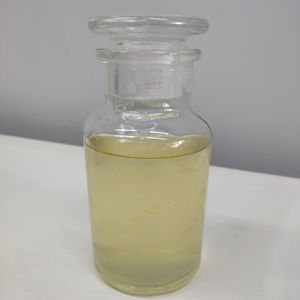
Applications of Concrete Admixture Polypropylene Twisted Fiber for Structural Concrete in Industrial Floors
Applications of Concrete Admixture Polypropylene Twisted Fiber for Structural Concrete in Industrial Floors
Why Use Polypropylene Twisted Fiber?
Polypropylene twisted fiber is a proven service for improving the performance of commercial flooring slabs. When mixed into architectural concrete, these fibers assist manage cracking caused by plastic shrinking and drying shrinking. They additionally increase impact resistance and decrease surface wear– crucial needs in heavy-duty settings like stockrooms, awọn ile-iṣẹ, and distribution centers.
Key Conveniences in Industrial Setup
Industrial floors face consistent tension from hefty equipment, forklifts, ati ijabọ oju opo wẹẹbu ẹsẹ. Including polypropylene twisted fiber boosts durability without altering the appearance or finish of the concrete. The fibers disperse equally throughout blending, creating a three-dimensional network that holds the concrete together also under stress. This results in less cracks, much less maintenance, and longer service life.
Easy Assimilation and Cost Savings
Specialists value how straightforward it is to use this admixture. Ko si awọn ẹrọ pataki tabi awọn iṣe afikun ti a nilo– just include the fibers during batching like any type of other active ingredient. Due to the fact that the fibers decrease early-age cracking, there’s less need for steel mesh or rebar in several applications. That cuts labor time and material prices while quickening building.
Longevity Where It Matters Most
In locations subjected to chemicals, ọririn, or thermal adjustments, polypropylene turned fiber includes trusted defense. The fibers do not corrode, unlike metal reinforcements, so they maintain strength over time. Floors stay undamaged even under duplicated loading, making them much safer and more reliable for day-to-day operations.
This admixture fulfills industry standards and works well with other concrete additives. Whether you’re putting a new slab or fixing an existing one, polypropylene twisted fiber supplies regular, real-world outcomes where sturdiness and efficiency can not be endangered.
Ifihan ile ibi ise
A jẹ oludari agbaye ni nja iwuwo fẹẹrẹ ati awọn solusan foomu ti ilọsiwaju. Ti a mọ ni agbaye fun ifaramo rẹ si iwadii, imotuntun, ati ki o loo ĭrìrĭ, a ti n pese awọn solusan foomu ti a ṣe atunṣe lati ibẹrẹ 2012's.
A le pese admixture nja to gaju ati awọn ọja ti o ni ibatan foomu ni gbogbo agbaye.
Ile-iṣẹ naa ni ẹka imọ-ẹrọ ọjọgbọn ati ẹka abojuto didara, yàrá ti o ni ipese daradara, ati ipese pẹlu to ti ni ilọsiwaju igbeyewo ẹrọ ati lẹhin-tita onibara iṣẹ aarin.
Ti o ba nife, jọwọ lero free ati ki o kan si wa.
Isanwo
T/T, Western Union, Paypal, Kaadi Kirẹditi ati bẹbẹ lọ.
Gbigbe
Nipa afẹfẹ, nipa okun, nipa kiakia, bi awọn onibara beere.

5 FAQs of Concrete Admixture Polypropylene Twisted Fiber for Structural Concrete in Industrial Floors
Awọn ibeere Nigbagbogbo: Polypropylene Twisted Fiber for Industrial Floors
What is polypropylene twisted fiber used for in concrete?
Polypropylene twisted fiber is added to structural concrete to control cracking. It works well in industrial floors where strength and durability matter. The fibers help hold the concrete together after it hardens.
How does this fiber improve industrial floor performance?
The fiber reduces early-age plastic shrinkage cracks. It also boosts impact resistance and toughness. Floors with this fiber handle heavy loads and frequent traffic better. Surface scaling and spalling happen less often.
Ṣe o rọrun lati dapọ sinu nja?
Bẹẹni. Okun naa pin kaakiri ni deede lakoko idapọ deede. Ko si ohun elo pataki ti a nilo. Just add it to the mixer with other materials. It will not ball up or clump if mixed properly.
Ṣe o rọpo imuduro irin?
Rara. Polypropylene twisted fiber is not a substitute for rebar or wire mesh. O ṣiṣẹ pẹlu wọn. Its main job is to manage small cracks and boost long-term durability. Structural support still comes from steel.
What dosage should be used?
Aṣoju iwọn lilo awọn sakani lati 0.6 si 1.0 kg fun mita onigun ti nja. Nigbagbogbo tẹle awọn ilana olupese. The right amount ensures good crack control without affecting workability. Too much may make the mix stiff.
BERE ORO
Awọn ọja ti o jọmọ
Adalupọ Nja HPMC fun alemora Tile seramiki pẹlu Akoko Ṣii giga ati Resistance isokuso
Polypropylene Fiber Kukuru Ṣiṣu PP Fiber Concrete Admixture fun Mortar Anti Cracking Highway Bridge Yiyi

Concrete Admixture Polycarboxylate Superplasticizer for Concrete with High Early Strength Requirements

Sodium Lignosulfonate Concrete Admixture as Water Reducer and Plasticizer for Cement
Aṣoju Foaming Nja Imudara Didara Gaju fun Awọn bulọọki Nja Foomu Fọọmu Imọlẹ
