Lightweight Nja Additives | Awọn aṣoju Fọmu Iṣe-giga fun Nja Cellular


Ọja parameters
Apejuwe
Overview of Fiberglass Concretes Glass Concrete Fiber Mesh Carbon Fiber Mesh
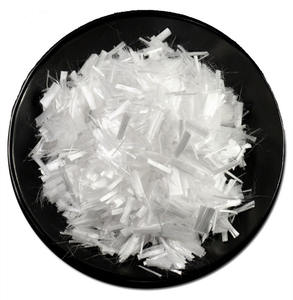
Fun ga-ipa resistance, ti a nse Irin Awọn okun, rirọpo pipe fun apapo okun waya welded ni awọn ilẹ ipakà ile-iṣẹ ati awọn eroja ti a ti sọ tẹlẹ. A tun pese awọn Fibers Sintetiki Igbekale pataki ti o funni ni agbara fifẹ giga fun awọn ohun elo ibeere. Awọn wọnyi ni awọn okun ti wa ni iṣọkan tuka jakejado nja illa, ṣiṣẹda nẹtiwọọki imuduro onisẹpo pupọ ti awọn ọna ibile ko le ṣaṣeyọri. Yi ese ona simplifies ikole, accelerates placement, ati ki o mu awọn ìwò iyege ati longevity ti awọn nja, pese idahun ode oni si jija ti ọjọ-ori ati awọn italaya agbara.
Features of Fiberglass Concretes Glass Concrete Fiber Mesh Carbon Fiber Mesh
1. Iṣakoso Crack ti o ga julọ ati Imudara Imudara:
Ẹya akọkọ ti awọn okun wa ni agbara wọn lati ṣe afara mejeeji awọn dojuijako micro-cracks ti o dagba lakoko ipo ṣiṣu ati awọn dojuijako nla ni kọnkiti lile.. Pipin onisẹpo onisẹpo mẹta yii ṣẹda matrix isokan diẹ sii ti o tako itankale kiraki. Anfaani taara jẹ idinku pataki ninu jija ṣiṣu isunki mejeeji ati iwọn kiraki igba pipẹ. Eleyi nyorisi kan Elo diẹ ti o tọ nja pẹlu kekere permeability, eyi ti o ni Tan mu resistance si omi ingress, di-thaw bibajẹ, ati ipata ti eyikeyi ifibọ irin. Abajade jẹ eto pẹlu igbesi aye iṣẹ to gun ati awọn idiyele itọju dinku.
2. Ikolu ti o pọ si ati Resistance Abrasion:
Awọn okun, paapa irin ati ki o logan sintetiki Makiro awọn okun, bosipo mu awọn nja ká toughness ati ranse si-crack iṣẹ. Wọn fa ati pinpin agbara lori ipa tabi ikojọpọ. Ẹya ara ẹrọ yii n pese anfani ti aaye ti o ni atunṣe diẹ sii ti o kere si itọpa, chipping, ati abrasion labẹ eru ijabọ tabi darí yiya. Eyi jẹ anfani pataki fun awọn ilẹ ipakà ile-iṣẹ, ile ise pavements, ati amayederun ise agbese, ti o yori si aaye ti o ni wiwọ lile ti o ṣetọju iduroṣinṣin rẹ ni akoko pupọ.
3. Ṣiṣe Ikole ati Awọn ifowopamọ iye owo:
Ẹya bọtini kan ti lilo imuduro okun ni imukuro ti apapo waya welded (WWF) ni ọpọlọpọ awọn ohun elo. Eyi pese awọn anfani nla lori aaye: o simplifies placement, bi ko si apapo lati wa ni ṣeto soke tabi oyi nipo, ati awọn ti o accelerates gbogbo ikole ilana. Nipa yiyọ igbese-lekoko kan laala, ise agbese wo dinku laala owo ati yiyara ise agbese timelines. Pipin iṣọkan ti awọn okun tun ṣe idaniloju imuduro ibamu jakejado gbogbo apakan nja, ko apapo, eyi ti o le wa ni aibojumu gbe, yori si siwaju sii gbẹkẹle ati ki o asọtẹlẹ išẹ.

Specification of Fiberglass Concretes Glass Concrete Fiber Mesh Carbon Fiber Mesh
Spec of Fiberglass Concrete Support Fits Together
Fiberglass Concrete Fiber Mesh
Fiberglass concrete fiber mesh is made from alkali-resistant glass fibers woven into a grid pattern. It includes toughness to cement-based products like stucco, pilasita, and thin-set overlays. The mesh resists fracturing brought on by shrinking or movement. It remains stable in damp and alkaline conditions common in concrete. Installers embed it straight right into the surface layer throughout application. This mesh is light-weight, rọrun lati ge, and bonds well with mortar.
Carbon Fiber Mesh
Erogba okun apapo deals high tensile stamina and low weight. It is made use of to enhance concrete structures where extra longevity is needed. Carbon fibers do not corrode, making this mesh perfect for rough atmospheres or long-lasting tasks. The mesh works well in retrofitting old structures or enhancing walls, awọn ilẹ ipakà, and bridges. It bonds securely to epoxy or polymer-modified concrete systems. Due to the fact that carbon carries out electrical power, users should think about basing in certain applications.
Both meshes improve structural efficiency without adding much density. They help manage splits and boost effect resistance. Fiberglass mesh suits general-purpose usage and cost-sensitive jobs. Carbon fiber mesh fits high-performance requirements where strength and durability matter most.
Choose fiberglass fit together for common outside insulation, ceramic tile support, or repair work. Select carbon fiber mesh for seismic upgrades, owo ipakà, or locations exposed to chemicals and wetness. Constantly comply with manufacturer standards for embedding depth, overlap, and compatible binders. Proper setup makes certain full gain from either product.
Applications of Fiberglass Concretes Glass Concrete Fiber Mesh Carbon Fiber Mesh
Applications of Fiberglass, Nja, Glass Fiber Mesh, and Carbon Fiber Mesh
Reinforcing Structure Frameworks
Home builders make use of fiberglass-reinforced concrete to make wall surfaces, awọn ilẹ ipakà, and roof coverings stronger. This material resists fractures better than normal concrete. It also lasts longer in wet or harsh weather condition.
Outside Wall Surface Solution
Glass fiber harmonize is usually embedded in outside insulation systems. It aids hold the surface layer together and stops cracks from basing on building facades. The mesh sticks well to cement-based coatings and includes adaptability without including much weight.
Titunṣe ati Retrofit Projects
Old buildings sometimes require additional support. Carbon fiber mesh is a top choice for this. It bonds firmly to concrete surface areas and enhances load capacity without changing the structure’s form. Employees use it with special adhesives, and it functions fast– no hefty equipment required.
Floor covering and Pavements
In stockrooms, awọn gareji, ati awọn opopona, fiberglass concrete handles rush hour. It lowers surface wear and prevents small fractures from growing. Professionals blend fiberglass hairs right into the concrete put, which saves time and labor.
Tile Backing and Waterproofing
Glass fiber fit together also goes under tiles in washrooms and cooking areas. It keeps the floor tile base steady and blocks dampness from permeating through. This helps avoid mold and loosened ceramic tiles over time.
Bridges and Framework
Engineers utilize carbon fiber mesh to strengthen bridges, tunnels, ati awọn ọwọn iranlọwọ. It battles deterioration better than steel and does not rust. That makes it excellent for places near deep sea or where de-icing chemicals are made use of.
These products give building contractors simple, trusted means to enhance stamina, gigun aye, ati ailewu– without major modifications to exactly how they work.
Ifihan ile ibi ise
A jẹ oludari agbaye ni nja iwuwo fẹẹrẹ ati awọn solusan foomu ti ilọsiwaju. Ti a mọ ni agbaye fun ifaramo rẹ si iwadii, imotuntun, ati ki o loo ĭrìrĭ, a ti n pese awọn solusan foomu ti a ṣe atunṣe lati ibẹrẹ 2012's.
A le pese admixture nja to gaju ati awọn ọja ti o ni ibatan foomu ni gbogbo agbaye.
Ile-iṣẹ naa ni ẹka imọ-ẹrọ ọjọgbọn ati ẹka abojuto didara, yàrá ti o ni ipese daradara, ati ipese pẹlu to ti ni ilọsiwaju igbeyewo ẹrọ ati lẹhin-tita onibara iṣẹ aarin.
Ti o ba nife, jọwọ lero free ati ki o kan si wa.
Isanwo
T/T, Western Union, Paypal, Kaadi Kirẹditi ati bẹbẹ lọ.
Gbigbe
Nipa afẹfẹ, nipa okun, nipa kiakia, bi awọn onibara beere.
5 FAQs of Fiberglass Concretes Glass Concrete Fiber Mesh Carbon Fiber Mesh
Frequently Asked Questions About Fiberglass Concrete Mesh and Carbon Fiber Mesh
What is fiberglass concrete mesh used for?
Fiberglass concrete mesh strengthens walls, awọn ilẹ ipakà, and other surfaces made of concrete or plaster. O ṣe iranlọwọ lati da awọn dojuijako duro. Builders often use it during new construction or repairs. The mesh holds the material together and makes it last longer.
How does carbon fiber mesh differ from fiberglass mesh?
Carbon fiber mesh is stronger and more expensive than fiberglass mesh. It resists heat and chemicals better. People choose carbon fiber when they need extra strength or work in tough conditions. Fiberglass works well for most regular jobs and costs less.
Can I use these meshes outdoors?
Bẹẹni, both types can be used outside. Fiberglass mesh has a coating that protects it from moisture and alkali in cement. Carbon fiber naturally handles weather well. Make sure you pick a product labeled for outdoor use to avoid early damage.
How do I install fiberglass or carbon fiber mesh?
Ni akọkọ, clean the surface well. Then apply a thin layer of mortar or adhesive. Press the mesh into the wet layer smoothly, without wrinkles. Overlap pieces by at least 2 inches. Add another layer on top once the first one sets. Always follow the product instructions for best results.
Will the mesh show through the finish?
If installed correctly, the mesh stays hidden. Use enough base coat to fully cover it. Sand lightly after drying if needed. A smooth final coat will look even and professional. Never skimp on coverage—this keeps the mesh out of sight and adds strength where it matters.
BERE ORO
Awọn ọja ti o jọmọ
PP Idurosinsin Okun Geotextile 200 300 400 GSM Nonwoven Fabric fun Idaabobo Bank Road

PP Idurosinsin Okun Geotextile 200G/M2 300 G/M2 400G/M2 Nonwoven Fabric Fun Road Bank Idaabobo

Irin okun fikun nja lati factory taara Corrugated Irin Okun
Okun Gige Awọn Okun Nja Iwọn Okun Nja fun Okun Nkan Kan pato Walẹ Irin Okun
Imudara Nja Sintetiki Polypropylene PP Fiber Nja Makiro fun Nja