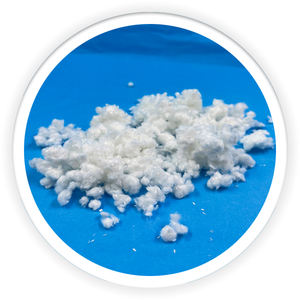
Lightweight Nja Additives | Awọn aṣoju Fọmu Iṣe-giga fun Nja Cellular

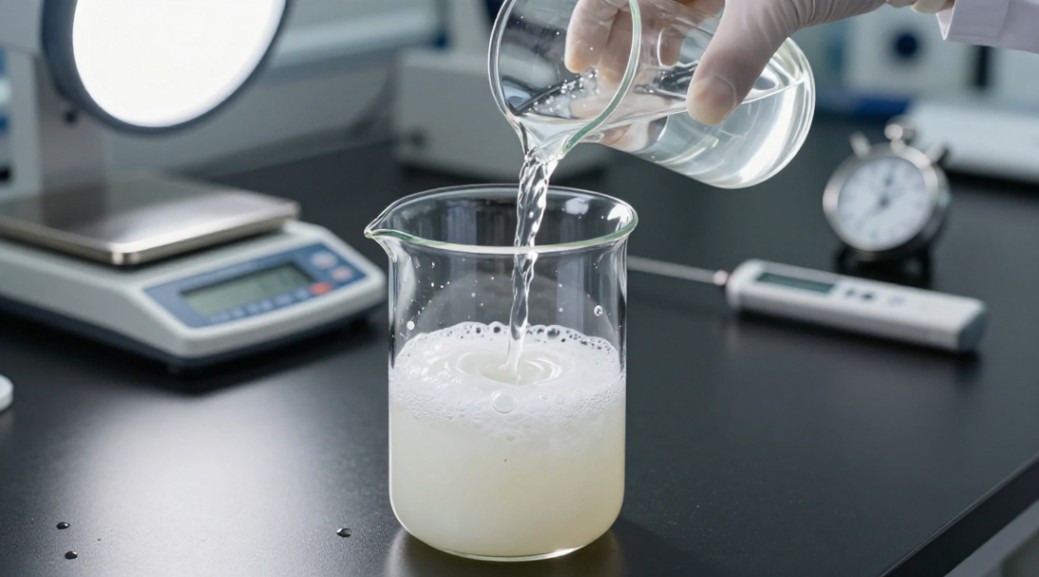
Ọja parameters
Apejuwe
Overview of Hot wood cellulose recycled lignin fiber for asphalt concrete reinforcement
Fun ga-ipa resistance, ti a nse Irin Awọn okun, rirọpo pipe fun apapo okun waya welded ni awọn ilẹ ipakà ile-iṣẹ ati awọn eroja ti a ti sọ tẹlẹ. A tun pese awọn Fibers Sintetiki Igbekale pataki ti o funni ni agbara fifẹ giga fun awọn ohun elo ibeere. Awọn wọnyi ni awọn okun ti wa ni iṣọkan tuka jakejado nja illa, ṣiṣẹda nẹtiwọọki imuduro onisẹpo pupọ ti awọn ọna ibile ko le ṣaṣeyọri. Yi ese ona simplifies ikole, accelerates placement, ati ki o mu awọn ìwò iyege ati longevity ti awọn nja, pese idahun ode oni si jija ti ọjọ-ori ati awọn italaya agbara.
Features of Hot wood cellulose recycled lignin fiber for asphalt concrete reinforcement
1. Iṣakoso Crack ti o ga julọ ati Imudara Imudara:
Ẹya akọkọ ti awọn okun wa ni agbara wọn lati ṣe afara mejeeji awọn dojuijako micro-cracks ti o dagba lakoko ipo ṣiṣu ati awọn dojuijako nla ni kọnkiti lile.. Pipin onisẹpo onisẹpo mẹta yii ṣẹda matrix isokan diẹ sii ti o tako itankale kiraki. Anfaani taara jẹ idinku pataki ninu jija ṣiṣu isunki mejeeji ati iwọn kiraki igba pipẹ. Eleyi nyorisi kan Elo diẹ ti o tọ nja pẹlu kekere permeability, eyi ti o ni Tan mu resistance si omi ingress, di-thaw bibajẹ, ati ipata ti eyikeyi ifibọ irin. Abajade jẹ eto pẹlu igbesi aye iṣẹ to gun ati awọn idiyele itọju dinku.
2. Ikolu ti o pọ si ati Resistance Abrasion:
Awọn okun, paapa irin ati ki o logan sintetiki Makiro awọn okun, bosipo mu awọn nja ká toughness ati ranse si-crack iṣẹ. Wọn fa ati pinpin agbara lori ipa tabi ikojọpọ. Ẹya ara ẹrọ yii n pese anfani ti aaye ti o ni atunṣe diẹ sii ti o kere si itọpa, chipping, ati abrasion labẹ eru ijabọ tabi darí yiya. Eyi jẹ anfani pataki fun awọn ilẹ ipakà ile-iṣẹ, ile ise pavements, ati amayederun ise agbese, ti o yori si aaye ti o ni wiwọ lile ti o ṣetọju iduroṣinṣin rẹ ni akoko pupọ.
3. Ṣiṣe Ikole ati Awọn ifowopamọ iye owo:
Ẹya bọtini kan ti lilo imuduro okun ni imukuro ti apapo waya welded (WWF) ni ọpọlọpọ awọn ohun elo. Eyi pese awọn anfani nla lori aaye: o simplifies placement, bi ko si apapo lati wa ni ṣeto soke tabi oyi nipo, ati awọn ti o accelerates gbogbo ikole ilana. Nipa yiyọ igbese-lekoko kan laala, ise agbese wo dinku laala owo ati yiyara ise agbese timelines. Pipin iṣọkan ti awọn okun tun ṣe idaniloju imuduro ibamu jakejado gbogbo apakan nja, ko apapo, eyi ti o le wa ni aibojumu gbe, yori si siwaju sii gbẹkẹle ati ki o asọtẹlẹ išẹ.

Specification of Hot wood cellulose recycled lignin fiber for asphalt concrete reinforcement
Hot Wood Cellulose Recycled Lignin Fiber for Asphalt Concrete Reinforcement
ọja Akopọ
This fiber is made from natural wood cellulose and recycled lignin. It is developed to enhance asphalt concrete made use of in roads, pa agbegbe, and various other smooth surface areas. The product enhances toughness, reduces splitting, and helps the pavement last longer under heavy traffic and transforming weather.
Secret Awọn ẹya ara ẹrọ
The fiber mixes quickly right into hot-mix asphalt throughout typical manufacturing. It does not clump or create uneven spots. When combined, it holds the asphalt binder and aggregate with each other much more firmly. This causes much better resistance against rutting, exhaustion, and thermal splitting.
Since it comes from renewable timber resources and makes use of recycled lignin, the fiber supports sustainable building and construction. It replaces artificial ingredients without sacrificing performance. Contractors locate it straightforward to make use of– no unique equipment or procedure adjustments are required.
Awọn anfani imọ-ẹrọ
Adding this fiber boosts the tightness of the asphalt mix at heats. At low temperature levels, it keeps flexibility so the pavement will not split quickly. Water damages is also minimized due to the fact that the fiber helps bind moisture-sensitive components extra firmly.
Lab examinations show boosted tensile toughness and better communication in combines with this fiber. Area results verify less surface area flaws gradually contrasted to neglected asphalt. The suggested dose is typically 0.3% si 0.5% by total mix weight, gbigbe ara lori ise agbese wáà.
Mimu ati Ibi ipamọ
Shop the fiber in a dry, protected location away from direct sunshine and wetness. Keep bags secured till on-line. The item stays steady for up to twelve month when stored correctly. During blending, include the fiber directly to the drum or pugmill in addition to various other completely dry components. Consistent dispersion occurs quickly under normal mixing problems.
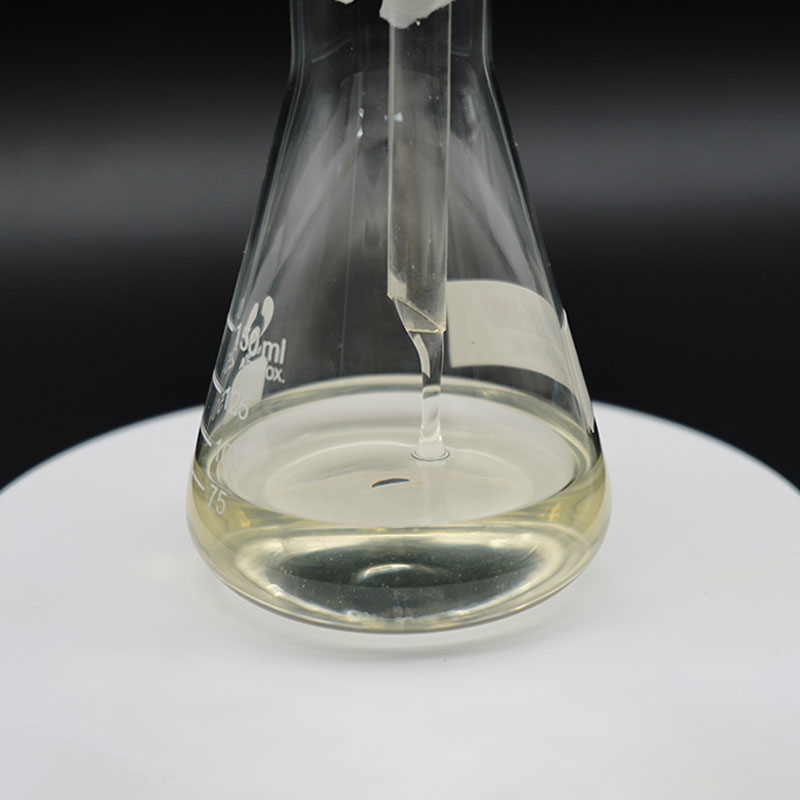
Applications of Hot wood cellulose recycled lignin fiber for asphalt concrete reinforcement
Applications of Hot Timber Cellulose Recycled Lignin Fiber in Asphalt Concrete Reinforcement
Why This Fiber Issues
Hot wood cellulose recycled lignin fiber is an all-natural product made from waste wood. It originates from the paper and pulp market. As opposed to throwing it away, this fiber obtains recycled to enhance asphalt concrete. That helps reduce waste and makes roads last longer.
Improves Roadway Efficiency
When blended into asphalt concrete, the fiber holds the mix with each other better. It stops splits from forming too early. It also keeps the surface from flawing under rush hour or high warmth. Roads stay smoother for even more years.
Easy to Mix and Use
The fiber mixes well with routine asphalt materials. Contractors do not require unique tools or big modifications to their typical procedure. They simply include the correct amount throughout blending. The result is a more powerful pavement without added actions.
Eco-Friendly Choice
This fiber uses leftover timber that would or else most likely to garbage dumps. It lowers brand-new basic material demands. That lowers the environmental impact of roadway structure. Ni akoko kanna gangan, it provides old waste a useful second life.
Economical Service
Because the fiber comes from recycled resources, it costs less than lots of artificial alternatives. It additionally reduces long-lasting fixing prices. Less fractures suggest fewer spots and much less constant resurfacing. That saves cash in time.
Proven in Real Projects
Numerous roadway jobs currently use this fiber. Results show much better resistance to rutting, fifọ, ati ti ogbo. Designers and city organizers trust it for highways, city roads, and parking area. It functions well in various climates and website traffic conditions.
Ile-iṣẹ Ifihan
Kaabo si Nja ati Die e sii, a asiwaju olupese ti ga-išẹ nja admixtures, pẹlu wa Ere nja omi idinku. Pẹlu awọn ọdun ti iriri ni ọja agbaye, ti a nse to ti ni ilọsiwaju solusan še lati mu awọn didara ati ṣiṣe ti ikole ise agbese agbaye. Awọn ile-iṣẹ iṣelọpọ ipo-ti-aworan wa ni idaniloju awọn ọja ti o ga julọ ti o ni ibamu pẹlu awọn iṣedede agbaye. A igberaga ara wa lori exceptional onibara iṣẹ, oluranlowo lati tun nkan se, ati awọn solusan ti a ṣe deede lati pade awọn iwulo iṣẹ akanṣe. Ṣe alabaṣepọ pẹlu wa fun igbẹkẹle, aseyori, ati iye owo-doko nja admixtures ti o wakọ rẹ ise agbese siwaju. Ṣawari diẹ sii ni www.concreteandmore.de/. Jẹ ki a kọ ọjọ iwaju papọ!
Ti o ba ni ibeere eyikeyi, jọwọ lero free lati kan si wa.
Awọn ọna isanwo
T/T, Western Union, Paypal, Kaadi Kirẹditi ati bẹbẹ lọ.
Awọn ọna gbigbe
Nipa afẹfẹ, nipa okun, nipa kiakia, bi awọn onibara beere.

5 FAQs of Hot wood cellulose recycled lignin fiber for asphalt concrete reinforcement
Frequently Asked Questions About Hot Wood Cellulose Recycled Lignin Fiber for Asphalt Concrete Reinforcement
What is hot wood cellulose recycled lignin fiber?
This fiber comes from waste wood. It contains natural cellulose and lignin. Both parts are recovered during paper or biofuel production. The material is processed with heat to make it stable and strong. It works well in asphalt mixes.
Why use this fiber in asphalt concrete?
It helps hold the asphalt mix together. The fibers stop cracks from forming early. They also keep the binder from draining out when the mix is hot. This makes roads last longer and perform better under traffic.
Is this fiber eco-friendly?
Bẹẹni. It uses recycled wood waste. No new trees are cut down just for this product. Making it creates less pollution than synthetic fibers. It supports green road construction.
How is it added to asphalt?
You mix it into the hot asphalt batch at the plant. Add it before or with the aggregate. Use standard mixing equipment—no special tools needed. The fiber spreads evenly and bonds well with bitumen.
Does it work as well as synthetic fibers?
Ni ọpọlọpọ igba, beeni. It gives similar results in crack resistance and mix stability. Some tests show even better performance in moisture resistance. Ni afikun, it costs less and is renewable. Many contractors now choose it over plastic-based options.
BERE ORO
Awọn ọja ti o jọmọ

Agbara Gilaasi Nja Fiber Gilasi Fiber Kukuru Ge Nja Fiber Ṣe ni Ilu China
Automotive PP Staple Concrete Fiber Polypropylene Fiber Automotive Interior Black PP Synthetic Staple Fiber
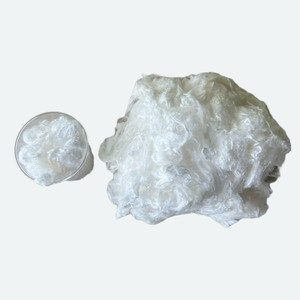
Supply PP Concrete Fiber 3mm 6mm 9mm Polypropylene Fibers for Reinforced Concrete and Shotcrete

erogba okun ge fun nja 10 mm Erogba okun strands ge
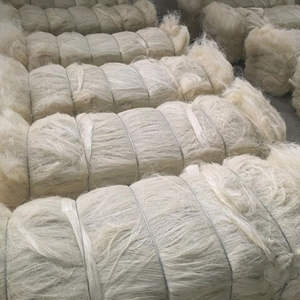
100 Ogorun Polypropylene Engineering Fiber Concrete fun Ohun elo Ikunnu Nja Apapọ fun Amọ Ile-iṣẹ