Lightweight Nja Additives | Awọn aṣoju Fọmu Iṣe-giga fun Nja Cellular

Ọja parameters
Apejuwe
Ifihan si CAS 9004 64 3 Hydroxypropyl Methyl Cellulose HPMC Aṣoju Thickener fun Ohun elo Ohun elo Ọṣẹ Detergent
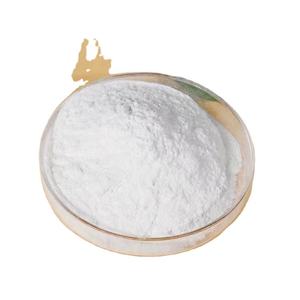
Hydroxypropyl Methylcellulose (HPMC), ti orukọ Kannada jẹ hydroxypropyl methylcellulose, jẹ ologbele-sintetiki, ether cellulose ti kii-ionic ti a gba nipasẹ kemikali ti o yipada cellulose adayeba. Lulú funfun yii le ṣẹda ojutu viscous ti o han gbangba lẹhin tituka ninu omi. O ni o ni o tayọ thickening, idaduro omi, iduroṣinṣin ati awọn ohun-ini iṣelọpọ fiimu. O jẹ aropọ multifunctional ti ko ṣe pataki ni ọpọlọpọ awọn aaye bii ikole.
Awọn abuda ati awọn anfani ti CAS 9004 64 3 Hydroxypropyl Methyl Cellulose HPMC Aṣoju Thickener fun Ohun elo Ohun elo Ọṣẹ Detergent
O tayọ omi solubility: O le yarayara ni tituka ni omi tutu lati ṣe agbekalẹ ojutu ti o han gbangba ati iduroṣinṣin.
Ipọnra daradara ati agbara idaduro omi: Mu iki ti ohun elo naa pọ si, fe ni din omi evaporation, ati ilọsiwaju iṣẹ ṣiṣe.
Iduroṣinṣin to dara: O ni iduroṣinṣin to dara si awọn acids, alkalis, ati iyọ, ati pe o dara fun ọpọlọpọ awọn iye pH.
Ṣiṣe fiimu ati awọn ipa aabo: Lẹhin gbigbe, o ṣe fiimu ti o nira ati ti o han gbangba lati daabobo sobusitireti ati dena ilaluja omi ati evaporation.
Non-majele ti ati ti kii-irritating: O ni ibamu biocompatibility ti o dara ati pe o dara fun awọn aaye oogun ati ounjẹ.
Atunṣe: Nipa yiyipada iwọn aropo ati iwuwo molikula, iṣẹ rẹ le ṣe atunṣe lati pade awọn ibeere ohun elo oriṣiriṣi.

Awọn pato ti CAS 9004 64 3 Hydroxypropyl Methyl Cellulose HPMC Aṣoju Thickener fun Ohun elo Ohun elo Ọṣẹ Detergent
Hydroxypropyl Methyl Cellulose (HPMC)– CAS 9004-64-3
Asiri lẹkunrẹrẹ
Orukọ Kemikali: Hydroxyprop Methyl Cellulose
Nọmba CAS: 9004-64-3
Ilana molikula: C8H16O6 (pidánpidán eto).
Wo: White to beige, free-ṣàn lulú.
Solubility: Soluble in chilly water; kinds a clear to somewhat opalescent thick option. Insoluble in hot water, ethanol, ether, and many organic solvents.
Viscosity Range: Offered from 5 mPa · s si 100,000 mPa · s( pinnu ni 2% atunse, 20 ° C). Typical qualities consist of 4,000– 6,000 mPa · s and 15,000– 25,000 mPa · s for detergent and cosmetic applications.
Iye pH: 4.0– 8.0 (2% olomi atunse ni 25 ° C).
Ọririn akoonu oju-iwe ayelujara: ≤ 5.0% (nipa iwuwo).
Ohun elo Eeru: ≤ 1.5%.
Hydroxypropyl akoonu: 4%– 30%.
Methoxyl akoonu oju-iwe ayelujara: 19%– 30%.
Functional Advantages
This HPMC quality serves as a reliable thickener, amuduro, ati oluranlowo fiimu. It enhances structure and consistency in liquid soaps, ninu òjíṣẹ, ati awọn nkan itọju ara ẹni. The substance aids suspend fragments evenly and protects against active ingredient separation over time. It likewise enhances foam security and offers a smooth feeling during usage.
HPMC dissolves easily in cool water without clumping when appropriately distributed. It continues to be steady throughout a large pH range common in cleansing and cosmetic solutions. Ohun elo naa kii ṣe ionic, which suggests it functions well with various other common components without causing unwanted reactions.
Makers pick this HPMC for its constant efficiency, quality in remedy, and compatibility with surfactants, iyọ, ati preservatives. It meets global quality requirements and is suitable for use in rinse-off and leave-on items.
Storage needs to be in a trendy, agbegbe gbigbẹ jina lati tutu. Keep the container firmly near prevent caking or loss of flowability.

Awọn ohun elo ti CAS 9004 64 3 Hydroxypropyl Methyl Cellulose HPMC Aṣoju Thickener fun Ohun elo Ohun elo Ọṣẹ Detergent
Hydroxypropyl Methyl Cellulose (HPMC)– CAS 9004-64-3
A Relied On Thickener for Detergents, Soaps, and Cosmetics
Hydroxypropyl Methyl Cellulose (HPMC), damo nipa CAS nọmba 9004-64-3, ni a wapọ, plant-based polymer widely utilized throughout individual care and cleaning item formulations. O ṣiṣẹ daradara bi apọn, amuduro, ati oluranlowo fiimu.
Ninu detergent products, HPMC assists control viscosity. This makes sure the liquid stays consistent throughout storage space and usage. It likewise quits ingredients from dividing. The outcome is a cleaner that does accurately every time.
Fun soap production, HPMC improves texture and soap stability. It offers bar soaps a smooth feeling and assists liquid soaps preserve their form and clarity. Also in hard water, HPMC supports steady foam and much better rinsing.
Ninu aesthetic solutions, this component plays numerous functions. It thickens creams, lotions, and products without transforming their look or fragrance. It also locks in dampness, which maintains skin hydrated much longer. Because HPMC forms a light, breathable movie on the skin, it improves item spreadability and leaves a soft surface.
HPMC is water-soluble and blends easily right into cold or hot water. It remains stable across a vast pH range, making it appropriate for several formulas. It does not respond with typical surfactants, iyọ, or chemicals made use of in daily items.
This additive is non-toxic, biodegradable, and derived from natural cellulose. It fulfills global security requirements for usage in individual and house care products. Makers choose it due to the fact that it supplies regular outcomes batch after set.
Whether you are producing a mild face cleanser, an abundant body laundry, or a high-performance washing gel, HPMC (CAS 9004-64-3) provides trustworthy efficiency, clean labeling, and consumer-friendly advantages. Its basic integration right into existing procedures makes it a wise choice for formulators looking for efficiency and high quality.
Ifihan ile ibi ise
A jẹ oludari agbaye ni nja iwuwo fẹẹrẹ ati awọn solusan foomu ti ilọsiwaju. Ti a mọ ni agbaye fun ifaramo rẹ si iwadii, imotuntun, ati ki o loo ĭrìrĭ, a ti n pese awọn solusan foomu ti a ṣe atunṣe lati ibẹrẹ 2012's.
A le pese admixture nja to gaju ati awọn ọja ti o ni ibatan foomu ni gbogbo agbaye.
Ile-iṣẹ naa ni ẹka imọ-ẹrọ ọjọgbọn ati ẹka abojuto didara, yàrá ti o ni ipese daradara, ati ipese pẹlu to ti ni ilọsiwaju igbeyewo ẹrọ ati lẹhin-tita onibara iṣẹ aarin.
Ti o ba nife, jọwọ lero free ati ki o kan si wa.
Isanwo
T/T, Western Union, Paypal, Kaadi Kirẹditi ati bẹbẹ lọ.
Gbigbe
Nipa afẹfẹ, nipa okun, nipa kiakia, bi awọn onibara beere.

5 FAQs ti CAS 9004 64 3 Hydroxypropyl Methyl Cellulose HPMC Aṣoju Thickener fun Ohun elo Ohun elo Ọṣẹ Detergent
Frequently Asked Questions About CAS 9004-64-3 Hydroxypropyl Methyl Cellulose (HPMC)
What is HPMC used for in detergents and soaps?
HPMC ìgbésẹ bi a thickener. It helps control the texture and consistency of liquid soaps and detergents. This makes products easier to pour, tànkálẹ̀, ati lilo. It also keeps ingredients mixed well without separating.
Is HPMC safe for use in cosmetics?
Bẹẹni. HPMC is widely accepted in cosmetic formulations. Kii ṣe majele ti, ti kii-irritating, and compatible with skin. Regulatory bodies around the world approve its use in personal care items like lotions, awọn shampoos, and cleansers.
How does HPMC improve product stability?
HPMC fọọmu kan ko o, stable gel in water. This gel holds particles and oils in place. Nitorina na, your product stays uniform over time. It resists changes from temperature shifts or long storage periods.
Can HPMC be mixed with other common ingredients?
Bẹẹni. HPMC works well with surfactants, iyọ, and most preservatives used in cleaning and beauty products. Just add it slowly while stirring to avoid clumping. Proper mixing ensures smooth performance.
What makes CAS 9004-64-3 HPMC different from other thickeners?
This specific grade of HPMC offers consistent viscosity and clarity. It dissolves easily in cold water and does not need heat. It also provides good film-forming ability, which helps in rinse-off products and leave-on cosmetics alike. Its reliability makes it a top choice for manufacturers.
BERE ORO
Awọn ọja ti o jọmọ

HPMC of Building ite fun nipọn abuda dispersing

Gbona ing Factory Hydroxypropyl Methyl Cellulose HPMC 200000

MP4M 3000 MPAS Low Viscosity Hydroxypropyl Methyl Cellulose HPMC for Ceramic Extrusion Direct

Kemikali Hydroxypropyl Methyl Cellulose Cas 9004-65-3 Hpmc Powder HPMC Cellulose Thickener Fun Liquid

HPMC Detergent Powder HPMC Hydroxypropyl Methylcellulose