Lightweight Nja Additives | Awọn aṣoju Fọmu Iṣe-giga fun Nja Cellular


Ọja parameters
Apejuwe
Introduction to Hydroxypropyl Methyl Cellulose HPMC Chemical Cellulose Ether for Cement Tile Adhesive Thickener
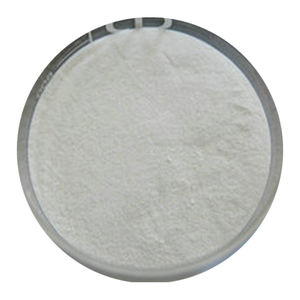
Hydroxypropyl Methylcellulose (HPMC), ti orukọ Kannada jẹ hydroxypropyl methylcellulose, jẹ ologbele-sintetiki, ether cellulose ti kii-ionic ti a gba nipasẹ kemikali ti o yipada cellulose adayeba. Lulú funfun yii le ṣẹda ojutu viscous ti o han gbangba lẹhin tituka ninu omi. O ni o ni o tayọ thickening, idaduro omi, iduroṣinṣin ati awọn ohun-ini iṣelọpọ fiimu. O jẹ aropọ multifunctional ti ko ṣe pataki ni ọpọlọpọ awọn aaye bii ikole.
Characteristics and advantages of Hydroxypropyl Methyl Cellulose HPMC Chemical Cellulose Ether for Cement Tile Adhesive Thickener
O tayọ omi solubility: O le yarayara ni tituka ni omi tutu lati ṣe agbekalẹ ojutu ti o han gbangba ati iduroṣinṣin.
Ipọnra daradara ati agbara idaduro omi: Mu iki ti ohun elo naa pọ si, fe ni din omi evaporation, ati ilọsiwaju iṣẹ ṣiṣe.
Iduroṣinṣin to dara: O ni iduroṣinṣin to dara si awọn acids, alkalis, ati iyọ, ati pe o dara fun ọpọlọpọ awọn iye pH.
Ṣiṣe fiimu ati awọn ipa aabo: Lẹhin gbigbe, o ṣe fiimu ti o nira ati ti o han gbangba lati daabobo sobusitireti ati dena ilaluja omi ati evaporation.
Non-majele ti ati ti kii-irritating: O ni ibamu biocompatibility ti o dara ati pe o dara fun awọn aaye oogun ati ounjẹ.
Atunṣe: Nipa yiyipada iwọn aropo ati iwuwo molikula, iṣẹ rẹ le ṣe atunṣe lati pade awọn ibeere ohun elo oriṣiriṣi.

Specifications of Hydroxypropyl Methyl Cellulose HPMC Chemical Cellulose Ether for Cement Tile Adhesive Thickener
Hydroxypropyl Methyl Cellulose (HPMC) for Cement Tile Adhesive
Asiri lẹkunrẹrẹ
Wo: Funfun si pa-funfun free-ṣàn lulú. No noticeable contaminations.
Iwọn Bit: 98% gba nipasẹ ohun 80-mesh àlẹmọ. Great and uniform for very easy blending.
Methoxy akoonu oju-iwe ayelujara: 19– 24%. This variety ensures strong water retention and great workability.
Akoonu Hydroxypropoxy: 4– 12%. Assists control open time and improves bond.
Sisanra (2% atunse, 20 ° C): Readily available from 4,000 si 100,000 mPa · s. Select the grade that fits your mix style. Greater thickness provides better enlarging. Lower thickness enables simpler spreading.
Iye owo pH (2% aṣayan): 6.0– 8.0. Neutral pH shields concrete hydration and prevents side reactions.
Ọrinrin akoonu: ≤ 5%. Low dampness keeps the product secure throughout storage.
Eeru Web akoonu: ≤ 5%. Suggests high purity and constant efficiency.
Gel otutu ipele: 58– 62 ° C. Stops early thickening in cozy problems.
Performance Benefits in Tile Adhesives
HPMC works as an essential thickener and water retention representative. It slows down water loss into porous substrates like concrete or brick. This gives installers even more time to adjust ceramic tiles prior to the sticky sets. The polymer creates a thin film that improves bond stamina without damaging flexibility. It likewise lowers sag on vertical surface areas. Mixes quickly with common concrete, iyanrin, ati eroja. No lumps create when added correctly. Keeps the sticky smooth and spreadable with time. Works well in both thin-set and thick-bed applications. Stable under normal task site temperature levels. Does not break down during mixing or application. Compatible with redispersible polymer powders and various other typical admixtures. Usage levels normally range from 0.1% si 0.4% by overall dry weight. Constantly test little sets initially to make improvements dosage.
Applications of Hydroxypropyl Methyl Cellulose HPMC Chemical Cellulose Ether for Cement Tile Adhesive Thickener
Why HPMC Is Vital in Cement Floor Tile Adhesive
Boosts Workability and Consistency
Hydroxypropyl methyl cellulose (HPMC) is a key active ingredient in modern-day cement-based tile adhesives. It functions as a thickener that gives the mix a smooth, rọrun-si-itankale sojurigindin. Laisi HPMC, the adhesive would be as well drippy or uneven, making it hard for installers to apply tiles cleanly and quickly.
Holds Water Where It’s Required
Cement requires water to treat correctly. HPMC decreases how quick water leaves the mix. This indicates the concrete remains wet longer, even on dry or porous surfaces like concrete or brick. Much better water retention brings about more powerful bonding and less failings with time.
Prevents Sag and Slippage
When tiles are placed on walls, gravity can pull them down before the glue collections. HPMC includes simply enough density and stickiness to maintain tiles in position. Eyi “anti-sag” impact decreases the need for additional assistances and conserves time throughout setup.
Improves Bond and Toughness
HPMC aids the sticky stick securely to both the tile and the substratum. It likewise boosts flexibility slightly, which decreases fracturing caused by tiny activities or temperature level adjustments. The outcome is a more reliable bond that lasts longer under real-world conditions.
Easy to Mix and Usage
Makers value HPMC because it blends efficiently right into dry powder solutions. It does not glob or call for special equipment. Lọgan ti a dapọ pẹlu omi lori aaye, the sticky performs continually batch after batch. This integrity makes it a preferred amongst specialists and do it yourself customers alike.
HPMC is not just a filler– it’s a performance enhancer that addresses multiple challenges in one straightforward additive. From smoother application to stronger hold, it plays a quiet however vital duty in every bag of top quality floor tile adhesive.
Ifihan ile ibi ise
A jẹ oludari agbaye ni nja iwuwo fẹẹrẹ ati awọn solusan foomu ti ilọsiwaju. Ti a mọ ni agbaye fun ifaramo rẹ si iwadii, imotuntun, ati ki o loo ĭrìrĭ, a ti n pese awọn solusan foomu ti a ṣe atunṣe lati ibẹrẹ 2012's.
A le pese admixture nja to gaju ati awọn ọja ti o ni ibatan foomu ni gbogbo agbaye.
Ile-iṣẹ naa ni ẹka imọ-ẹrọ ọjọgbọn ati ẹka abojuto didara, yàrá ti o ni ipese daradara, ati ipese pẹlu to ti ni ilọsiwaju igbeyewo ẹrọ ati lẹhin-tita onibara iṣẹ aarin.
Ti o ba nife, jọwọ lero free ati ki o kan si wa.
Isanwo
T/T, Western Union, Paypal, Kaadi Kirẹditi ati bẹbẹ lọ.
Gbigbe
Nipa afẹfẹ, nipa okun, nipa kiakia, bi awọn onibara beere.
5 FAQs of Hydroxypropyl Methyl Cellulose HPMC Chemical Cellulose Ether for Cement Tile Adhesive Thickener
Frequently Asked Questions About HPMC for Tile Adhesive
Kini HPMC ati kilode ti a lo ninu alemora tile?
HPMC duro fun Hydroxypropyl Methyl Cellulose. It is a cellulose ether made from natural cellulose. In cement-based tile adhesives, HPMC works as a thickener and water retention agent. It helps the adhesive stay workable longer and stick better to tiles and walls.
Bawo ni HPMC ṣe ilọsiwaju iṣẹ alemora tile?
HPMC keeps water in the mix so cement can fully hydrate. This leads to stronger bonding. O tun jẹ ki alemora rọra ati rọrun lati tan. Laisi HPMC, the mix may dry too fast or lose grip on vertical surfaces.
Can I use any grade of HPMC in tile adhesive?
Rara. Not all HPMC grades work well for tile adhesives. You need a grade with the right viscosity and water retention. Low-viscosity types may not hold enough water. High-viscosity types can make mixing hard. Always choose a grade tested for construction use.
Ṣe HPMC ni ipa lori akoko gbigbe?
Bẹẹni. HPMC fa fifalẹ isonu omi, which gives more open time—the time you have to adjust tiles after placing them. This is very helpful for large or heavy tiles. But too much HPMC can delay final strength development, so use the correct dosage.
Is HPMC safe and stable in cement mixes?
HPMC kii ṣe majele ati lilo pupọ ni awọn ohun elo ile. It stays stable in alkaline environments like cement. It does not react badly with other common additives. Store it in a dry place, and it will keep its quality for months. Always follow the supplier’s mixing instructions for best results.
BERE ORO
Awọn ọja ti o jọmọ

Idaduro Omi Giga HPMC Thickener Aṣoju seramiki ite Cellulose Ether Honeycomb seramics HPMC

Hydroxypropyl Methyl Cellulose HPMC EP USP CAS 9004 65 3

Hydroxypropyl Methyl Cellulose HPMC Powder fun Ile-iṣẹ Ikole Lightweight Gypsum Mortar Wall Putty Low
HPMC Hidroxipropil Metilcelulose Methocel HPMC fun Aso Awọ

Cellulose Eter Hydroxypropyl Methyl Cellulose HPMC fun Simenti Gypsum Ti o Da Pilasita C1 C2 Tile Adhesives ETICS EIFS