


Lightweight Nja Additives | Awọn aṣoju Fọmu Iṣe-giga fun Nja Cellular

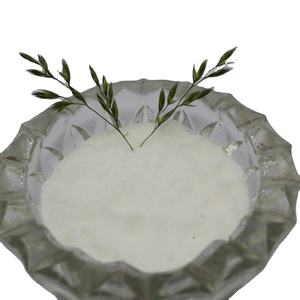
Ọja parameters
Apejuwe
Introduction to Hydroxypropyl Methyl Cellulose HPMC HEC CMC HEC Hydroxyethyl Cellulose Powder for Mortar
Hydroxypropyl Methylcellulose (HPMC), ti orukọ Kannada jẹ hydroxypropyl methylcellulose, jẹ ologbele-sintetiki, ether cellulose ti kii-ionic ti a gba nipasẹ kemikali ti o yipada cellulose adayeba. Lulú funfun yii le ṣẹda ojutu viscous ti o han gbangba lẹhin tituka ninu omi. O ni o ni o tayọ thickening, idaduro omi, iduroṣinṣin ati awọn ohun-ini iṣelọpọ fiimu. O jẹ aropọ multifunctional ti ko ṣe pataki ni ọpọlọpọ awọn aaye bii ikole.
Characteristics and advantages of Hydroxypropyl Methyl Cellulose HPMC HEC CMC HEC Hydroxyethyl Cellulose Powder for Mortar
O tayọ omi solubility: O le yarayara ni tituka ni omi tutu lati ṣe agbekalẹ ojutu ti o han gbangba ati iduroṣinṣin.
Ipọnra daradara ati agbara idaduro omi: Mu iki ti ohun elo naa pọ si, fe ni din omi evaporation, ati ilọsiwaju iṣẹ ṣiṣe.
Iduroṣinṣin to dara: O ni iduroṣinṣin to dara si awọn acids, alkalis, ati iyọ, ati pe o dara fun ọpọlọpọ awọn iye pH.
Ṣiṣe fiimu ati awọn ipa aabo: Lẹhin gbigbe, o ṣe fiimu ti o nira ati ti o han gbangba lati daabobo sobusitireti ati dena ilaluja omi ati evaporation.
Non-majele ti ati ti kii-irritating: O ni ibamu biocompatibility ti o dara ati pe o dara fun awọn aaye oogun ati ounjẹ.
Atunṣe: Nipa yiyipada iwọn aropo ati iwuwo molikula, iṣẹ rẹ le ṣe atunṣe lati pade awọn ibeere ohun elo oriṣiriṣi.

Specifications of Hydroxypropyl Methyl Cellulose HPMC HEC CMC HEC Hydroxyethyl Cellulose Powder for Mortar
Awọn Apejuwe Nkan: Cellulose Ether Powders for Mortar Applications
Hydroxypropyl Methyl Cellulose (HPMC)
Wo: Funfun to alagara free-ṣàn lulú
Igi iki (2% aṣayan, 20 ° C): 4,000– 100,000 mPa · s.Mimo: ≥ 99%.
Ohun elo tutu: ≤ 5%.
pH (2% iṣẹ): 6.0– 8.0.
HPMC igbelaruge workability, idaduro omi, and bond in cement-based mortars. It avoids sagging on vertical surface areas and sustains regular curing.
Hydroxyethyl Cellulose (HEC)
Ifarahan: White granular or powdered strong.
Sisanra (2% aṣayan, 25 ° C): 3,000– 80,000 mPa · s.Mimo: ≥ 98.5%.
Ohun elo tutu: ≤ 6%.
pH (2% iṣẹ): 6.5– 8.5.
HEC uses strong enlarging power and excellent compatibility with other additives. It enhances open time and lowers product waste during application.
Carboxymethyl Cellulose (CMC)
Wo: White to light yellow powder.
Igi iki (1% aṣayan, 25 ° C): 200– 2,000 mPa · s.
Degree of replacement: 0.6– 1.2.
Ohun elo ọririn: ≤ 10%.
pH (1% ojutu): 6.5– 8.5.
CMC enhances water retention and boosts the homogeneity of mortar blends. It also assists control dust and decrease partition.
All products are non-ionic (HPMC, HEC) or anionic (CMC) cellulose ethers. They dissolve conveniently in cold water without clumping when appropriately spread. These powders are steady under typical storage problems and do not support microbial growth. Utilize them at normal does of 0.1%– 0.5% by weight of overall dry solids in mortar formulations. Tọju ni ohun oniyi, completely dry place far from straight sunlight and dampness. Keep containers sealed when not being used to preserve efficiency top quality.

Applications of Hydroxypropyl Methyl Cellulose HPMC HEC CMC HEC Hydroxyethyl Cellulose Powder for Mortar
Applications of Cellulose Ethers in Mortar
Why Include Cellulose Ethers to Mortar?
Builders blend hydroxypropyl methyl cellulose (HPMC), hydroxyethyl cellulose (HEC), ati carboxymethyl cellulose (CMC) into mortar for better efficiency. These powders are water-soluble and enhance how mortar acts during mixing, ohun elo, ati gbigbe.
Idaduro omi is one crucial advantage. HPMC, HEC, and CMC help mortar hold water longer. This offers concrete more time to moisturize completely. Stronger bonds form therefore. Laisi idaduro omi to peye, the surface dries out as well quickly. Splits may appear, and attachment suffers.
These ingredients likewise boost workability. Mortar ends up being smoother and much easier to spread. Shoveling takes less initiative. Workers can shape and end up surface areas with higher control. The mix remains attire without dividing.
Another crucial duty is anti-sag performance. When put on vertical wall surfaces or ceilings, mortar must remain in area. HPMC and HEC rise thickness just enough to prevent slumping. Floor tiles or renders won’t move down prior to setting.
Ṣii soke akoko enhances also. Open up time means the length of time employees can readjust materials after positioning. With HPMC or CMC, installers obtain extra mins to reposition tiles or smooth joints. This lowers waste and rework.
Gbogbo 3 cellulose ethers function as thickeners ati stabilizers. They keep sand, simenti, and other active ingredients equally put on hold. This avoids clumping or bleeding water externally.
Different jobs require various solutions. HPMC is most common in floor tile adhesives and provides. HEC works well in gypsum-based mortars. CMC fits low-cost applications where high water retention isn’t crucial.
Using the best type and amount makes sure consistent results. Inadequate gives no benefit. Excessive might postpone setting or deteriorate stamina. Always adhere to manufacturer standards for ideal results.
Ifihan ile ibi ise
A jẹ oludari agbaye ni nja iwuwo fẹẹrẹ ati awọn solusan foomu ti ilọsiwaju. Ti a mọ ni agbaye fun ifaramo rẹ si iwadii, imotuntun, ati ki o loo ĭrìrĭ, a ti n pese awọn solusan foomu ti a ṣe atunṣe lati ibẹrẹ 2012's.
A le pese admixture nja to gaju ati awọn ọja ti o ni ibatan foomu ni gbogbo agbaye.
Ile-iṣẹ naa ni ẹka imọ-ẹrọ ọjọgbọn ati ẹka abojuto didara, yàrá ti o ni ipese daradara, ati ipese pẹlu to ti ni ilọsiwaju igbeyewo ẹrọ ati lẹhin-tita onibara iṣẹ aarin.
Ti o ba nife, jọwọ lero free ati ki o kan si wa.
Isanwo
T/T, Western Union, Paypal, Kaadi Kirẹditi ati bẹbẹ lọ.
Gbigbe
Nipa afẹfẹ, nipa okun, nipa kiakia, bi awọn onibara beere.

5 FAQs of Hydroxypropyl Methyl Cellulose HPMC HEC CMC HEC Hydroxyethyl Cellulose Powder for Mortar
Frequently Asked Questions About Cellulose Ether Powders for Mortar
Kini HPMC ati idi ti a fi lo ninu amọ?
HPMC duro fun Hydroxypropyl Methyl Cellulose. It is a white powder added to mortar mixes. O ṣe iranlọwọ lati tọju omi ninu apopọ to gun. Eyi n fun simenti ni akoko diẹ sii lati ṣe lile daradara. It also makes the mortar smoother and easier to spread.
How does HEC improve mortar performance?
HEC, or Hydroxyethyl Cellulose, works as a thickener and water retainer. It stops water from soaking too fast into bricks or blocks. This keeps the mortar workable for longer. It also reduces sag when applied on vertical surfaces.
What role does CMC play in construction mortars?
CMC (Carboxymethyl Cellulose) boosts water retention and adhesion. It helps bind sand and cement together better. Eyi nyorisi si okun sii, more uniform mortar. CMC also improves slip resistance during tiling.
Can these powders be mixed together in one mortar formula?
Bẹẹni, but carefully. Each powder has its own function. Mixing them may give extra benefits like better workability or longer open time. Sibẹsibẹ, too much can weaken the final strength. Nigbagbogbo tẹle awọn itọnisọna olupese fun iwọn lilo.
How much cellulose ether should I add to my mortar mix?
The amount depends on the type of mortar and job conditions. Nigbagbogbo, 0.1% si 0.4% by weight of total dry ingredients is enough. Bẹrẹ pẹlu ipele idanwo kekere kan. Adjust based on how the mix feels and performs. Adding too much may cause air bubbles or slow drying.
BERE ORO
Awọn ọja ti o jọmọ

Ipese Ise Hydroxypropyl Methyl Cellulose HPMC 9004 65 3
Hot high quality factory Hydroxypropyl Methyl Cellulose HPMC for Mortar Dry Mix

Hydroxypropyl Methyl Cellulose Hpmc Fun Awọn afikun Amọ
ZHENYIBIO Best Supply Industry Grade Chemical Hydroxypropyl Methyl Cellulose HPMC Powder

BRD Hydroxypropyl Methyl Cellulose HPMC Ether for Cement Based Tile Mortars
