Gaan nga Concrete Additives | High-Performance Foaming Agents para sa Cellular Concrete

MGA PARAMETER SA PRODUKTO
Deskripsyon
Introduction to Construction Chemical Hydroxypropyl Methyl Cellulose HPMC for Ceramic Tile Adhesive
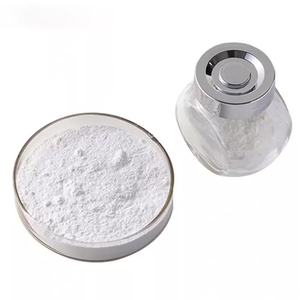
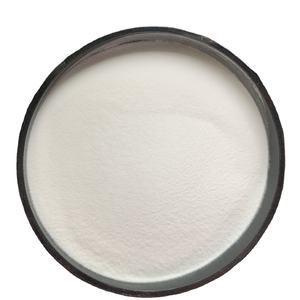
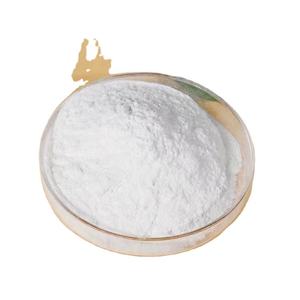
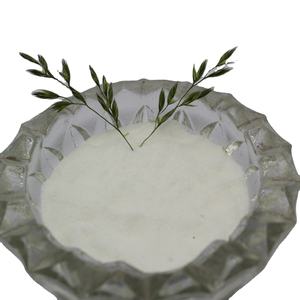
Hydroxypropyl Methylcellulose (HPMC), kansang Chinese nga ngalan mao ang hydroxypropyl methylcellulose, usa ka semi-synthetic, non-ionic cellulose ether nga nakuha pinaagi sa chemically modifying natural cellulose. Kini nga puti nga pulbos mahimo nga usa ka transparent viscous nga solusyon human matunaw sa tubig. Kini adunay maayo kaayo nga thickening, paghawid sa tubig, kalig-on ug mga kabtangan sa paghimo sa pelikula. Kini usa ka kinahanglanon nga multifunctional additive sa daghang mga natad sama sa pagtukod.
Characteristics and advantages of Construction Chemical Hydroxypropyl Methyl Cellulose HPMC for Ceramic Tile Adhesive
Maayo kaayo nga solubility sa tubig: Kini dali nga matunaw sa bugnaw nga tubig aron maporma ang usa ka tin-aw ug lig-on nga solusyon.
Episyente nga pagpalapot ug abilidad sa pagpadayon sa tubig: Dugangi ang viscosity sa materyal, epektibo nga pagpakunhod sa tubig evaporation, ug pagpalambo sa kaepektibo sa trabaho.
Maayong kalig-on: Kini adunay maayo nga kalig-on sa mga asido, alkalis, ug mga asin, ug angay alang sa usa ka halapad nga mga kantidad sa pH.
Pagporma sa pelikula ug mga epekto sa pagpanalipod: Human sa pagpauga, kini nag-umol sa usa ka gahi ug transparent nga pelikula sa pagpanalipod sa substrate ug pagpugong sa tubig penetration ug evaporation.
Non-toxic ug non-irritating: Kini adunay maayo nga biocompatibility ug angay alang sa natad sa medisina ug pagkaon.
Pagpasibo: Pinaagi sa pagbag-o sa lebel sa pagpuli ug gibug-aton sa molekula, ang pasundayag niini mahimong ipasibo aron matubag ang lainlaing mga kinahanglanon sa aplikasyon.

Specifications of Construction Chemical Hydroxypropyl Methyl Cellulose HPMC for Ceramic Tile Adhesive
Specifications of Construction Chemical Hydroxypropyl Methyl Cellulose (HPMC) for Ceramic Floor Tile Adhesive
Secret Physical and Chemical Properties
Tan-awa: Puti ngadto sa beige free-flowing powder.
Gidak-on sa partikulo: 99% travels through an 80-mesh screen.
Degree sa pagpuli (DS): 1.2– 2.0.
Methoxy nga materyal: 19%– 30%.
Hydroxypropoxy nga sulud sa web: 4%– 12%.
Performance Characteristics in Ceramic Tile Adhesives
Pagpabilin sa tubig: ≥ 95% at standard test conditions. This ensures appropriate cement hydration and strong bond growth.
Pagkalapot (2% kapilian, 20 ° C): Offered in qualities from 4,000 mPa · sa 100,000 mPa · s. Higher thickness enhances workability and droop resistance.
bili sa pH (2% solusyon): 6.0– 8.0. Neutral pH sustains compatibility with various other adhesive parts.
Abo nga sulod sa web: ≤ 5%. Low ash web content suggests high pureness and constant performance.
Dampness nga materyal: ≤ 5%. Regulated moisture protects against clumping and prolongs service life.
Functional Benefits
Kaarang sa pagtrabaho: HPMC enhances the smoothness and spreadability of tile adhesive. Employees can apply it easily without additional effort.
Open up time: Extends useful time after application, permitting modifications throughout tile placement.
Sag resistance: Keeps ceramic tiles in place on upright surface areas without sliding.
Bond toughness: Sustains solid bond between tile and substratum by keeping optimum water levels during curing.
Pagdumala ug Pagtipig
Shop HPMC in an amazing, completely dry place away from straight sunshine and moisture. Hupti nga selyado ang mga sudlanan kung dili gamiton. Usage within year of production day for best outcomes. Avoid call with oxidizing representatives or solid acids. Handle with typical industrial health methods– put on handwear covers and shatterproof glass if required.

Applications of Construction Chemical Hydroxypropyl Methyl Cellulose HPMC for Ceramic Tile Adhesive
Why HPMC Issues in Ceramic Floor Tile Adhesive
Better Workability and Easy Application
Hydroxypropyl Methyl Cellulose (HPMC) makes tile adhesive simpler to mix and spread out. Employees can use it efficiently without it drying also quickly. This provides more time to place ceramic tiles appropriately. The paste remains soft and workable, even in hot or dry climate.
Stronger Bond That Lasts
HPMC helps the glue stick well to both the wall surface and the ceramic tile. It keeps water inside the mix much longer, which lets cement moisten completely. Full hydration indicates a more powerful bond gradually. Tiles stay firmly in position, with much less risk of diminishing later.
No Droop on Upright Surfaces
When tiling wall surfaces, the glue should hold heavy tiles without moving down. HPMC includes just adequate thickness so the mix stays where it’s placed. Kini “anti-sag” impact conserves time and reduces waste from rework.
Attire Combining and Consistent Outcomes
HPMC liquifies equally in water. This avoids lumps and guarantees every set of adhesive executes the very same. Specialists get dependable results work after work, without surprises.
Functions Well in Various Conditions
Whether it’s summertime heat or wintertime chill, HPMC aids the sticky execute progressively. It gets used to temperature level adjustments and still delivers great open time, bugkos, ug workability. This versatility is crucial for real-world jobsites.
Fewer Splits, Better End Up
Since HPMC controls water release, the sticky cures gradually and uniformly. This reduces the chance of splits developing as it dries out. A crack-free base implies a cleaner look and longer-lasting tile installment.
Using premium HPMC in ceramic tile glue gives builders self-confidence. Every action– from blending to completing– becomes smoother, faster, and extra trustworthy.
Profile sa Kompanya
Kami ang global nga lider sa lightweight nga kongkreto ug advanced engineered foam nga mga solusyon. Nailhan sa tibuok kalibutan tungod sa pasalig niini sa panukiduki, kabag-ohan, ug gigamit nga kahanas, Naghatag kami og engineered foam nga mga solusyon sukad sa sayong bahin sa 2012.
Makahatag kami og taas nga kalidad nga konkretong admixture ug foam concrete related nga mga produkto sa tibuok kalibutan.
Ang kompanya adunay usa ka propesyonal nga departamento sa teknikal ug departamento sa pagdumala sa kalidad, usa ka laboratoryo nga nasangkapan pag-ayo, ug nasangkapan sa advanced testing equipment ug after-sales customer service center.
Kung interesado ka, palihug mobati nga gawasnon ug kontaka kami.
Bayad
T/T, Western Union, Paypal, Credit Card ug uban pa.
Pagpadala
Pinaagi sa hangin, pinaagi sa dagat, pinaagi sa express, ingon sa gihangyo sa mga kustomer.
5 FAQs of Construction Chemical Hydroxypropyl Methyl Cellulose HPMC for Ceramic Tile Adhesive
Frequently Asked Questions About HPMC in Ceramic Tile Adhesive
What is HPMC and why is it used in tile adhesive?
Ang HPMC mao ang Hydroxypropyl Methyl Cellulose. Kini usa ka puti nga pulbos nga hinimo gikan sa natural nga selulusa. Builders add it to ceramic tile adhesive to improve workability. Nakatabang kini sa pagsagol nga magpabilin nga hapsay, stick better, and hold water longer. This gives workers more time to place tiles correctly.
How does HPMC affect the open time of tile adhesive?
Open time means how long the adhesive stays usable after spreading. Gipahinay sa HPMC ang pagkawala sa tubig gikan sa sagol. This keeps the adhesive wet and sticky for longer. Ingon sa usa ka resulta, installers can adjust tile positions without rushing. Good open time reduces mistakes and rework.
Does HPMC improve adhesion strength?
Oo, but indirectly. HPMC itself is not a glue. It helps other ingredients bond better by keeping the mix uniform and moist. A consistent mix means stronger contact between the tile and the wall or floor. Sa paglabay sa panahon, this leads to better overall adhesion.
Can too much HPMC cause problems?
Oo. Adding too much HPMC makes the adhesive too thick or sticky. This can trap air bubbles and weaken the bond. It may also slow drying too much, delaying the next steps of the job. Always follow the manufacturer’s recommended dosage.
Ang HPMC ba luwas alang sa sulod nga paggamit?
HPMC is non-toxic and widely approved for construction products. Dili kini magpagawas ug makadaot nga aso sa panahon sa pagsagol o pag-ayo. Sa higayon nga gibutang, it remains inert inside the adhesive layer. This makes it safe for homes, mga eskwelahan, ug mga opisina. Always store it in a dry place away from moisture.
PANGAYO UG KUTIL
KAUGNAY NGA MGA PRODUKTO
Hot high quality factory Hydroxypropyl Methyl Cellulose HPMC for Mortar Dry Mix
factory direct s Hpmc 200000 High quality high purity Hpmc for building tile bonding tile adhesive
Cellulose Ether Hydroxypropyl Methyl Cellulose HPMC Gigamit alang sa Facades Tile Adhesives
High Quality Hydroxypropyl Methyl Cellulose HPMC for Concrete Additives

Hydroxypropyl Methyl Cellulose HPMC Cement Plaster Waterproof Membrane for Construction