


Lejè aditif konkrè | Ajan kimen wo-pèfòmans pou konkrè selilè

PARAMÈT PWODWI
Deskripsyon
Introduction to Construction Chemical Hydroxypropyl Methyl Cellulose HPMC for Ceramic Tile Adhesive
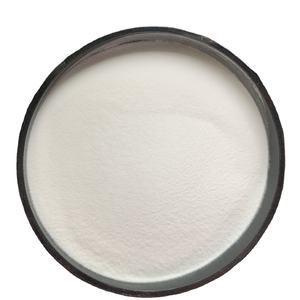
Hydroxypropyl Methylcellulose (HPMC), ki gen non Chinwa se hydroxypropyl methylcellulose, se yon semi-sentetik, etè seluloz ki pa iyonik ki te jwenn nan modifye chimik seluloz natirèl. Poud blan sa a ka fòme yon solisyon gluan transparan apre li fin fonn nan dlo. Li gen ekselan epesman, retansyon dlo, estabilite ak pwopriyete fim-fòme. Li se yon aditif multifonksyonèl endispansab nan anpil jaden tankou konstriksyon.
Characteristics and advantages of Construction Chemical Hydroxypropyl Methyl Cellulose HPMC for Ceramic Tile Adhesive
Ekselan solubilite dlo: Li ka byen vit fonn nan dlo frèt pou fòme yon solisyon klè ak ki estab.
Epesman efikas ak kapasite retansyon dlo: Ogmante viskozite materyèl la, efektivman redwi evaporasyon dlo, ak amelyore efikasite travay.
Bon estabilite: Li gen bon estabilite nan asid, alkali, ak sèl, epi li apwopriye pou yon pakèt valè pH.
Efè fim-fòme ak pwoteksyon: Apre siye, li fòme yon fim difisil ak transparan pou pwoteje substra a epi anpeche pénétration dlo ak evaporasyon.
Ki pa toksik ak ki pa irite: Li gen bon biocompatibility epi li apwopriye pou jaden medikaman ak manje.
Ajistebilite: Lè w chanje degre sibstitisyon ak pwa molekilè, pèfòmans li yo ka ajiste pou satisfè kondisyon aplikasyon diferan.

Specifications of Construction Chemical Hydroxypropyl Methyl Cellulose HPMC for Ceramic Tile Adhesive
Specifications of Construction Chemical Hydroxypropyl Methyl Cellulose (HPMC) for Ceramic Floor Tile Adhesive
Secret Physical and Chemical Properties
Gade: Blan bèj poud ki koule gratis.
Gwosè patikil: 99% travels through an 80-mesh screen.
Degre sibstitisyon (DS): 1.2– 2.0.
Materyèl metoksid: 19%– 30%.
Kontni entènèt Hydroxypropoxy: 4%– 12%.
Performance Characteristics in Ceramic Tile Adhesives
Retansyon dlo: ≥ 95% at standard test conditions. This ensures appropriate cement hydration and strong bond growth.
Viskozite (2% opsyon, 20 °C): Offered in qualities from 4,000 mPa · s to 100,000 mPa · s. Higher thickness enhances workability and droop resistance.
pH vo (2% solisyon): 6.0– 8.0. Neutral pH sustains compatibility with various other adhesive parts.
Ash kontni entènèt: ≤ 5%. Low ash web content suggests high pureness and constant performance.
Materyèl imidite: ≤ 5%. Regulated moisture protects against clumping and prolongs service life.
Functional Benefits
Travayabilite: HPMC enhances the smoothness and spreadability of tile adhesive. Employees can apply it easily without additional effort.
Open up time: Extends useful time after application, permitting modifications throughout tile placement.
Sag resistance: Keeps ceramic tiles in place on upright surface areas without sliding.
Bond severite: Sustains solid bond between tile and substratum by keeping optimum water levels during curing.
Manyen ak Depo
Achte HPMC nan yon etonan, completely dry place away from straight sunshine and moisture. Kenbe veso yo sele lè yo pa itilize yo. Usage within year of production day for best outcomes. Avoid call with oxidizing representatives or solid acids. Handle with typical industrial health methods– put on handwear covers and shatterproof glass if required.

Applications of Construction Chemical Hydroxypropyl Methyl Cellulose HPMC for Ceramic Tile Adhesive
Why HPMC Issues in Ceramic Floor Tile Adhesive
Better Workability and Easy Application
Hydroxypropyl Methyl Cellulose (HPMC) makes tile adhesive simpler to mix and spread out. Employees can use it efficiently without it drying also quickly. This provides more time to place ceramic tiles appropriately. The paste remains soft and workable, even in hot or dry climate.
Stronger Bond That Lasts
HPMC helps the glue stick well to both the wall surface and the ceramic tile. It keeps water inside the mix much longer, which lets cement moisten completely. Full hydration indicates a more powerful bond gradually. Tiles stay firmly in position, with much less risk of diminishing later.
No Droop on Upright Surfaces
Lè mosaïque sifas miray lavil la, the glue should hold heavy tiles without moving down. HPMC includes just adequate thickness so the mix stays where it’s placed. Sa a “anti-sag” impact conserves time and reduces waste from rework.
Attire Combining and Consistent Outcomes
HPMC liquifies equally in water. This avoids lumps and guarantees every set of adhesive executes the very same. Specialists get dependable results work after work, without surprises.
Functions Well in Various Conditions
Whether it’s summertime heat or wintertime chill, HPMC aids the sticky execute progressively. It gets used to temperature level adjustments and still delivers great open time, kosyon, ak travayabilite. This versatility is crucial for real-world jobsites.
Fewer Splits, Better End Up
Since HPMC controls water release, the sticky cures gradually and uniformly. This reduces the chance of splits developing as it dries out. A crack-free base implies a cleaner look and longer-lasting tile installment.
Using premium HPMC in ceramic tile glue gives builders self-confidence. Every action– from blending to completing– becomes smoother, pi vit, and extra trustworthy.
Konpayi Profile
Nou se lidè mondyal nan konkrè ki lejè ak solisyon avanse kim enjenieri. Li te ye globalman pou angajman li nan rechèch, inovasyon, ak ekspètiz aplike, nou te bay solisyon kim enjenyè depi kòmansman ane 2012 la.
Nou ka bay bon jan kalite melanj konkrè ak pwodwi ki gen rapò ak konkrè kim nan tout mond lan.
Konpayi an gen yon depatman teknik pwofesyonèl ak depatman sipèvizyon kalite, yon laboratwa byen ekipe, ak ekipe ak ekipman tès avanse ak sant sèvis kliyan apre-lavant.
Si w enterese, tanpri ou lib epi kontakte nou.
Peman
T/T, Western Union, Paypal, Kat kredi elatriye.
chajman
Pa lè, pa lanmè, pa eksprime, jan kliyan mande.
5 FAQs of Construction Chemical Hydroxypropyl Methyl Cellulose HPMC for Ceramic Tile Adhesive
Frequently Asked Questions About HPMC in Ceramic Tile Adhesive
Ki sa ki HPMC ak poukisa li itilize nan adezif mozayik?
HPMC la vle di Hydroxypropyl Methyl Cellulose. Li se yon poud blan ki fèt ak seluloz natirèl. Builders add it to ceramic tile adhesive to improve workability. It helps the mix stay smooth, stick better, and hold water longer. Sa a bay travayè yo plis tan pou yo mete mozayik kòrèkteman.
How does HPMC affect the open time of tile adhesive?
Open time means how long the adhesive stays usable after spreading. HPMC ralanti pèt dlo nan melanj lan. This keeps the adhesive wet and sticky for longer. Kòm yon rezilta, installers can adjust tile positions without rushing. Good open time reduces mistakes and rework.
Does HPMC improve adhesion strength?
Wi, but indirectly. HPMC itself is not a glue. It helps other ingredients bond better by keeping the mix uniform and moist. A consistent mix means stronger contact between the tile and the wall or floor. Apre yon tan, this leads to better overall adhesion.
Can too much HPMC cause problems?
Wi. Adding too much HPMC makes the adhesive too thick or sticky. This can trap air bubbles and weaken the bond. It may also slow drying too much, delaying the next steps of the job. Always follow the manufacturer’s recommended dosage.
Èske HPMC an sekirite pou itilize andedan kay la?
HPMC is non-toxic and widely approved for construction products. Li pa lage lafimen danjere pandan melanje oswa geri. Once set, it remains inert inside the adhesive layer. Sa fè li an sekirite pou kay yo, lekòl yo, ak biwo yo. Always store it in a dry place away from moisture.
DEMANDE YON PREVO
PWODWI ki gen rapò
Hot ing Industrial Grade Auxiliary Agent Chemic Hydroxypropyl Methyl Cellulose HPMC

Hydroxypropyl Methy Cellulose HPMC te itilize nan miray blòk tap mete

s Dirèk s Siman Mòtye Dlo Retandan Ajan Ralentisman Building Aditif Hydroxypropyl Methyl Cellulose HPMC

Seluloz Etè Hydroxypropyl Methyl Cellulose HPMC Powder s 25kg 100 Sak
Chwa ekolojik-zanmi Ekselan dispèsyon Imidite ki dire lontan HPMC Hydroxypropyl Methylcellulose
