Lehké přísady do betonu | Vysoce výkonné pěnící prostředky pro pórobeton


PARAMETRY PRODUKTU
Popis
Overview of Hydrophilic Type and Hydrophobic Type Nano Silica Aerogel Powder
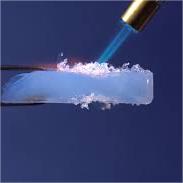
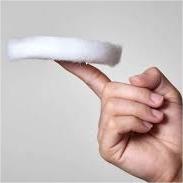
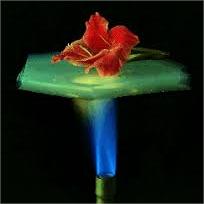
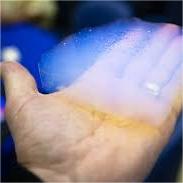
Hydrophilic Type and Hydrophobic Type Nano Silica Aerogel Powder is a synthetic porous ultralight material derived from a gel, ve kterém byla kapalná složka nahrazena plynem. Výsledkem je pevná látka s extrémně nízkou hustotou a nízkou tepelnou vodivostí, často přezdívaný “zmrzlý kouř.” Navzdory svému křehkému vzhledu, může být navržen tak, aby byl pozoruhodně silný, drží titul nejlepšího izolačního pevného materiálu na světě.
Features of Hydrophilic Type and Hydrophobic Type Nano Silica Aerogel Powder
-
Nejnižší tepelná vodivost na světě: Poskytuje bezkonkurenční izolační výkon, mnohem lepší než tradiční materiály.
-
Extrémně nízká hustota: Jeden z nejlehčích pevných materiálů, které člověk zná, se složením až 99.8% vzduch.
-
Vysoká plocha povrchu: Má neuvěřitelně velkou vnitřní plochu, což je cenné pro filtrační a absorpční aplikace.
-
Všestranné složení: Lze vyrobit z různých materiálů, včetně oxidu křemičitého, uhlík, a oxidy kovů, každý s jedinečnými vlastnostmi.
-
Výjimečná pórovitost: Jeho nanoporézní struktura je zodpovědná za jeho vynikající izolační schopnosti.

Aerogelový povlak
Specifications of Hydrophilic Type and Hydrophobic Type Nano Silica Aerogel Powder
Requirements of Hydrophilic and Hydrophobic Nano Silica Aerogel Powder
Hydrophilic Kind
Podívejte: Bílý, volně tekoucí prášek
Hmotnostní tloušťka: 0.03– 0.08 g/cm ČTYŘI
. Zvláštní povrch: 500– 800 m²/g.Pore Size: 10– 25 nm.
Vlhkost Webový obsah: ≤ 5%.
Hodnota pH: 6.0– 7.5.
This kind draws in water easily. It blends well with water-based systems. It is usually utilized in layers, lepidla, and concrete ingredients. The high surface provides solid absorption power. Its low thickness helps reduce overall weight in composite materials.
Hydrofobní druh
Vzhled: White to light gray, volně tekoucí prášek.
Hmotnostní tloušťka: 0.04– 0.10 g/cm PĚT.
Zvláštní povrch: 400– 700 m DVA/g.
Rozměr pórů: 15– 30 nm.
Contact Angle: ≥ 120 °.
Obsah vlhkosti: ≤ 2%.
This kind drives away water. It remains dry even in moist conditions. It works well in oil-based systems or outdoor insulation. The surface area is dealt with to block wetness. This makes it steady over time in wet atmospheres. Its structure keeps thermal performance constant.
Both types are made from pure silica. They have nano-sized pores that catch air. This gives them outstanding thermal insulation. They are light-weight and safe. Each type offers various needs based upon exactly how they connect with water. Choose hydrophilic for water-compatible uses. Select hydrophobic when dampness resistance is required. Handle both powders with conventional dirt control actions. Store in secured containers far from moisture and direct sunlight.
Applications of Hydrophilic Type and Hydrophobic Type Nano Silica Aerogel Powder
Applications of Hydrophilic and Hydrophobic Nano Silica Aerogel Powder
Hydrophilic nano silica aerogel powder absorbs water easily. This attribute makes it beneficial in numerous locations. It works well as a thickening representative in paints, vrstvy, a lepidla. The powder assists control flow and stops sagging on vertical surface areas. V kosmetice, it improves structure and maintains products secure over time. It likewise works as a provider for active ingredients in skincare solutions. V průmyslových zařízeních, this type of aerogel is used in catalysts and filtration systems since it holds moisture without shedding structure.
Where hydrophobic nano silica aerogel powder suits
Hydrophobic nano silica aerogel powder fends off water. That makes it ideal for insulation and defense. Building contractors use it in wall panels, roof materials, and pipeline wraps to cut warmth loss. Because it stands up to moisture, it stays reliable even in wet conditions. Electronic devices manufacturers include it to circuit card and battery packs to block humidity and stop short circuits. In outdoor equipment like coats and tents, the powder boosts thermal performance without adding weight. It additionally discovers usage in oil-spill cleanup– its water-repelling nature lets it absorb oil while neglecting water.
Both kinds share core toughness: ultralehká hmotnost, high surface area, and exceptional thermal resistance. The crucial distinction lies in how they take care of wetness. Select hydrophilic when you need water interaction. Select hydrophobic when you need to maintain water out. Each variation opens doors in areas varying from construction to individual care. Their one-of-a-kind structures allow engineers and formulators resolve problems that typical materials can not manage. Whether blended into liquids or loaded right into solids, these powders supply performance at the nanoscale.
Profil společnosti
Jsme světovým lídrem v oblasti lehkého betonu a pokročilých řešení inženýrské pěny. Celosvětově známý pro svůj závazek k výzkumu, inovace, a aplikované odbornosti, od počátku roku 2012 poskytujeme umělá pěnová řešení.
Jsme schopni dodávat vysoce kvalitní přísady do betonu a výrobky související s pěnovým betonem po celém světě.
Společnost disponuje odborným technickým oddělením a oddělením kontroly kvality, dobře vybavená laboratoř, a vybavené pokročilým testovacím zařízením a poprodejním zákaznickým servisním střediskem.
Pokud máte zájem, neváhejte a kontaktujte nás.
Platba
T/T, Western Union, Paypal, Kreditní karta atd.
Zásilka
Letecky, po moři, expresně, jak zákazníci požadují.
5 FAQs of Hydrophilic Type and Hydrophobic Type Nano Silica Aerogel Powder
Často kladené otázky: Hydrofilní & Hydrophobic Nano Silica Aerogel Powder
What is the main difference between hydrophilic and hydrophobic nano silica aerogel powder?
Hydrofilní aerogel přitahuje vodu. It absorbs moisture from the air easily. Hydrofobní aerogel odpuzuje vodu. It resists moisture and stays dry even in humid conditions.
Which type should I use for insulation in wet environments?
Use hydrophobic nano silica aerogel powder. It keeps its structure and performance when exposed to moisture. Hydrophilic types lose effectiveness if they get wet.
Can hydrophilic aerogel be used indoors?
Ano, it works well indoors where humidity is controlled. It offers excellent thermal insulation and is often used in building materials, nátěry, a kompozity.
How does surface treatment affect performance?
Surface treatment changes how the powder interacts with water. Untreated powder is hydrophilic. Treated powder becomes hydrophobic through chemical modification. This treatment also helps maintain low thermal conductivity in damp settings.
Are both types safe to handle?
Both types are generally safe. They are non-toxic and chemically inert. Stále, wear gloves and a mask when handling fine powders to avoid skin or lung irritation. Store them in sealed containers away from moisture—especially hydrophilic powder.
POŽÁDEJTE O NABÍDKU
SOUVISEJÍCÍ PRODUKTY

Aerogelová termoizolační deka Aerogelová izolační přikrývka s nízkou tepelnou vodivostí Bavlna a fólie
Zásobování 98 procent 99 Procento aerogelového prášku a aerogelového izolačního granulátu

Tepelná izolace Aerogel s uhlíkovými vlákny 10 mm
Vysoce čistý silikonový aerogel Čistý aerogel blokuje konečný tepelně izolační materiál pro letectví a kosmonautiku

5 do 10 mm Přizpůsobitelná tloušťka Těžké potrubí Potrubí pro studený proces Aerogely Vakuový izolační panel