Ngaahi me'a tanaki sima ma'ama'a | Ngaahi fakafofonga Foaming ma'olunga-ngaue ki he sima 'o e selo


NGAAHI PALAMETA 'O E KOLOA
Fakamatala
Overview of Hydrophilic Type and Hydrophobic Type Nano Silica Aerogel Powder
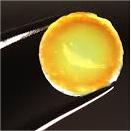
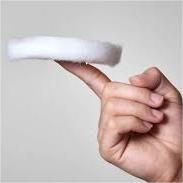
Hydrophilic Type and Hydrophobic Type Nano Silica Aerogel Powder is a synthetic porous ultralight material derived from a gel, 'a ia kuo fetongi 'a e konga 'o e vai 'aki ha kasa .. Ko e ola ko ha me'a fefeka mo e density ma'ulalo 'aupito mo e conductivity mafana ma'ulalo ., faʻa ui fakatenetene “kohu ‘aisi.” Neongo hono fōtunga vaivaí ., ‘e lava ke ‘enisinia‘i ia ke mālohi fakaofo ., ‘oku ne ma’u ‘a e hingoa ‘o e naunau fefeka insulating lelei taha ‘i mamani.
Features of Hydrophilic Type and Hydrophobic Type Nano Silica Aerogel Powder
-
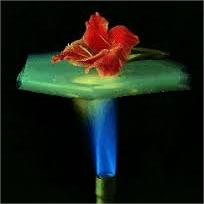
Ko e Mafana Ma’ulalo Taha ‘i Mamani: 'Oku ne 'omi 'a e fakahoko 'o e insulation ta'ehanotatau ., ‘oku mā‘olunga mama‘o ange ia ‘i he ngaahi naunau tukufakaholó ..
-
Density Ma'ulalo 'aupito: Ko e taha ʻo e ngaahi meʻa fefeka maʻamaʻa taha ʻoku ʻiloʻi ʻe he tangatá ., mo ha fa‘u ‘o a‘u ki he 100. 99.8% 'ea.
-
'Elia 'o e Funga Ma'olunga: 'Oku ne ma'u ha 'elia 'o e funga 'o e loto 'oku fu'u lahi 'aupito ., 'o 'ai ke mahu'inga ki he ngaahi polokalama filtration mo e absorption ..
-
Fa'u kehekehe: 'E lava ke ngaohi mei he ngaahi naunau kehekehe ., kau ai 'a e silika, kaponi, mo e ngaahi oxides ukamea ., takitaha mo e ngaahi koloa makehe ..
-
Porosity makehe: 'Oku fatongia'aki 'e hono fokotu'utu'u nanoporous 'a hono ngaahi malava insulating ma'ongo'onga ..

Kofukofu'i 'o e Airgel
Specifications of Hydrophilic Type and Hydrophobic Type Nano Silica Aerogel Powder
Requirements of Hydrophilic and Hydrophobic Nano Silica Aerogel Powder
Hydrophilic Kind
Sio: Hinehina, efuefu tafe tauʻatāina
Matolu 'o e Mass: 0.03– 0.08 g/cm FĀ
. Particular Surface: 500– 800 m 2/ g.Lahi 'o e Pore: 10– 25 nm.
Moisture 'a e kakano 'o e Uepi: ≤ 5%.
Mahu'inga 'o e pH: 6.0– 7.5.
This kind draws in water easily. It blends well with water-based systems. It is usually utilized in layers, ngaahi meʻa fakapipiki, and concrete ingredients. The high surface provides solid absorption power. Its low thickness helps reduce overall weight in composite materials.
Hydrophobic Kind
Fōtunga: White to light gray, efuefu tafe tauʻatāina.
Matolu 'o e Mass: 0.04– 0.10 g/cm NIMA.
Particular Surface: 400– 700 m UA/ g ..
Fakafuofua 'o e Pore: 15– 30 nm.
Contact Angle: ≥ 120 °.
Kanokato 'o e Dampness: ≤ 2%.
This kind drives away water. It remains dry even in moist conditions. It works well in oil-based systems or outdoor insulation. The surface area is dealt with to block wetness. This makes it steady over time in wet atmospheres. Its structure keeps thermal performance constant.
Both types are made from pure silica. They have nano-sized pores that catch air. This gives them outstanding thermal insulation. They are light-weight and safe. Each type offers various needs based upon exactly how they connect with water. Choose hydrophilic for water-compatible uses. Select hydrophobic when dampness resistance is required. Handle both powders with conventional dirt control actions. Store in secured containers far from moisture and direct sunlight.
Applications of Hydrophilic Type and Hydrophobic Type Nano Silica Aerogel Powder
Applications of Hydrophilic and Hydrophobic Nano Silica Aerogel Powder
Hydrophilic nano silica aerogel powder absorbs water easily. This attribute makes it beneficial in numerous locations. It works well as a thickening representative in paints, ngaahi la'i, mo e ngaahi meʻa fakapipiki .. The powder assists control flow and stops sagging on vertical surface areas. 'I he ngaahi me'a teuteu ., it improves structure and maintains products secure over time. It likewise works as a provider for active ingredients in skincare solutions. 'I he ngaahi setups fakangaue'anga, this type of aerogel is used in catalysts and filtration systems since it holds moisture without shedding structure.
Where hydrophobic nano silica aerogel powder suits
Hydrophobic nano silica aerogel powder fends off water. That makes it ideal for insulation and defense. Building contractors use it in wall panels, roof materials, and pipeline wraps to cut warmth loss. Because it stands up to moisture, it stays reliable even in wet conditions. Electronic devices manufacturers include it to circuit card and battery packs to block humidity and stop short circuits. In outdoor equipment like coats and tents, the powder boosts thermal performance without adding weight. It additionally discovers usage in oil-spill cleanup– its water-repelling nature lets it absorb oil while neglecting water.
Both kinds share core toughness: ultra-light weight, 'elia funga ma'olunga, and exceptional thermal resistance. The crucial distinction lies in how they take care of wetness. Select hydrophilic when you need water interaction. Select hydrophobic when you need to maintain water out. Each variation opens doors in areas varying from construction to individual care. Their one-of-a-kind structures allow engineers and formulators resolve problems that typical materials can not manage. Whether blended into liquids or loaded right into solids, these powders supply performance at the nanoscale.
Fakamatala ʻo e Kautaha
Ko kimautolu 'a e taki fakamamani lahi 'i he sima ma'ama'a mo e ngaahi fakalelei'anga foam 'enisinia fakalakalaka .. 'Iloa 'i mamani 'i he'ene tukupa ki he fakatotolo ., fakakaukau fo'ou, mo e taukei faka'aonga'i ., kuo mau 'oatu 'a e ngaahi fakalelei'anga foam 'enisinia talu mei he kamata'anga 'o e 2012’s ..
'E lava ke tau 'oatu 'a e admixture sima tu'unga ma'olunga mo e ngaahi koloa fekau'aki mo e foam sima 'i he mamani kotoa ..
'Oku 'i ai ha potungaue fakatekinikale fakapalofesinale 'a e kautaha mo e potungaue tokanga'i 'o e tu'unga lelei ., ko ha fale fakatotolo fakakemi kuo fakanaunau‘i lelei ., pea fakanaunau'i 'aki 'a e ngaahi me'angaue sivi fakalakalaka mo e senitaa tokoni ki he kasitomaa hili hono fakatau atu ..
Kapau 'oku ke fie'ilo ., kataki 'o ongo'i tau'ataina pea fetu'utaki mai.
Totongi
T/T, ʻIunioni Hihifo, Paypal, Kaati fakamo'ua etc ..
Uta
ʻI he ʻeá, ʻi tahi, 'aki 'a e fakahaa'i, hange ko e kole 'a e kau kasitomaa.
5 FAQs of Hydrophilic Type and Hydrophobic Type Nano Silica Aerogel Powder
Ngaahi Fehuʻi ʻOku Faʻa ʻEke: Hydrophilic & Hydrophobic Nano Silica Aerogel Powder
What is the main difference between hydrophilic and hydrophobic nano silica aerogel powder?
Hydrophilic aerogel attracts water. It absorbs moisture from the air easily. Hydrophobic aerogel repels water. It resists moisture and stays dry even in humid conditions.
Which type should I use for insulation in wet environments?
Use hydrophobic nano silica aerogel powder. It keeps its structure and performance when exposed to moisture. Hydrophilic types lose effectiveness if they get wet.
Can hydrophilic aerogel be used indoors?
ʻIo, it works well indoors where humidity is controlled. It offers excellent thermal insulation and is often used in building materials, ngaahi kofukofu, and composites.
How does surface treatment affect performance?
Surface treatment changes how the powder interacts with water. Untreated powder is hydrophilic. Treated powder becomes hydrophobic through chemical modification. This treatment also helps maintain low thermal conductivity in damp settings.
Are both types safe to handle?
Both types are generally safe. They are non-toxic and chemically inert. Lolotonga, wear gloves and a mask when handling fine powders to avoid skin or lung irritation. Store them in sealed containers away from moisture—especially hydrophilic powder.
KOLE HA QUOTE
NGAAHI KOLOA 'OKU FETU'UTAKI

Lamination 'o e fusi 'e ua 'o e misini 'o e laminating 'o e Nano Airgel ongo'i mo e fio 'o e selami

16kg ki he Mita Kiupiki 32kg 50mm Fale Fiberglass Sio'ata Fiber Sio'ata Fulufulu'isipi Fehangahangai mo e Ngaahi Naunau Mat 'o e 'Aofi Palaniketi Kaponi Airgel

Tu'uaki 'a e koloa fo'ou 'o e palanikete Nano Silica 'o e 'ea 'o e ongo'i 'o e mafana 'o e naunau

Airgel afi-fakafepaki'i 'a e naunau langa 'o e insulation
Ma'ulalo 'a e mafana 'o e 20mm Silica Airgel ongo'i ki he fale 'o e 'inisulasi