


Nā Pākuʻi Paʻa Māmā | Nā ʻĀpana Hoʻohuʻi Kiʻekiʻe no ka Kelepona Kelepona


NA PALAPALA HUA
wehewehe
Nānā nui o 100 Pākēneka Natural Sisal Fiber No nā Papa Gypsum a me ka Paʻa
No ke kū'ē kiʻekiʻe, hāʻawi mākou i nā Fiber Steel, kahi mea hoʻololi kūpono no ka uwea welded mesh ma nā papahele ʻoihana a me nā mea hoʻolei mua. Hāʻawi pū mākou i nā Structural Synthetic Fibers kūikawā e hāʻawi ana i ka ikaika tensile kiʻekiʻe no nā noi noi.. Hoʻopuehu like ʻia kēia mau fiber i loko o ka hui ʻana, ka hoʻokumu ʻana i kahi pūnaewele hoʻoikaika nui i hiki ʻole ke hoʻokō i nā ʻano kuʻuna. Hoʻomaʻamaʻa kēia ʻano hoʻohui i ke kūkulu ʻana, hoʻokē hoʻokomo, a hoʻonui i ka pono holoʻokoʻa a me ka lōʻihi o ka lāʻau, hāʻawi ʻana i kahi pane hou i nā pilikia o ka wā kahiko a me ka lōʻihi.
Nā hiʻohiʻona o 100 Pākēneka Natural Sisal Fiber No nā Papa Gypsum a me ka Paʻa
1. ʻOi aku ka mana o ka māwae a me ka hoʻoikaika ʻana i ka lōʻihi:
ʻO ka hiʻohiʻona nui o kā mākou fibers ko lākou hiki ke hoʻopaʻa i nā micro-cracks ʻelua i hana ʻia i ka wā o ke kūlana plastik a me nā māwae nui aʻe i loko o ke koʻa paʻa.. Hoʻokumu kēia dispersion ʻekolu-dimensional i kahi matrix cohesive ʻoi aku ka pale ʻana i ka hoʻolaha ʻana. ʻO ka pōmaikaʻi pololei, he hōʻemi nui ia i ka ʻāʻī ʻana o ka plastic a me ka laula māwae lōʻihi. Ke alakaʻi nei kēia i ka ʻoi aku ka lōʻihi o ke koʻikoʻi me ka haʻahaʻa haʻahaʻa, ʻo ia ka mea e hoʻonui ai i ke kū'ē i ka wai komo, pōʻino hoʻoheheʻe, a me ka palahu o kekahi kila i hookomoia. ʻO ka hopena he hale me ka lōʻihi o ke ola lawelawe a hoʻemi ʻia nā kumukūʻai mālama.
2. Hoʻonui i ka hopena a me ka pale ʻana i ka abrasion:
Nā pulu, ʻoi aku ke kila a me nā fiber macro synthetic ikaika, hoʻomaikaʻi maikaʻi i ka paʻakikī o ke kaʻa a me ka hana ma hope o ka haki. Lawe lākou a puʻunaue i ka ikehu ma ka hopena a i ʻole ka hoʻouka ʻana. Hāʻawi kēia hiʻohiʻona i ka pōmaikaʻi o kahi ʻili kūpaʻa ʻoi aku ka liʻiliʻi o ka spalling, ʻokiʻoki, a me ka abrasion ma lalo o ke kaʻa nui a i ʻole ka lole mīkini. He waiwai koʻikoʻi kēia no nā papahele ʻoihana, hale kūʻai pavements, a me nā papahana hoʻolālā, e alakaʻi ana i kahi ʻili paʻakikī e mālama i kona kūpaʻa i ka manawa.
3. ʻO ka maikaʻi o ke kūkulu ʻana a me ka mālama kālā:
ʻO kahi hiʻohiʻona nui o ka hoʻohana ʻana i ka fiber reinforcement ʻo ka hoʻopau ʻana i ka uwea welded mesh (WWF) i nā noi he nui. Hāʻawi kēia i nā pōmaikaʻi nui ma ka pūnaewele: maʻalahi ka hoʻokomo, no ka mea, ʻaʻohe mesh e hoʻonohonoho ʻia a hiki ke hoʻoneʻe ʻia, a hoʻokēʻai i ke kaʻina hana holoʻokoʻa. Ma ka wehe ʻana i kahi hana koʻikoʻi, ʻike nā papahana i ka hōʻemi ʻana i nā kumukūʻai hana a me ka wikiwiki o ka manawa papahana. ʻO ka hāʻawi like ʻana o nā fibers e hōʻoiaʻiʻo i ka hoʻoikaika paʻa ʻana ma ka ʻāpana koneki holoʻokoʻa, like ole mesh, hiki ke waiho pono ole ia, alakaʻi i ka hana hilinaʻi a wānana.

Hōʻike o 100 Pākēneka Natural Sisal Fiber No nā Papa Gypsum a me ka Paʻa
100% All-natural Sisal Concrete Fiber– Premium Support for Plaster Boards and Concrete
All-natural Stamina, Trusted Performance
ʻO kā mākou 100% all-natural sisal concrete fiber is made from pure sisal plant fibers. It consists of no artificial additives or chemical treatments. This makes it secure, environment-friendly, and perfect for environment-friendly structure jobs. The fiber mixes efficiently into plaster board blends and concrete puts without clumping or floating.
Why Select Sisal Fiber?
Sisal fibers add real strength to your products. They help reduce splitting throughout drying and curing. In plaster boards, they improve adaptability and impact resistance. Ma ke kaʻa, they manage contraction fractures and boost long-lasting resilience. The fibers bond well with cement and plaster matrices, creating a stronger end product.
Maʻalahi e hoʻohana, Kūlana Kiʻekiʻe mau
This fiber mixes conveniently with conventional equipment. No special tools or procedures are required. Each set satisfies stringent quality standards for length, excellence, and tensile stamina. You obtain uniform efficiency whenever. The natural shade blends into many blends without impacting the last appearance.
Developed for Sustainability
Sisal is a renewable resource expanded without hefty pesticides. Our production process uses marginal water and power. The fiber is totally biodegradable at end of life. Using it supports lasting construction goals and helps earn green structure debts.
Hoʻoikaika ʻenehana
– Mea waiwai : 100% all-natural sisal
– kalakala : Light off-white to fade brown
– Ka lōʻihi : 6– 20 mm (custom sizes readily available).
– Mea pulu : Aia ma lalo 10%.
– pH kū ʻole : Safe for all cementitious systems.
– Hoʻopili ʻia : 10 kg a i ʻole 20 kg mau ʻeke ʻeleʻele.
Nā mea ʻaelike, loea, and manufacturers count on our sisal fiber for trustworthy reinforcement that functions as nature intended– straightforward, ikaika, and tidy.
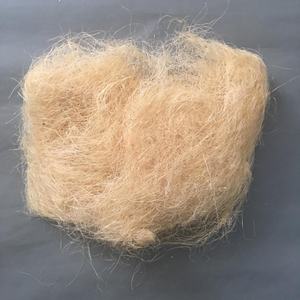
Nā noi o 100 Pākēneka Natural Sisal Fiber No nā Papa Gypsum a me ka Paʻa
Nā noi o 100% All-natural Sisal Concrete Fiber
Stronger Plaster Boards with Natural Support
ʻO ia hoʻi 100% natural sisal fiber to gypsum boards improves their stamina and durability. The fibers bond well with the gypsum matrix, reducing splits throughout handling and setup. Builders see fewer breakages on website, which saves time and cuts waste. Sisal is likewise lightweight, so it does not add added weight to the board. This makes transportation and lifting easier for workers.
Much Better Performance in Concrete Mixes
Sisal fiber works well in concrete also. When blended right into fresh concrete, it helps control shrinking and restrictions hairline splits as the product dries out. This is particularly helpful in slabs, nā ala hele wāwae, a me nā uhi ʻiʻo lahilahi. The fibers act like small assistances inside the mix, waiting with each other under tension. ʻAʻole like me nā koho synthetic, sisal is fully biodegradable and comes from renewable resources. It leaves no harmful deposits and fits eco-friendly structure criteria.
Palekana, Sustainable, a maʻalahi e hoʻohana
This natural fiber includes no chemicals or ingredients. It is secure for workers to handle and presents no health risks throughout blending or cutting. Professionals can use typical tools and approaches– no special equipment is needed. Due to the fact that sisal breaks down naturally with time, it supports round economic climate objectives without compromising performance during the product’s valuable life. Projects using sisal-reinforced materials usually get approved for sustainability certifications.
Trusted Throughout Residential and Light Commercial Jobs
From home improvements to little business builds, sisal fiber has verified trustworthy. It provides simply sufficient reinforcement where high-strength steel or synthetics are unnecessary. Developers choose it when they want a clean, environment-friendly solution that still satisfies basic architectural demands. The result is a finished surface area that looks smooth, holds up well, and straightens with modern ecological values.
ʻO ka moʻolelo o ka hui
ʻO mākou ke alakaʻi o ka honua i nā ʻenehana māmā a me nā hoʻonā ʻenehana i hana ʻia. ʻIke ʻia ma ka honua holoʻokoʻa no kāna kūpaʻa i ka noiʻi, mea hou, a me ka ʻike noiʻi, ke hāʻawi nei mākou i nā hoʻonā ʻenehana i hana ʻia mai ka makahiki 2012.
Hiki iā mākou ke hāʻawi aku i ka hoʻohui ʻana i nā mea hoʻohui kiʻekiʻe kiʻekiʻe a me nā huahana pili i ka foam concrete a puni ka honua.
He keʻena ʻenehana ʻoihana a me ka ʻoihana kiaʻi maikaʻi ka hui, he hale hana i hoolako pono ia, a hoʻolako ʻia me nā lako hoʻāʻo kiʻekiʻe a me ke kikowaena lawelawe mea kūʻai aku ma hope o ke kūʻai aku.
Inā hoihoi ʻoe, e ʻoluʻolu a e hoʻokaʻaʻike mai iā mākou.
Uku
T/T, Hui Komohana, Paypal, Kāleka ʻaiʻē etc.
Hoʻouna
Ma ka lewa, ma ke kai, ma ka hoike, e like me ke noi a nā mea kūʻai aku.

5 FAQ o 100 Pākēneka Natural Sisal Fiber No nā Papa Gypsum a me ka Paʻa
Nīnau pinepine e pili ana 100% Natural Sisal Concrete Fiber
What is sisal fiber used for in construction?
Sisal fiber comes from the agave plant. It is added to gypsum boards and concrete mixes. The fiber helps control cracking and boosts toughness. Builders use it as a natural alternative to synthetic fibers.
Why choose natural sisal over synthetic fibers?
Natural sisal is renewable and biodegradable. It breaks down safely at the end of its life. Synthetic fibers often come from petroleum and do not decompose easily. Sisal also offers good bonding with cement and gypsum, which improves performance without harming the environment.
Does sisal fiber affect the strength of concrete or gypsum?
ʻAe, but in a helpful way. Sisal fibers do not replace structural reinforcement like steel. aka, they act as secondary reinforcement. They reduce shrinkage cracks and increase impact resistance. This makes the final product more durable during handling and everyday use.
Is sisal fiber easy to mix into concrete or gypsum?
ʻAe. The fibers disperse evenly when mixed with standard equipment. ʻAʻole pono nā mea hana kūikawā. Just follow normal mixing procedures. Make sure to add the right amount based on your project’s needs to get the best results.
Can moisture damage sisal fiber in building materials?
Sisal can absorb water, but once locked inside cured concrete or gypsum, it stays protected. The alkaline environment of cement also helps preserve the fiber. For indoor applications like gypsum boards, moisture exposure is low, so durability remains strong over time.
NOI I KA PALAPALA
NA HUAKAI PILI
ʻO ka nui o ka lōʻihi o OEM ʻaʻole i hoʻohana hou ʻia ka fiber sikika Polypropylene

ʻO Fibra De Vidrio Uhpc Paʻa i hoʻoikaika ʻia ʻo E Glass Fiber no ke kūkulu hale

Cracking-Resistance Reinforced 6mm PP Cement Fiber for Concrete Wall
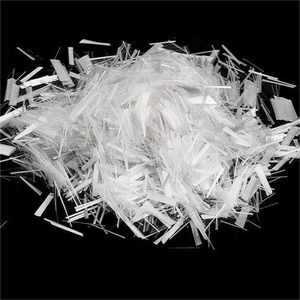
Fiber no ka hoʻoikaika ʻana i ka lāʻau lapaʻau no ke aniani lāʻau lapaʻau.

ʻO ke aniani ʻokiʻoki ʻia nā kaula aniani no ka sima/paʻa/papa gypsum
