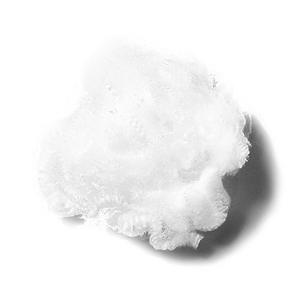
Nā Pākuʻi Paʻa Māmā | Nā ʻĀpana Hoʻohuʻi Kiʻekiʻe no ka Kelepona Kelepona


NA PALAPALA HUA
wehewehe
Overview of Best Concrete Fiber Polypropylene Fiber Wave Fiber for Reinforced Concrete
No ke kū'ē kiʻekiʻe, hāʻawi mākou i nā Fiber Steel, kahi mea hoʻololi kūpono no ka uwea welded mesh ma nā papahele ʻoihana a me nā mea hoʻolei mua. Hāʻawi pū mākou i nā Structural Synthetic Fibers kūikawā e hāʻawi ana i ka ikaika tensile kiʻekiʻe no nā noi noi.. Hoʻopuehu like ʻia kēia mau fiber i loko o ka hui ʻana, ka hoʻokumu ʻana i kahi pūnaewele hoʻoikaika nui i hiki ʻole ke hoʻokō i nā ʻano kuʻuna. Hoʻomaʻamaʻa kēia ʻano hoʻohui i ke kūkulu ʻana, hoʻokē hoʻokomo, a hoʻonui i ka pono holoʻokoʻa a me ka lōʻihi o ka lāʻau, hāʻawi ʻana i kahi pane hou i nā pilikia o ka wā kahiko a me ka lōʻihi.
Features of Best Concrete Fiber Polypropylene Fiber Wave Fiber for Reinforced Concrete
1. ʻOi aku ka mana o ka māwae a me ka hoʻoikaika ʻana i ka lōʻihi:
ʻO ka hiʻohiʻona nui o kā mākou fibers ko lākou hiki ke hoʻopaʻa i nā micro-cracks ʻelua i hana ʻia i ka wā o ke kūlana plastik a me nā māwae nui aʻe i loko o ke koʻa paʻa.. Hoʻokumu kēia dispersion ʻekolu-dimensional i kahi matrix cohesive ʻoi aku ka pale ʻana i ka hoʻolaha ʻana. ʻO ka pōmaikaʻi pololei, he hōʻemi nui ia i ka ʻāʻī ʻana o ka plastic a me ka laula māwae lōʻihi. Ke alakaʻi nei kēia i ka ʻoi aku ka lōʻihi o ke koʻikoʻi me ka haʻahaʻa haʻahaʻa, ʻo ia ka mea e hoʻonui ai i ke kū'ē i ka wai komo, pōʻino hoʻoheheʻe, a me ka palahu o kekahi kila i hookomoia. ʻO ka hopena he hale me ka lōʻihi o ke ola lawelawe a hoʻemi ʻia nā kumukūʻai mālama.
2. Hoʻonui i ka hopena a me ka pale ʻana i ka abrasion:
Nā pulu, ʻoi aku ke kila a me nā fiber macro synthetic ikaika, hoʻomaikaʻi maikaʻi i ka paʻakikī o ke kaʻa a me ka hana ma hope o ka haki. Lawe lākou a puʻunaue i ka ikehu ma ka hopena a i ʻole ka hoʻouka ʻana. Hāʻawi kēia hiʻohiʻona i ka pōmaikaʻi o kahi ʻili kūpaʻa ʻoi aku ka liʻiliʻi o ka spalling, ʻokiʻoki, a me ka abrasion ma lalo o ke kaʻa nui a i ʻole ka lole mīkini. He waiwai koʻikoʻi kēia no nā papahele ʻoihana, hale kūʻai pavements, a me nā papahana hoʻolālā, e alakaʻi ana i kahi ʻili paʻakikī e mālama i kona kūpaʻa i ka manawa.
3. ʻO ka maikaʻi o ke kūkulu ʻana a me ka mālama kālā:
ʻO kahi hiʻohiʻona nui o ka hoʻohana ʻana i ka fiber reinforcement ʻo ka hoʻopau ʻana i ka uwea welded mesh (WWF) i nā noi he nui. Hāʻawi kēia i nā pōmaikaʻi nui ma ka pūnaewele: maʻalahi ka hoʻokomo, no ka mea, ʻaʻohe mesh e hoʻonohonoho ʻia a hiki ke hoʻoneʻe ʻia, a hoʻokēʻai i ke kaʻina hana holoʻokoʻa. Ma ka wehe ʻana i kahi hana koʻikoʻi, ʻike nā papahana i ka hōʻemi ʻana i nā kumukūʻai hana a me ka wikiwiki o ka manawa papahana. ʻO ka hāʻawi like ʻana o nā fibers e hōʻoiaʻiʻo i ka hoʻoikaika paʻa ʻana ma ka ʻāpana koneki holoʻokoʻa, like ole mesh, hiki ke waiho pono ole ia, alakaʻi i ka hana hilinaʻi a wānana.

Specification of Best Concrete Fiber Polypropylene Fiber Wave Fiber for Reinforced Concrete
Spec of Best Concrete Fiber– Polypropylene Wave Fiber for Reinforced Concrete
Nānā Huahana
Polypropylene wave fiber is a high-performance synthetic fiber created usage in concrete and mortar. It aids control splitting, hoʻonui i ka ikaika, and boost longevity. The fiber’s distinct wavy shape gives it solid grasp inside the concrete mix. This quits splits from creating very early and makes the final structure last longer.
Nā hiʻohiʻona huna
– Mea waiwai: 100% polypropylene, immune to alkali and chemicals discovered in concrete
– Nui: ʻO ka maʻamau 6 mm, 12 mm, a i ʻole 19 mm (custom-made dimensions offered).
– Nui: Ma kahi o 18– 32 microns.
– ʻoʻoleʻa paʻa: liʻiliʻi 450 MPa.
– Elongation i ka wā hoʻomaha: Regarding 15– 25%.
– Mea hoohehee: ʻOkoke 165 ° C.
– Shape: Kinky or wavy profile for much better bonding.
Nā Pōmaikaʻi ma nā Hoʻohana Paʻa
When blended right into concrete, these fibers spread uniformly and hold well in the matrix. They reduce plastic shrinking splits that happen while the concrete is still damp. Me ka manawa, they likewise aid restriction fracture width under tension. This brings about much less water infiltration, reduced corrosion threat for steel rebars, and boosted effect resistance.
The fibers function well in several projects– nā papahele, nā paepae, nā mea hana mua, pana pana, and commercial slabs. They are very easy to include during batching. ʻAʻole pono nā mea hana kūikawā. Simply follow conventional blending procedures.
Compliance and Safety and security
This item meets international requirements like ASTM C1116 and EN 14889-2 for artificial fibers in concrete. It consists of no hazardous compounds. It will certainly not rust, popopo, or deteriorate in alkaline settings. Workers can handle it securely with typical safety gear.
Make use of the right dose– maʻamau 0.6 i 1.0 kg no ka mita kubiko o ke koki– for finest outcomes. Always check your mix layout prior to full-scale use.

Applications of Best Concrete Fiber Polypropylene Fiber Wave Fiber for Reinforced Concrete
Applications of Best Concrete Fiber: Polypropylene Wave Fiber for Reinforced Concrete
Why Make Use Of Polypropylene Wave Fiber?
Polypropylene wave fiber is a leading selection for boosting concrete efficiency. It mixes easily into damp concrete and spreads out equally. This helps stop little cracks from forming as the concrete dries and reduces. The wavy shape of the fiber provides it a solid grasp inside the concrete. That means much better toughness and longer life for your structure.
Common Makes Use Of in Building And Construction
Contractors use this fiber in numerous kinds of projects. You will certainly find it in floors, nā ala kaʻa, alahele, and warehouse slabs. It functions well in places where concrete must manage hefty tons or constant website traffic. Contractors likewise include it to precast panels, pā, a me na paipu. Because it stands up to water and chemicals, it’s excellent for basements, tunnels, and water storage tanks.
Advantages Over Typical Reinforcement
ʻAʻole like me ka mesh kila a i ʻole rebar, polypropylene wave fiber does not rust. It cuts down on labor time since you don’t need to place or connect wires. The fiber also lowers surface cracking, which reduces repair service expenses in time. A no hoi, it makes concrete more secure– less possibility of spalling or abrupt damage under stress.
Maʻalahi e hana pū me
Adding the fiber to your mix is easy. Simply surrender throughout batching. ʻAʻole pono nā mea hana kūikawā a i ʻole ke aʻo ʻana. The concrete still puts, degere, and surfaces like regular. You obtain all the included toughness without altering your common process.
This fiber satisfies sector standards for top quality and efficiency. It’s trusted by engineers and professionals worldwide. When you need reputable, cost-effective support, polypropylene wave fiber provides actual results at work website.
ʻO ka moʻolelo o ka hui
ʻO mākou ke alakaʻi o ka honua i nā ʻenehana māmā a me nā hoʻonā ʻenehana i hana ʻia. ʻIke ʻia ma ka honua holoʻokoʻa no kāna kūpaʻa i ka noiʻi, mea hou, a me ka ʻike noiʻi, ke hāʻawi nei mākou i nā hoʻonā ʻenehana i hana ʻia mai ka makahiki 2012.
Hiki iā mākou ke hāʻawi aku i ka hoʻohui ʻana i nā mea hoʻohui kiʻekiʻe kiʻekiʻe a me nā huahana pili i ka foam concrete a puni ka honua.
He keʻena ʻenehana ʻoihana a me ka ʻoihana kiaʻi maikaʻi ka hui, he hale hana i hoolako pono ia, a hoʻolako ʻia me nā lako hoʻāʻo kiʻekiʻe a me ke kikowaena lawelawe mea kūʻai aku ma hope o ke kūʻai aku.
Inā hoihoi ʻoe, e ʻoluʻolu a e hoʻokaʻaʻike mai iā mākou.
Uku
T/T, Hui Komohana, Paypal, Kāleka ʻaiʻē etc.
Hoʻouna
Ma ka lewa, ma ke kai, ma ka hoike, e like me ke noi a nā mea kūʻai aku.
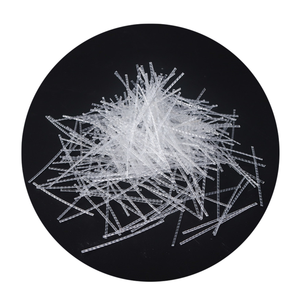
5 FAQs of Best Concrete Fiber Polypropylene Fiber Wave Fiber for Reinforced Concrete
luna 5 FAQs About Polypropylene Wave Fiber for Concrete Reinforcement
What is polypropylene wave fiber?
Polypropylene wave fiber is a synthetic fiber made from polypropylene. It has a wavy shape that helps it bond better with concrete. Hoʻohui ka poʻe kūkulu hale i ka hui ʻana i mea e hoʻomaikaʻi ai i ka ikaika a hōʻemi i ka haki ʻana.
Why use wave fiber instead of straight fiber?
The wavy shape gives the fiber more surface area. This helps it hold onto the concrete better. Ma ka hopena, it controls cracks more effectively than straight fibers. It also spreads more evenly in the mix.
How does this fiber help concrete?
It reduces plastic shrinkage cracks that happen while concrete is still wet. Hoʻonui ia i ka hopena a me ka paʻakikī. Ua holo ʻoi aʻe ka manawa, it helps the concrete last longer under stress or heavy loads.
He mea maʻalahi ke hoʻohui ʻia i loko o ke kaʻa?
ʻAe. Hiki iā ʻoe ke hoʻohui iā ia i ka wā o ka puʻupuʻu maʻamau. The fiber disperses well without clumping. E hahai wale i ke ʻano i ʻōlelo ʻia - ma waena 0.6 i 1.0 kg no ka mita kubiko o ke koki.
Can it replace steel reinforcement?
ʻAʻole. Polypropylene wave fiber is not a substitute for steel rebar or mesh in structural applications. It works best as secondary reinforcement. It handles small cracks and improves durability but does not carry major structural loads.
NOI I KA PALAPALA
NA HUAKAI PILI
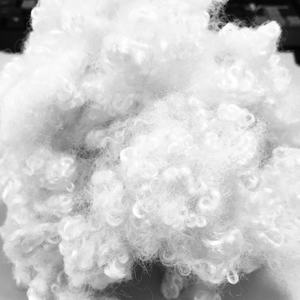
Macro Pp Synthetic Fibers E hana ana i ka Fiber Extruder Machine/Concrete Fibers Production Line
Factory Fiber High Temperature Silicone Coated Glass Fiberglass Fabric

polypropylene fiber PP fiber for foam concrete
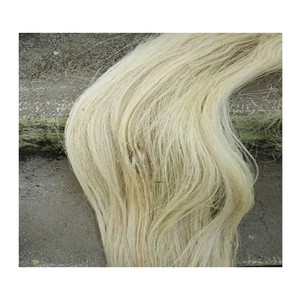
ʻO Cement Polypropylene Reinforcing Concrete Fiber Additive Polypropylene Fiber Synthetic PP Fiber
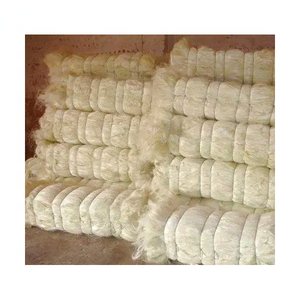
Wood Concrete Fiber Factory Low Organic Fiber Used for Concrete Mortar and Gypsum Products